AUTO
India's SUV Craze Is Creating a Parking Crisis: Builders Redesigning Basements as Cars Get Bigger and Heavier
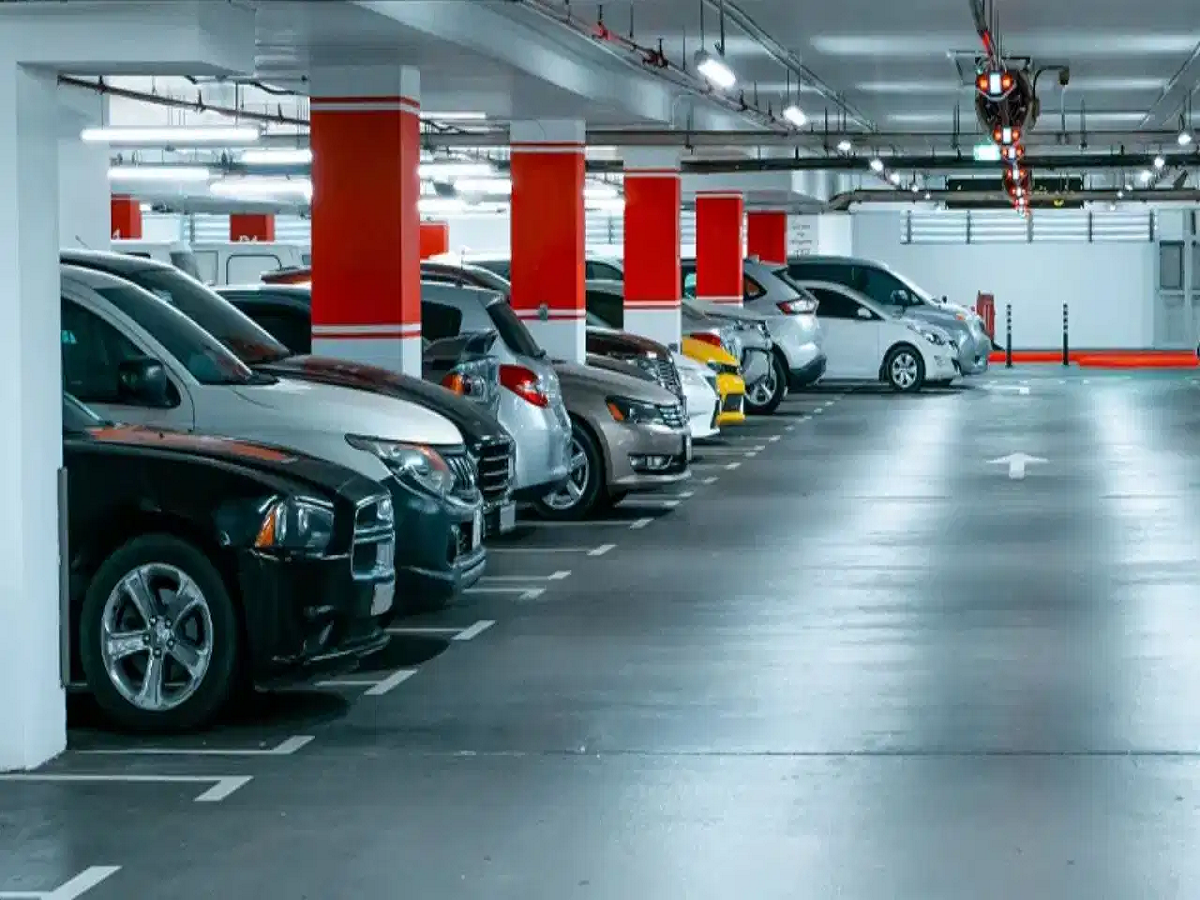
The popularity of large SUVs is rising rapidly in India. More buyers are choosing spacious, taller and more powerful vehicles over traditional hatchbacks and sedans. While this trend has boosted SUV demand, it is also creating new challenges for urban infrastructure, particularly parking spaces.
From residential building basements to mechanical parking systems, existing facilities are increasingly struggling to accommodate larger vehicles. Real estate developers are reconsidering parking designs, while automobile manufacturers are introducing advanced cameras and sensors to help drivers manoeuvre their SUVs through narrow streets and tight parking spaces.
Parking Designs Are Changing With Customer Preferences
Indian car buyers' preferences have changed considerably over the past two decades. Earlier, parking infrastructure was largely designed around smaller vehicles. Around 20 years ago, mechanical parking systems were planned with approximately 30% SUVs and 70% sedans in mind.
Today, the situation has reversed. With SUVs becoming increasingly popular, parking systems are now being designed for a vehicle mix of roughly 80% SUVs and 20% sedans. This shift highlights how changing automobile preferences are influencing the design of residential and commercial buildings.
Mechanical Parking Systems Need Greater Weight Capacity
Larger SUVs are not only wider and taller than many traditional cars but also considerably heavier. The growing number of electric vehicles has added another challenge because some EVs weigh more due to their battery packs.
Earlier, mechanical parking systems commonly had a lifting capacity of around two tonnes. However, manufacturers are increasingly developing stronger systems with capacities of approximately 2.6 tonnes, while some advanced installations can handle vehicles weighing up to 3.2 tonnes.
Parking platforms are also being redesigned to accommodate the greater width, height and weight of modern vehicles. These changes are becoming important for ensuring that mechanical parking facilities can safely handle today's larger cars.
Real Estate Developers Face a Basement Parking Challenge
Accommodating more vehicles within limited space has become a major concern for real estate developers. Large SUVs require wider parking bays and additional clearance for opening doors and manoeuvring.
They also need more turning space, particularly in basement parking areas with narrow ramps and sharp corners. As a result, developers may have to rethink basement layouts and parking arrangements to make them suitable for larger vehicles.
However, providing wider parking spaces can reduce the total number of cars that fit into a building's available parking area, creating another challenge for urban housing projects.
Demand for Advanced Parking Technology Is Increasing
Driving a large SUV through narrow roads, crowded neighbourhoods and compact basement parking areas can be difficult. To make parking easier, automobile manufacturers are increasingly focusing on advanced driver-assistance and parking technologies.
Features such as rear-view cameras, parking sensors and 360-degree camera systems help drivers understand the surroundings of their vehicles and identify obstacles that may not be visible through mirrors.
According to the figures cited in the report, nearly one in two new cars sold this year is expected to feature a rear-view camera. Meanwhile, the share of vehicles measuring 1.8 metres or more in width is projected to reach 32.1% by October 2026, more than double the level recorded in 2019.
The growing popularity of SUVs is therefore changing much more than India's automobile market. It is influencing building architecture, mechanical parking technology and vehicle safety features. As cars continue to become larger, cities and infrastructure developers will need to adapt their parking facilities to keep pace with changing consumer preferences.