LIFESTYLE
Innovative Home Farming: How to Grow Tomatoes and Brinjals on a Single Plant Using Grafting
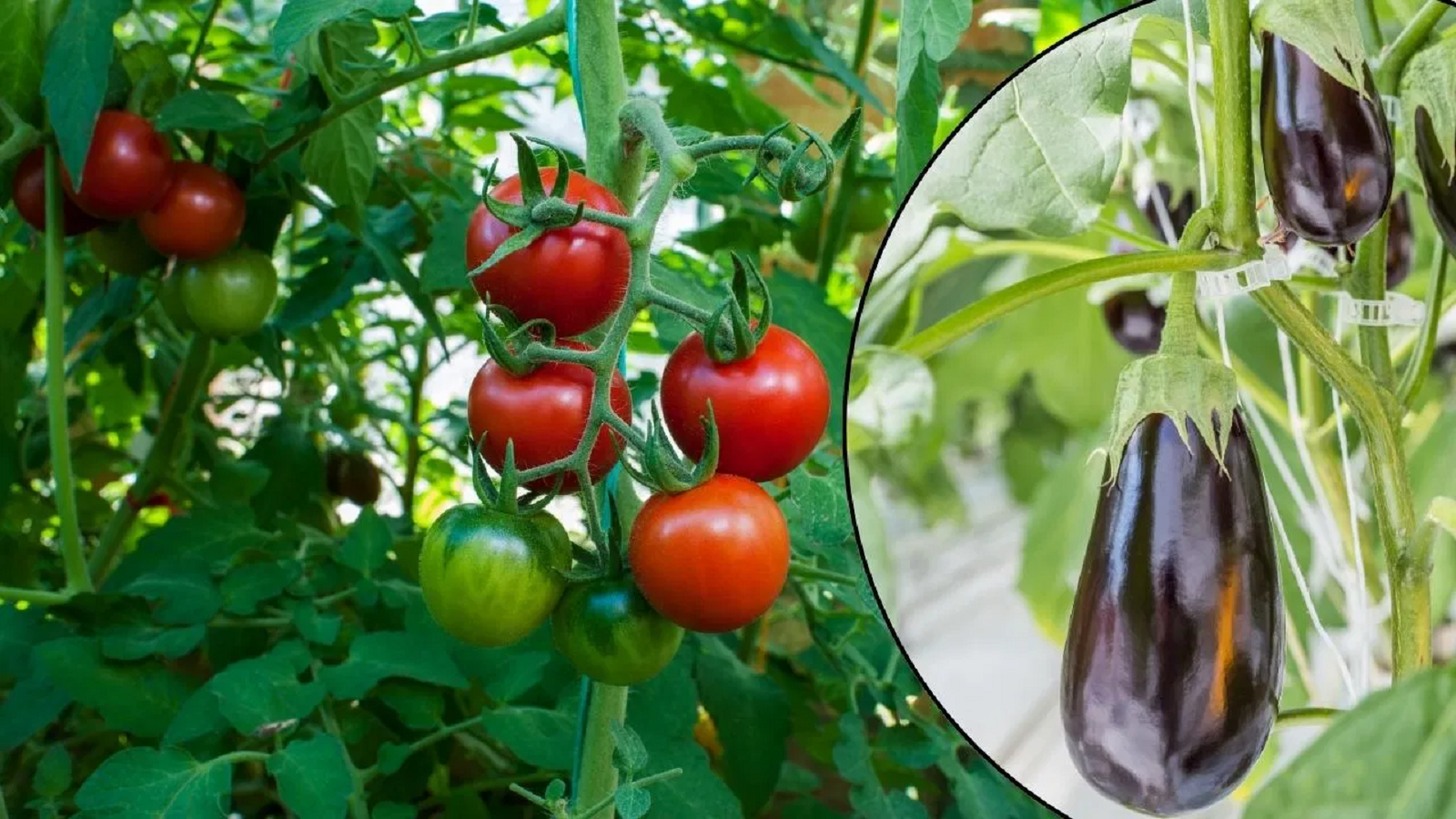
The concept of a single plant bearing fruits or vegetables of two different types may sound like a dream, but thanks to advancements in agricultural science, it's now an achievable reality. Traditionally, grafting involved joining plants of the same species or variety. However, recent experiments have enabled the growth of entirely different vegetables—such as tomatoes and brinjals—on the same plant.
What is Grafting?
Grafting is a horticultural technique where two different plants are joined together. The process involves removing the top layer of one plant's stem (rootstock), making a vertical cut, and inserting a stem cutting (scion) from another plant. The joint is then sealed using tape or similar material. Over time, the scion grows and develops, creating a hybrid plant that bears fruits from both varieties.
There are several grafting techniques, including approach grafting, saddle grafting, side grafting, and spill grafting. The method chosen affects the success and outcome of the graft.
Growing Tomatoes and Brinjals on One Plant: The 'Brimato' Experiment
Scientists at the Indian Institute of Vegetable Research (IIVR), Varanasi, have successfully developed a dual grafted plant called 'Brimato', which produces both tomatoes and brinjals from a single plant. This unique plant was created by grafting tomato scions onto brinjal rootstocks using advanced grafting methods.
According to the Indian Council of Agricultural Research (ICAR), this double cultivation technique can enhance yield, save space, and offer flexibility in care. The grafted plants yield approximately 4-5 kg of tomatoes and 3.5 kg of brinjals per plant within 60 to 70 days from planting—a faster yield compared to traditional methods.
Benefits and Availability
The Brimato plant is especially suitable for urban and home gardening where space is limited, as it promotes vertical farming and efficient use of available land. It also offers resilience and better tolerance to environmental stresses due to the robust root system of the brinjal rootstock.
Following successful trials, scientists are now training farmers and promoting the cultivation of Brimato plants, which are rapidly gaining popularity. This agricultural innovation may transform traditional farming by maximizing productivity and providing diverse crops from a single plant.