TECH
Internet Cheaper Than a Cup of Tea: India Emerges as the World’s Most Affordable Digital Market
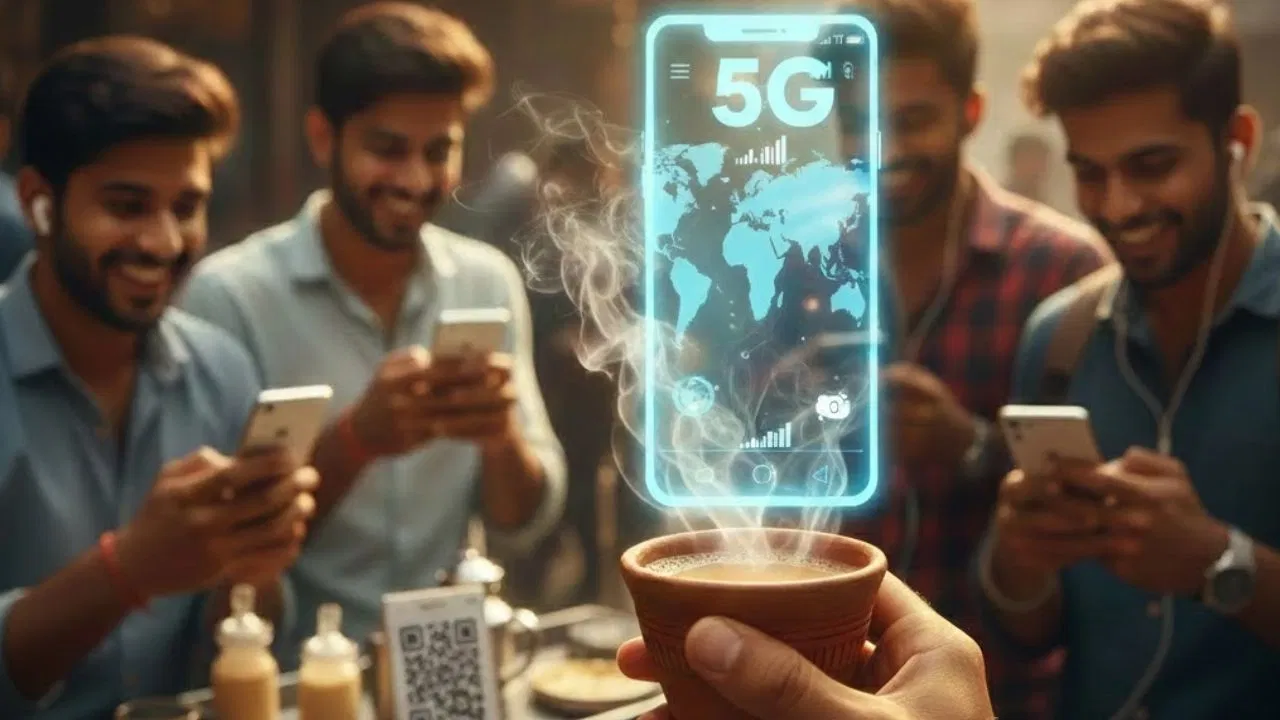
In India, mobile internet is no longer a luxury—it’s a daily necessity. From waking up to the morning alarm to the final scroll at night, a significant part of everyday life relies on the internet. Interestingly, a service that costs consumers hundreds of dollars in other countries is available in India for the price of a cup of tea.
India vs. the World: A Huge Price Difference
Globally, mobile data remains expensive. In the United States, a basic package offering 140 call minutes, 70 SMS, and 2GB of data costs around $48.95 (≈ ₹4,389). In the UK, the same package costs $12.62 (≈ ₹1,131), and in Australia, it’s over $23 (≈ ₹2,068). In stark contrast, the average cost of a similar plan in India is just $1.86 (≈ ₹166), making the country one of the cheapest digital markets globally.
Even compared to neighboring nations, India’s internet is exceptionally affordable. Mobile services in China cost $8.56 (≈ ₹767), in Nepal $2.72 (≈ ₹243), in Bangladesh $2.40 (≈ ₹215), and in Bhutan $4.56 (≈ ₹408). Pakistan’s rates are slightly lower than India’s at $1.43 (≈ ₹143), but India’s massive user base makes the impact of low prices unprecedented. Millions of Indians now enjoy internet access at a fraction of global costs, creating a truly large-scale affordable digital ecosystem.
How Did India Achieve This?
According to the central government, low internet costs are the result of years of consistent policy and regulation. Telecom policies and the regulatory framework set by the Telecom Regulatory Authority of India (TRAI) have allowed competitive pricing while keeping tariffs market-based. With telecom companies free to set prices for calls, data, and validity based on competition, rates have steadily declined, benefiting millions of consumers.
Social and Economic Impact of Cheap Internet
Affordable internet has transformed India socially and economically. In rural areas, online education has expanded dramatically. Small businesses are increasingly adopting digital payments. Startups are developing services for global markets, and content creators from small towns are reaching audiences worldwide. While internet remains a costly monthly expense in many countries, in India it is now an everyday essential.
Beyond the Numbers
Data from the International Telecommunication Union (ITU) confirms India’s low mobile costs. But the story goes deeper: low prices, a large consumer base, and rapid digital adoption have positioned India not just as a massive market, but as a global trendsetter in digital accessibility. With such affordability and reach, India is redefining how the world perceives mobile internet.