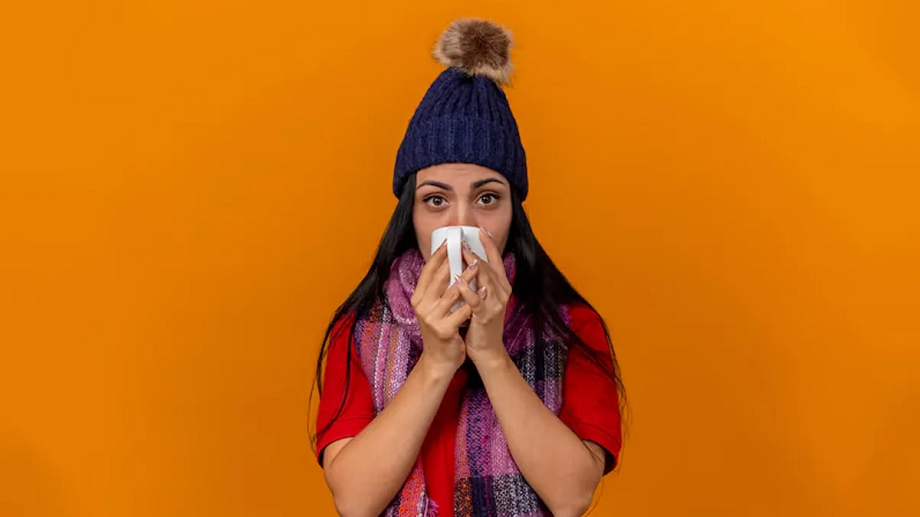
As winter sets in, it brings with it a wave of familiar respiratory illnesses. Coupled with the pollution in many major Indian cities, many complain of suffering from seasonal allergies and flu-like symptoms. Fever, cough, body aches and fatigue become common topics of discussion, but often, people remain confused about what they are actually dealing with. Is it the seasonal flu? Is it COVID-19? Or could it be RSV, which refers to human respiratory syncytial virus?
According to Mr Jeevan Kasara, Chairman of Steris Healthcare, while these infections share overlapping symptoms, paying attention to key differences between them can help people take the right course of action early.
Why Seasonal Respiratory Infections, like Flu, Covid or RSV, Rise in Winter
“Respiratory infections tend to surge during the colder months, and their similar symptoms often make self-diagnosis difficult,” explained Kasara. In winter, most people tend to stay indoors for longer periods, increasing close contact and making it easier for viruses to spread.
Flu, COVID-19 and RSV can all begin with fever, fatigue, cough and body pain. However, the pattern of illness often reveals crucial clues about which one it is.
When do you know it's the Flu?: Sudden Onset and Severe Body Aches
The flu is most commonly known by its rapid and intense onset. Symptoms usually appear suddenly, often within hours. A high fever, chills, strong muscle aches and fatigue are common symptoms.

Many people report feeling fine one day and extremely unwell the next. While flu can affect all age groups, working adults and seniors are particularly vulnerable during peak flu season.
RSV: A Bigger Risk for Infants and Young Children
RSV (Respiratory Syncytial Virus) is most commonly seen in babies and young children, though older adults may also be affected. “One of the clear warning signs of RSV in children is difficulty in breathing, sometimes accompanied by a wheezing sound,” said
Rapid breathing, feeding difficulties or irritability in infants should never be ignored, and one must seek immediate medical attention.
COVID-19: Mild for Some, Distinct for Others
Even though most of us don’t care about COVID the way we did some years ago, COVID-19 continues to remain unpredictable.
“At times, COVID may feel extremely mild, resembling a common cold. At other times, distinctive features such as loss of taste or smell may appear,” Kasara explained. Sore throat, nasal congestion, cough and prolonged weakness are also common.
Identification of what the symptoms entail is crucial for the right course of treatment – especially for children, the elderly and people with chronic conditions such as asthma, diabetes or heart disease.
Prevention is key in remaining healthy through winters, and here are some steps that can potentially help:
- Frequent hand washing
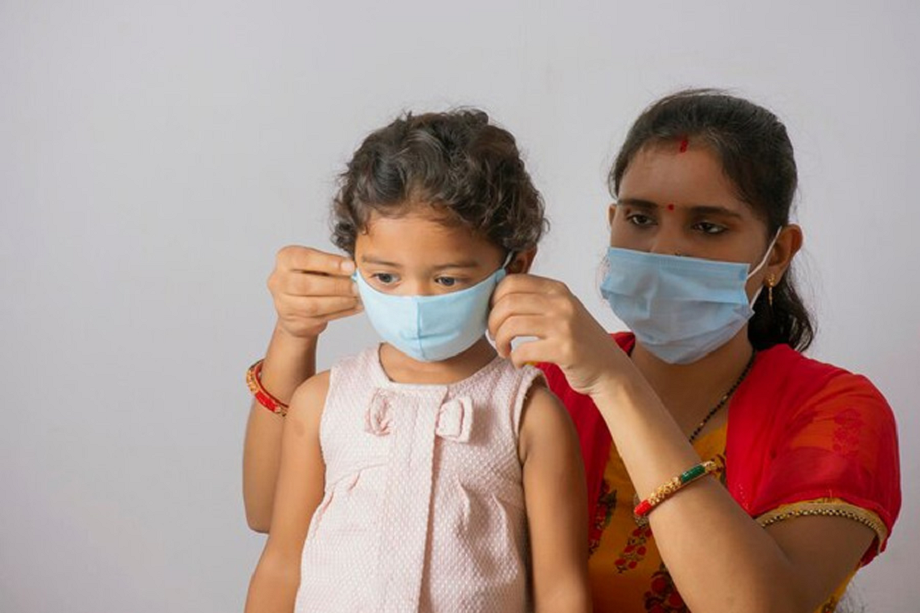
- Wearing masks in crowded or poorly ventilated spaces
- Vaccination where available
- Staying home when unwell helps limit the spread of infection.
What is important is a correct diagnosis and course of treatment, so don’t delay seeing a doctor when necessary.
PC: Herzindagi