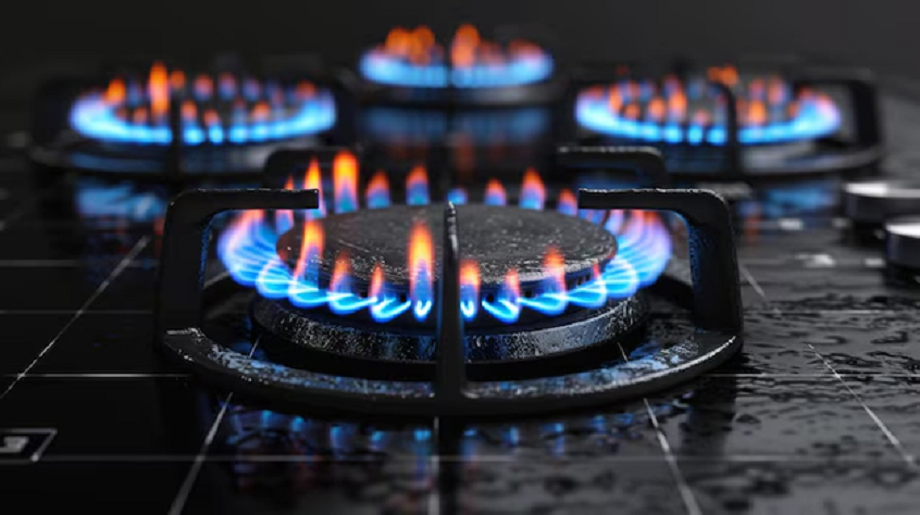
If the gas stove is not cleaned for a long time, it can produce a very slow flame. If you notice this happening, you can fix it using these methods.
Rising gas cylinder prices have taken away people's appetite for a single meal. In such a situation, no one wants gas to be wasted. Even when the flame on a gas stove burner is low, a lot of gas is wasted. This also affects cooking, as food doesn't cook properly. Sometimes, the burner is only half-lit.
Food buildup and improper cleaning can also cause a low flame. However, you can easily fix this at home. In this article, let us tell you some tips you can try to fix your gas stove burners.
1. Check the gas supply first
One reason for a low flame could be that the LPG cylinder is running low on gas. You should check the weight of your cylinder. If the gas level is low, the cylinder will be lighter. This means you may need to replace it within 3-4 days.
Also, be sure to check the regulator. It controls the circulation of gas from the cylinder to the burner. Make sure it is properly connected and working. Sometimes, this can leak gas and prevent proper supply. Replace a faulty regulator immediately.
2. Clean the gas burner
Food stuck on the gas burner can also dim the flame. Therefore, clean the gas stove first . Turn off the regulator on the cylinder.
Wash the burners in warm, soapy water to remove grease and food particles. Use a scrub brush or an old toothbrush to clean the burners, gently scrubbing the burner holes. If you use a steel scrub brush, be careful not to break the fibers and rub them into the holes. Rinse the burners thoroughly with water, dry them, and then use them again.
3. Adjust the air shutter
The air shutter is usually located near the burner where it connects to the gas supply. It controls the amount of air that mixes with the gas. If the flame is too low, the air shutter may be too closed. To do this, you can increase the air flow by opening the air shutter. This will increase the flame and prevent any problems with cooking.
Once adjusted, light the burner and check the flame color. A blue flame indicates proper air-fuel balance. If the flame is yellow or orange, further adjustment may be needed.
4. Check the gas pipe
Many people use elaborate manipulations to connect a long gas pipe to the cylinder or gas stove. Leaving it in place for extended periods can cause the pipe to bend. A bent pipe can also obstruct gas flow, slowing the flame. Be sure to check the pipe for this. The gas pipe must be securely connected to both the burner and the gas cylinder. A loose connection can weaken the flame.
5. Perform a Gas Leak Test
A low flame can sometimes indicate a gas leak. Mix a small amount of dish soap with water and apply it to the connections and pipes. If you see bubbles at the connections or pipes, it indicates a gas leak.
If you detect a leak, turn off the gas supply and tighten the connections. If gas still leaks , have it checked immediately. Change your connections.
6. Clean the burner ports
Burner ports are small holes where gas exits the burner. Use a needle or pin to remove any blockages from these ports. Be careful not to damage the burner. After cleaning, ensure the flame is evenly distributed across the burner.
You can also check your gas burner and fix a low flame using these tricks. We hope you enjoyed this article. Like and share it on Facebook. Stay connected with Harzindagi for more such articles.
Image Credit: Freepik