LIFESTYLE
Itchy Scalp and Increased Hair Fall in Winter? Experts Explain the Hidden Reasons and How to Protect Your Hair
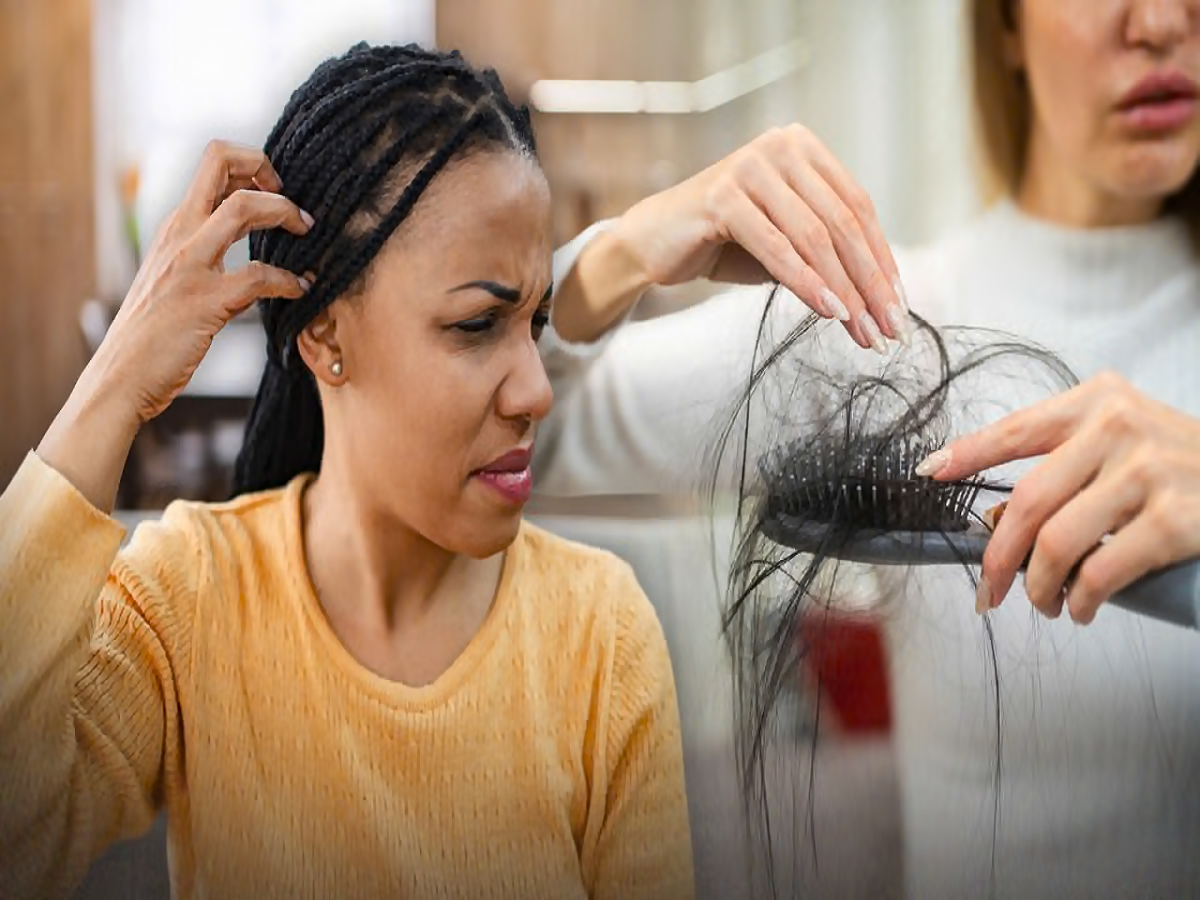
As the weather begins to change, many people experience an increase in scalp itching, dandruff, dryness and hair fall. The arrival of cooler temperatures and changes in humidity can affect scalp health, making hair-care problems more noticeable during autumn and winter.
For some people, the scalp becomes dry and uncomfortable, while others experience greasy flakes, irritation or a burning sensation. Although these symptoms are often associated with dandruff, several other factors, including skin conditions, hair-care products and nutritional deficiencies, may also contribute.
Understanding the underlying cause is essential to choosing the right treatment instead of relying on shampoos and oils alone.
Why Does Scalp Itching Increase When the Weather Changes?
Changes in temperature and humidity can affect the scalp's natural moisture balance. During colder months, dry air and indoor heating may contribute to skin dryness, irritation and itching.
However, dandruff is not simply caused by a lack of moisture. It is commonly associated with a combination of skin sensitivity, oil production and the activity of a yeast called Malassezia, which naturally lives on the scalp.
When these factors interact, they can trigger flaking, redness and persistent itching. Some people experience oily, yellowish flakes, while others develop fine, dry flakes.
Pollution, sweat, oil accumulation and unsuitable hair-care products may aggravate scalp discomfort. Scratching repeatedly can further irritate the skin and sometimes cause minor wounds.
It is important to remember that dandruff does not automatically cause hair loss. However, severe inflammation, repeated scratching and certain underlying scalp conditions can contribute to hair shedding or hair breakage.
The Surprising Connection Between Digestive Health and Hair Growth
Hair health depends on several factors, and nutrition is one of the most important. The digestive system helps break down food and absorb nutrients required for normal body functions, including healthy hair growth.
Dr. Bushra Aziz, a BAMS-qualified trichologist and consultant at Tria, highlights the importance of looking beyond external hair-care products when investigating persistent hair loss.
Some people continue to experience excessive shedding despite using specialised shampoos, oils and hair-growth products because the underlying problem may involve nutrition, hormonal changes or another medical condition.
Digestive disorders such as celiac disease and inflammatory bowel disease can interfere with nutrient absorption in some patients. When deficiencies develop, they may affect the normal hair-growth cycle.
However, digestive problems are not the cause of every case of hair loss, and an itchy scalp alone does not necessarily indicate poor gut health.
Essential Nutrients That Support Healthy Hair
Hair follicles require a steady supply of nutrients to maintain normal growth. Certain deficiencies can contribute to hair thinning or excessive shedding.
1. Protein
Hair is primarily made of a protein called keratin. Inadequate protein intake can affect normal hair growth and may contribute to increased shedding.
Including foods such as lentils, beans, dairy products, soy, eggs and other suitable protein sources can help meet daily requirements.
2. Iron
Iron plays an important role in transporting oxygen throughout the body. Iron deficiency, particularly when significant, can contribute to hair loss.
People experiencing persistent shedding may benefit from medical assessment for iron deficiency rather than taking supplements without testing.
3. Zinc
Zinc supports normal cell growth and tissue repair. Severe zinc deficiency can affect hair health, although taking extra zinc without a demonstrated need is unlikely to solve most hair-loss problems.
4. Vitamin D
Vitamin D is involved in several processes related to normal cellular function. Low levels have been associated with certain hair-loss conditions, but supplementation should be based on individual needs and medical advice.
5. Vitamin B12 and Folate
These nutrients support red blood cell production and other essential functions. Deficiencies can sometimes accompany nutritional problems that affect hair health.
A balanced diet is generally the best starting point. Supplements are most useful when a deficiency or specific medical indication has been identified.
What Should You Eat to Improve Hair Health?
A balanced diet can support both general health and normal hair growth. Rather than depending on a single superfood, focus on eating a variety of nutrient-rich foods.
-
Protein-rich foods: Include dal, chickpeas, kidney beans, milk, curd, paneer, soy or eggs according to your dietary preferences.
-
Iron-rich foods: Consider lentils, beans, leafy green vegetables, seeds and iron-fortified foods. Vitamin C-rich foods can improve the absorption of iron from plant sources.
-
Fruits and vegetables: Eat a variety of colourful produce to obtain essential vitamins, minerals and antioxidants.
-
Whole grains: Include whole wheat, oats and other whole grains as part of a balanced diet.
-
Healthy fats: Nuts, seeds and appropriate sources of unsaturated fats can help provide essential fatty acids.
-
Adequate fluids: Drink enough water throughout the day to maintain hydration.
Eating well supports hair health, but it cannot guarantee that dandruff or hair loss will disappear. The appropriate treatment depends on the underlying cause.
Simple Ways to Manage Dandruff and Scalp Itching
Along with a balanced diet, a consistent scalp-care routine can help reduce discomfort during seasonal changes.
-
Use an appropriate anti-dandruff shampoo. Products containing ketoconazole, selenium sulfide or other recognised anti-dandruff ingredients may help, depending on the cause. Follow the product instructions.
-
Avoid very hot water. Lukewarm water may help prevent additional dryness and irritation.
-
Be gentle while washing. Avoid aggressive scrubbing, excessive scratching and vigorous towel drying.
-
Choose hair-care products carefully. Fragrances, dyes and certain styling products can trigger irritation or allergic reactions in susceptible people.
-
Avoid excessive oiling if it worsens symptoms. Heavy oils may aggravate dandruff in some individuals and are not a universal treatment.
-
Maintain healthy routines. Adequate sleep, regular physical activity and stress management support general well-being.
If itching and flaking persist despite appropriate care, a dermatologist can assess whether the problem is dandruff, seborrhoeic dermatitis, psoriasis, eczema, a fungal infection or another scalp condition.
When Should You Be Concerned About Hair Fall?
Losing some hair every day is normal. However, sudden or persistent excessive shedding, visible thinning, bald patches or scalp inflammation should not be ignored.
Seek medical advice if you experience severe itching, pain, sores, discharge, marked redness or hair loss in patches. A dermatologist may recommend blood tests for conditions such as iron deficiency or thyroid disorders when indicated by your history and examination.
Hair loss can also result from genetic factors, hormonal changes, recent illness, stress, certain medications and other medical conditions. Identifying the cause is more effective than trying multiple products without a clear diagnosis.
Conclusion
Seasonal weather changes can make scalp dryness, dandruff and itching more noticeable, but they are not the only explanation for these symptoms. Hair health also depends on nutrition, genetics, hormones, stress and the condition of the scalp itself.
Maintaining a balanced diet, following a suitable hair-care routine and treating dandruff appropriately can help improve scalp comfort. If hair fall becomes excessive or persistent, professional evaluation is the best way to identify the underlying cause and choose an effective treatment.