LIFESTYLE
Kidney Stones: How Many Millimeters Can Pass Naturally and When Does Surgery Become Necessary?
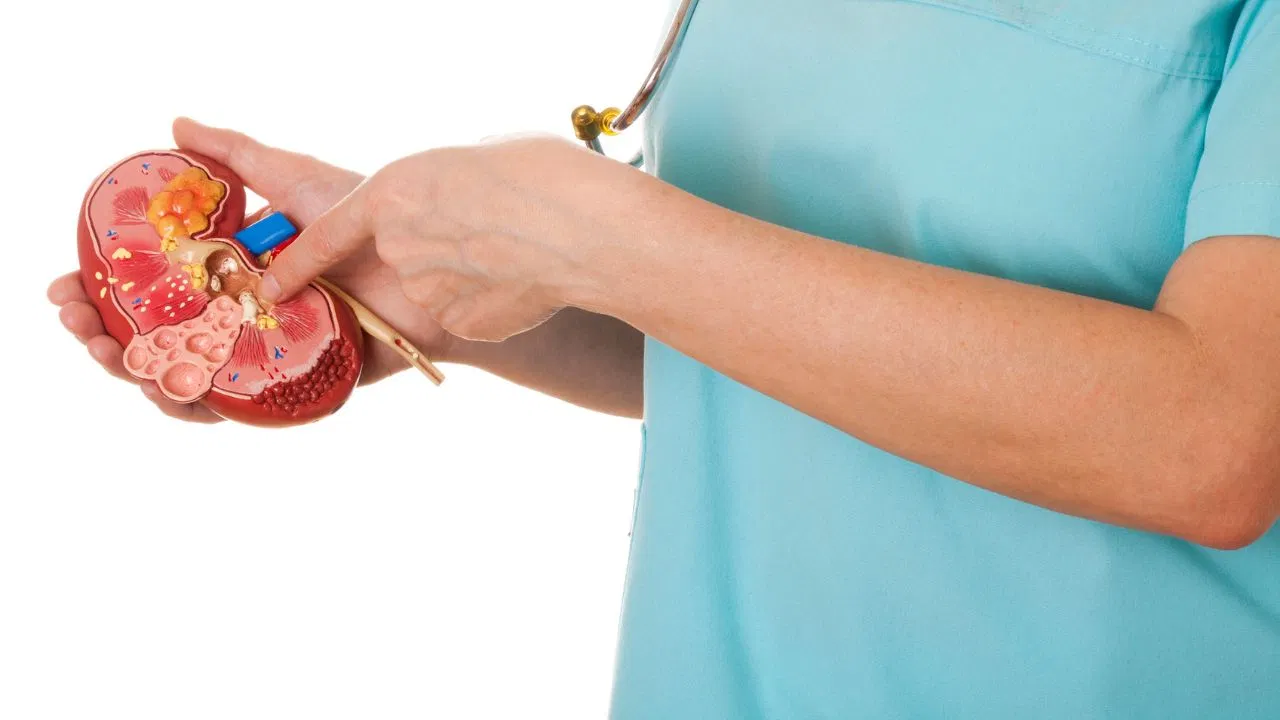
Kidney stones develop when salts and minerals present in urine gradually accumulate and harden, forming stone-like deposits. In the beginning, they may be very small, but without timely care they can increase in size and cause serious complications. Poor dietary habits, excess intake of salt and protein, insufficient water consumption, and a family history of kidney stones are some of the primary causes. The condition is more common in men than women.
Typical symptoms include severe pain or burning sensation while urinating, blood in the urine, and frequent urges to pass urine. When a stone gets lodged in the urinary tract, it can trigger sudden, intense pain known as colic pain. Long-term presence of stones increases the risk of infection and kidney damage. People suffering from obesity, diabetes, high blood pressure, or gout are at greater risk, as are those with low fluid intake and imbalanced diets.
According to Professor Dr. Himanshu Verma, Head of the Department of Nephrology at Safdarjung Hospital, the likelihood of passing a kidney stone naturally depends largely on its size. Stones up to 4 mm generally pass out of the body with urine without much difficulty. Stones measuring between 5 to 7 mm may also pass naturally, but the process can be painful and prolonged. Once the stone size exceeds 8 mm, the chances of it coming out on its own reduce significantly.
For stones of 10 mm or larger, the problem becomes more serious as they often obstruct the urinary tract, leading to severe pain and difficulty in urination. In such cases, medical intervention is usually required. Treatments may include procedures such as lithotripsy (breaking stones with shock waves), ureteroscopy (removing stones with a thin scope), or open surgery. The choice of treatment depends on the patient’s overall condition, the size of the stone, and its exact location.
To reduce the risk of kidney stones, doctors advise simple lifestyle changes. Drinking plenty of water throughout the day is most important. Reducing excess salt and junk food, consuming lemon water and citrus fruits, and avoiding unnecessary supplements can help in prevention. Most importantly, any signs of burning, pain, or blood in the urine should not be ignored, and medical consultation should be sought immediately.