LIFESTYLE
Kidney Stones: Not Just a Result of Poor Diet, Experts Highlight Genetic and Lifestyle Factors
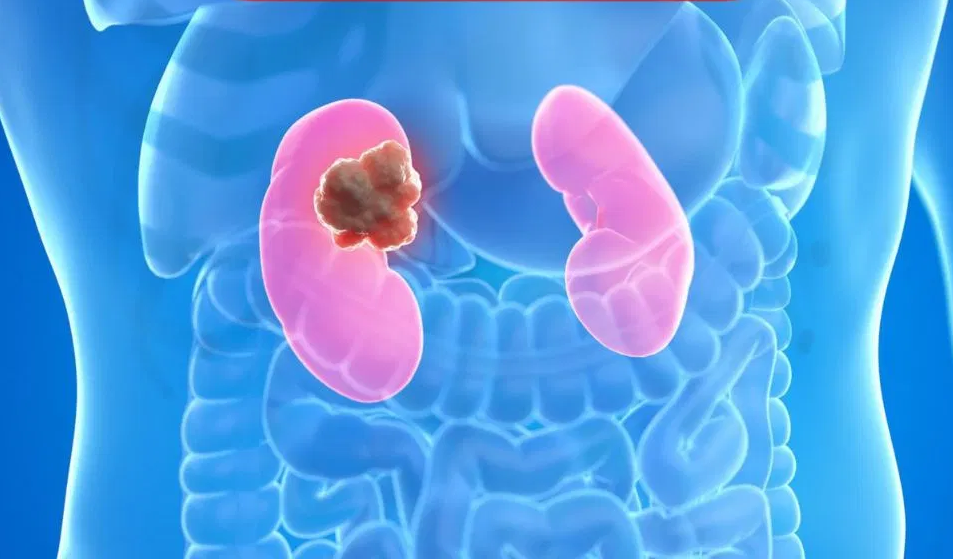
The kidneys play a vital role in filtering blood, removing toxins, and maintaining the body’s mineral and fluid balance. However, when excess calcium, oxalate, or uric acid accumulates in urine, it can crystallize and gradually form kidney stones. These stones may range from tiny crystals to large masses that block the kidney or urinary tract.
While dehydration, high salt or protein intake, and poor lifestyle choices increase the risk, experts warn that genetics also play a significant role.
How Kidney Stones Affect the Body
-
Small stones may not cause discomfort, but larger ones can block the urinary tract, leading to severe pain, burning, or blood in urine.
-
Stones that remain lodged in the kidney or ureter for long can obstruct urine flow, causing urinary tract infections (UTIs).
-
Persistent blockage and pain may reduce kidney function, and in severe cases, lead to permanent kidney damage, requiring dialysis or surgery.
-
Prolonged kidney stress can also result in high blood pressure and heart-related issues.
Genetic Link to Kidney Stones
According to the National Library of Medicine, nearly 20–30% of kidney stone cases are hereditary. If parents or close relatives have had kidney stones, the chances of developing them increase in the next generation.
Dr. Himanshu Verma from Safdarjung Hospital explains that in some people, the body’s metabolic processes naturally produce higher levels of calcium, oxalate, or uric acid, making them prone to stones even with a normal diet. Families with recurrent stone formation often carry genetic predispositions. Poor lifestyle choices—like inadequate hydration, excessive salt or protein intake, and frequent UTIs—can further worsen the problem.
Tips to Prevent Kidney Stones
-
Drink plenty of water throughout the day.
-
Limit salt and protein consumption.
-
Reduce intake of oxalate-rich foods such as spinach, chocolate, and tea.
-
Include more fresh fruits and vegetables in your meals.
-
Avoid alcohol and fast food.
-
Go for regular health checkups, especially if you have a family history of kidney stones.
Takeaway: Kidney stones are not just the result of poor eating habits—they can also be inherited. Early awareness, preventive care, and regular checkups are key to protecting kidney health.