Just like plasma therapy is given for the treatment of corona, similarly dengue patients need platelets. Often this question arises in the minds of people that what are platelets and why is their decreasing number harmful? Read this article to know.
Decreasing number of platelets is harmful for dengue
Every year, even after the rainy season ends, moisture remains in the atmosphere, which is favorable for mosquitoes. Therefore, their number starts increasing rapidly in the month of October. In case of dengue and malaria fever caused by their bites, the patient's immunity becomes weak and the platelets in the body start decreasing.
What are platelets
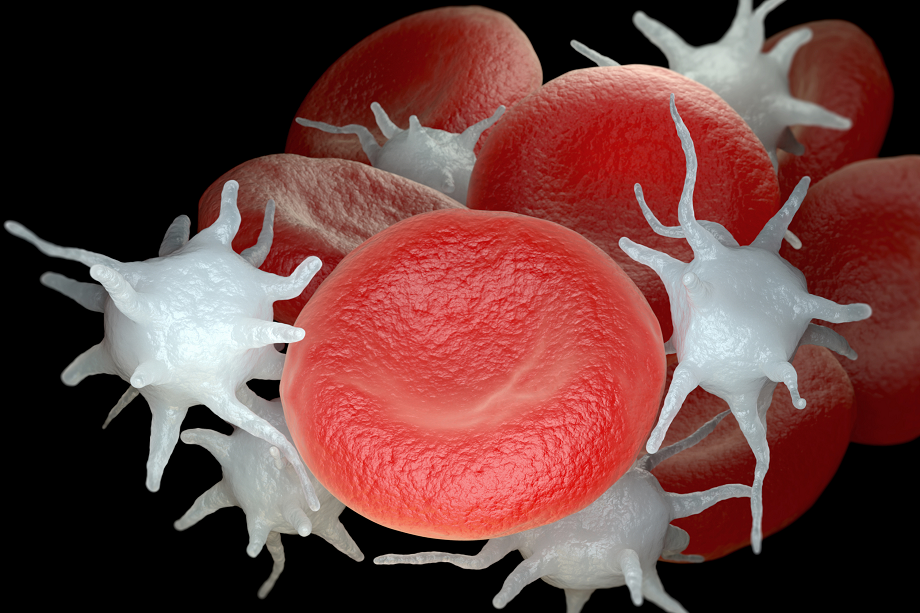
A healthy person has 5 to 6 liters of blood in his body, which is mainly composed of fluid, red and white blood cells as well as many other elements, including platelets. Red blood cells carry oxygen from one place to another in the entire body. This is what gives energy to our body. White blood cells give us the strength to fight infection. Usually, the number of platelets in one square milliliter of blood of a healthy person is between one and a half to four lakhs. Their main function is to stop bleeding by accelerating the process of blood clotting in case of injury. In such a situation, our platelets combine with a fluid called collagen to form a temporary wall at the site of injury and protect the blood vessel from getting damaged. Actually, platelets are very small particles of cells present in the bone marrow. They get divided and mixed in the blood due to a special type of hormone thrombopietin present in the blood.
Damage caused by deficiency
When the number of platelets in the blood decreases, that condition is called thrombocytopenia in the language of medical science. If the number of platelets falls below 10,000, the chances of bleeding increase. This blood starts flowing out of the nose or skin. If this discharge continues inside, then the chances of the major internal organs of the body like kidney, liver and lungs becoming inactive also increases. Apart from regular consumption of certain types of painkillers or alcohol, genetic diseases, chemotherapy, platelets in the blood also start decreasing due to dengue, typhoid, malaria or chikungunya. If their number falls below 10,000, then the patient needs a separate platelet transfusion.
Dengue and Platelets
The Aedes mosquito responsible for dengue attacks the blood vessels directly instead of biting the muscles, due to which the virus infection spreads very fast in the blood. As the infection increases, water starts separating from the blood. Due to the decrease in the number of platelets present as small particles inside the blood, the blood does not clot. Therefore, with the change of season, the amount of amla, chikoo, cashew, broccoli, green vegetables, citrus fruits and milk products should be increased in the diet because vitamin C and calcium also strengthen our immune system and prevent the number of platelets from decreasing. How Effective are home remedies?
Often during dengue or malaria, a person's immune system starts weakening. In such a situation, people should consume as much fluids as possible. In Ayurveda, it is advised to consume papaya leaves or giloy juice, coconut water and goat milk to increase platelets. Although the fluids present in these things definitely increase the patient's immunity, it is not safe to depend only on these methods for the treatment of the problem. The relief is that the platelets increase back at the same speed at which they decrease. Some people keep getting their platelet count done repeatedly. If the minimum count in a person's blood is up to 30,000, then there is no need to worry. Unless the condition is very serious, not every dengue patient needs to be hospitalized. If all the instructions of the doctor are followed and adequate amounts of fluids are consumed, then the number of platelets naturally increases, due to which the person recovers soon.
(Based on a conversation with Dr. Satyaprakash Yadav, Director, Department of Hematology and Medical Oncology, Medanta Hospital Gurugram)
PC: Patient Power