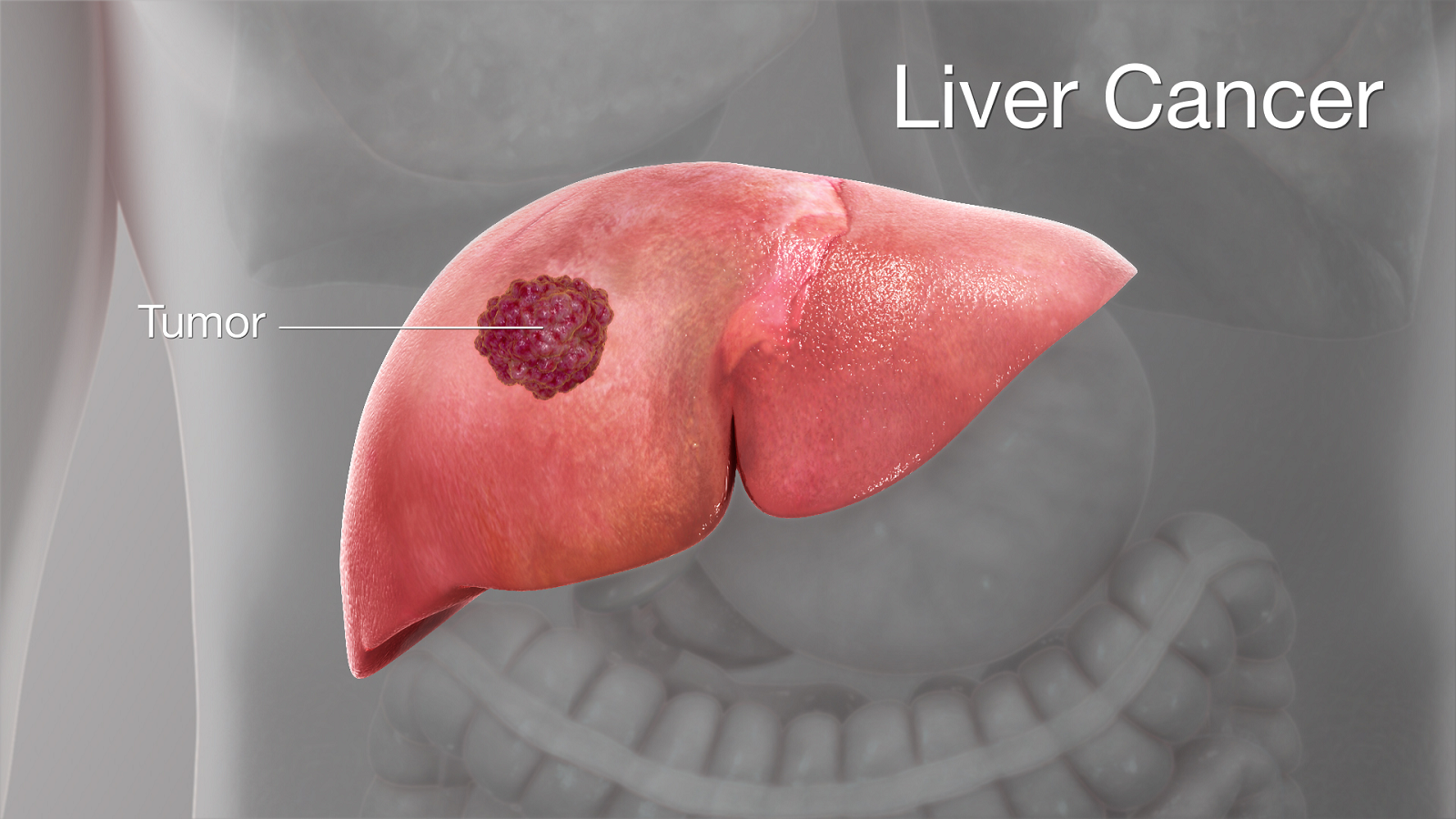
The liver is one of the most important organs in the human body. It performs critical functions such as filtering blood, producing essential proteins, storing energy, and removing toxins. It also produces bile, which aids in digestion. However, when liver cells start growing abnormally, it leads to liver cancer, a serious condition that can severely impact overall health.
Liver cancer can develop due to multiple factors, including long-term alcohol consumption, hepatitis B and C infections, fatty liver disease, obesity, or a family history of cancer. Over time, liver cancer disrupts the body’s detoxification process, allowing toxins to accumulate in the blood, which can lead to fatigue, unexplained weight loss, and digestive issues.
There are two main types of liver cancer:
-
Hepatocellular carcinoma (HCC): The most common type, originating in liver cells.
-
Cholangiocarcinoma: Develops in the bile ducts.
Liver cancer is particularly dangerous because early symptoms are often subtle or overlooked, and by the time it is diagnosed, the disease may have already progressed. Reduced liver function also affects other organs, gradually weakening the body.
Early Symptoms of Liver Cancer
Dr. Ananya Gupta, former director of the Gastroenterology Department at AIIMS, explains that liver cancer symptoms often appear slowly and may be mistaken for other common illnesses. Key signs include:
-
Persistent fatigue and weakness
-
Loss of appetite and unexplained weight loss
-
Pain or heaviness in the right side of the abdomen
-
Yellowing of the eyes and skin (jaundice)
-
Frequent nausea or vomiting
As the disease progresses, patients may experience:
-
Abdominal swelling and leg swelling
-
Increased body weakness
-
Bleeding or vomiting blood in severe cases
Since these symptoms can resemble other illnesses, timely medical evaluation is critical. Diagnostic tools such as CT scans, MRIs, and liver biopsies are essential for accurate diagnosis. Early detection greatly improves treatment outcomes and helps prevent serious complications.
How to Prevent Liver Cancer
Experts recommend several preventive measures:
-
Avoid alcohol and smoking
-
Get vaccinated against hepatitis B
-
Maintain a healthy diet
-
Prevent obesity and fatty liver
-
Exercise regularly
-
Get your liver checked periodically
By staying aware of the symptoms and taking preventive steps, liver cancer can be detected early, making treatment more effective and increasing chances of recovery.