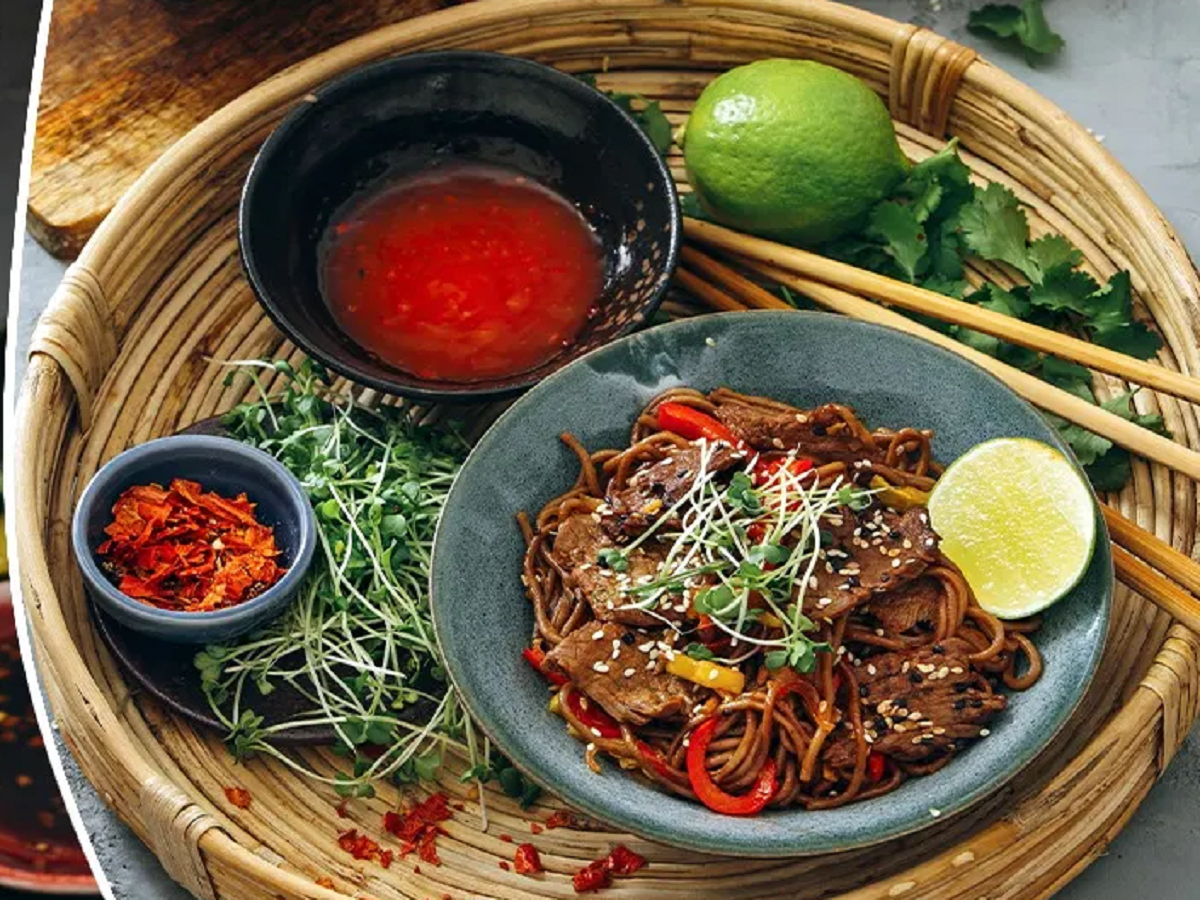
It is widely known that excess sugar consumption increases the risk of diabetes—but new research suggests that frequent access to fast foods such as momos and chowmein may also contribute to rising cases of type 2 diabetes and obesity.
According to a recent study conducted in several areas of Chennai, people living close to fast-food outlets are more likely to develop lifestyle-related health problems. The research indicates that residents who have fast-food stalls within 400 metres of their homes face a significantly higher risk of obesity and diabetes compared to those living farther away.
What the research found
Researchers observed that easy availability of fast food encourages people to eat outside more frequently, replacing balanced, home-cooked meals. This leads to:
-
Higher calorie intake
-
Increased body weight
-
Greater risk of insulin resistance, a key factor in type 2 diabetes
The study also noted that fast-food outlets located near schools and colleges are contributing to rising obesity levels among children and young adults, with cases of type 2 diabetes appearing at increasingly younger ages.
Why momos and chowmein are considered risky
Health experts point out that popular street foods like momos and chowmein often contain:
-
Refined flour (maida)
-
Excess salt
-
Refined or reused cooking oil
Regular consumption of such foods can promote weight gain, disturb blood sugar control, and increase the risk of heart disease. Research cited in the study also suggests that children who consume momos frequently—sometimes every alternate day—are showing early signs of insulin resistance.
How to reduce the risk
Experts advise adopting simple lifestyle measures to lower health risks:
-
Limit fast-food consumption to once or twice a month
-
Prefer home-cooked, balanced meals
-
Engage in regular physical activity
-
Maintain adequate sleep routines