LIFESTYLE
Magh Mela 2026: Why the Sacred Fair Is Always Held at the Sangam and Its Deep Spiritual Connection
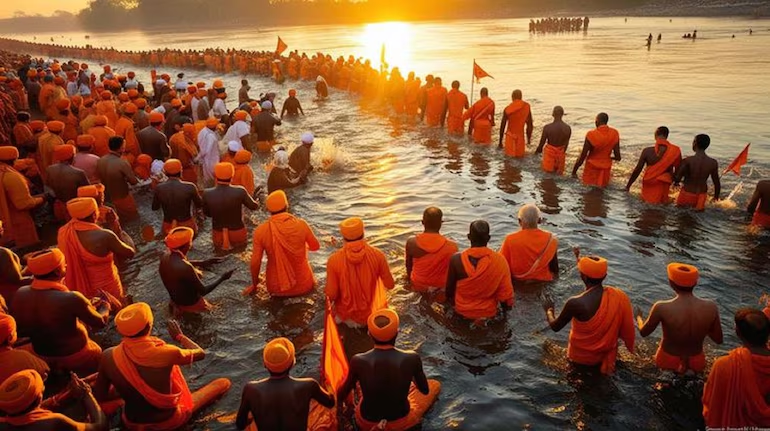
The Magh Mela is one of the most spiritually significant religious gatherings in the Hindu tradition, deeply rooted in faith, mythology, and centuries-old customs. Every year, as the sacred month of Magh begins, this revered fair takes place on the banks of the Sangam, the confluence of holy rivers, drawing millions of devotees. In 2026, the Magh Mela will begin on Saturday, January 3, and will continue until February 15, 2026.
This annual event is inseparably linked to Prayagraj, often referred to in scriptures as the “King of Pilgrimage Sites.” The Magh Mela is not merely a religious fair but a profound spiritual journey that combines ritual bathing, charity, penance, and disciplined living.
Spiritual Importance of Magh Month
The month of Magh holds exceptional importance in Hindu beliefs. It is widely believed that bathing in sacred rivers during this month washes away sins accumulated over many lifetimes. Magh Snan is said to purify the body, mind, and soul, helping devotees move closer to spiritual liberation. The eleventh month of the Hindu calendar is therefore regarded as extremely auspicious and spiritually rewarding.
According to religious texts, a holy dip at the Triveni Sangam during Magh is equivalent to performing thousands of yajnas. Devotees believe that such a bath attracts divine blessings and brings immense spiritual merit. Ancient scriptures even mention that gods themselves descend to Prayagraj during this month to partake in the sacred rituals.
Why Magh Mela Is Held Only at the Sangam
The unbreakable bond between the Sangam and the Magh Mela is rooted in mythological and Puranic traditions. As described in the Matsya Purana and Padma Purana, Lord Brahma performed an Ashwamedha Yajna at this sacred site before the creation of the universe. This divine sacrifice gave the place its name—Prayag, where “Pra” means first and “Yag” means yajna.
Another major reason for the Magh Mela being held here is linked to the legendary Samudra Manthan. According to mythology, during the struggle between gods and demons over the pot of nectar, drops of Amrit fell at four locations on Earth—Haridwar, Ujjain, Nashik, and Prayagraj. It is believed that during the month of Magh, the waters of the Sangam transform into nectar-like purity, making bathing here a path to salvation.
Kalpvas: A Month of Discipline and Devotion
Along with the Magh Mela, the sacred practice of Kalpvas also begins. Kalpvas is a month-long spiritual observance where devotees live a life of strict discipline on the banks of the Sangam. Kalpvasis follow a simple, sattvic lifestyle—sleeping on the ground, eating only once a day, and bathing in the holy river three times daily.
They dedicate their time to meditation, chanting, charity, and self-control. According to belief, those who sincerely observe Kalpvas attain freedom from the cycle of birth and death, making it one of the most spiritually powerful practices in Hinduism.
Major Bathing Dates During Magh Mela 2026
Several sacred bathing days mark the spiritual rhythm of the Magh Mela. These occasions witness massive gatherings of devotees and saints:
- Makar Sankranti: The formal beginning of the fair, celebrated when the Sun enters its northward journey.
- Mauni Amavasya: Considered the most significant bathing day, marked by silence, meditation, and intense spiritual practices.
- Basant Panchami: Dedicated to Goddess Saraswati, the day carries an atmosphere similar to a royal bath.
- Maghi Purnima: The concluding bathing festival, signifying the completion of Kalpvas.
A Living Symbol of Faith and Tradition
Magh Mela is not just a religious event but a living expression of India’s spiritual heritage. It brings together saints, scholars, pilgrims, and seekers, all united by faith and devotion. The fair reflects the timeless belief that spiritual discipline, charity, and sacred rituals performed with sincerity can lead to inner transformation.
Disclaimer
The information shared in this article is based on religious beliefs, mythological texts, and traditional practices. Readers are advised to seek guidance from knowledgeable scholars or experts for deeper understanding or personal observance.
Magh Mela 2026 once again stands as a powerful reminder of the enduring bond between the Sangam, faith, and the eternal quest for spiritual liberation.