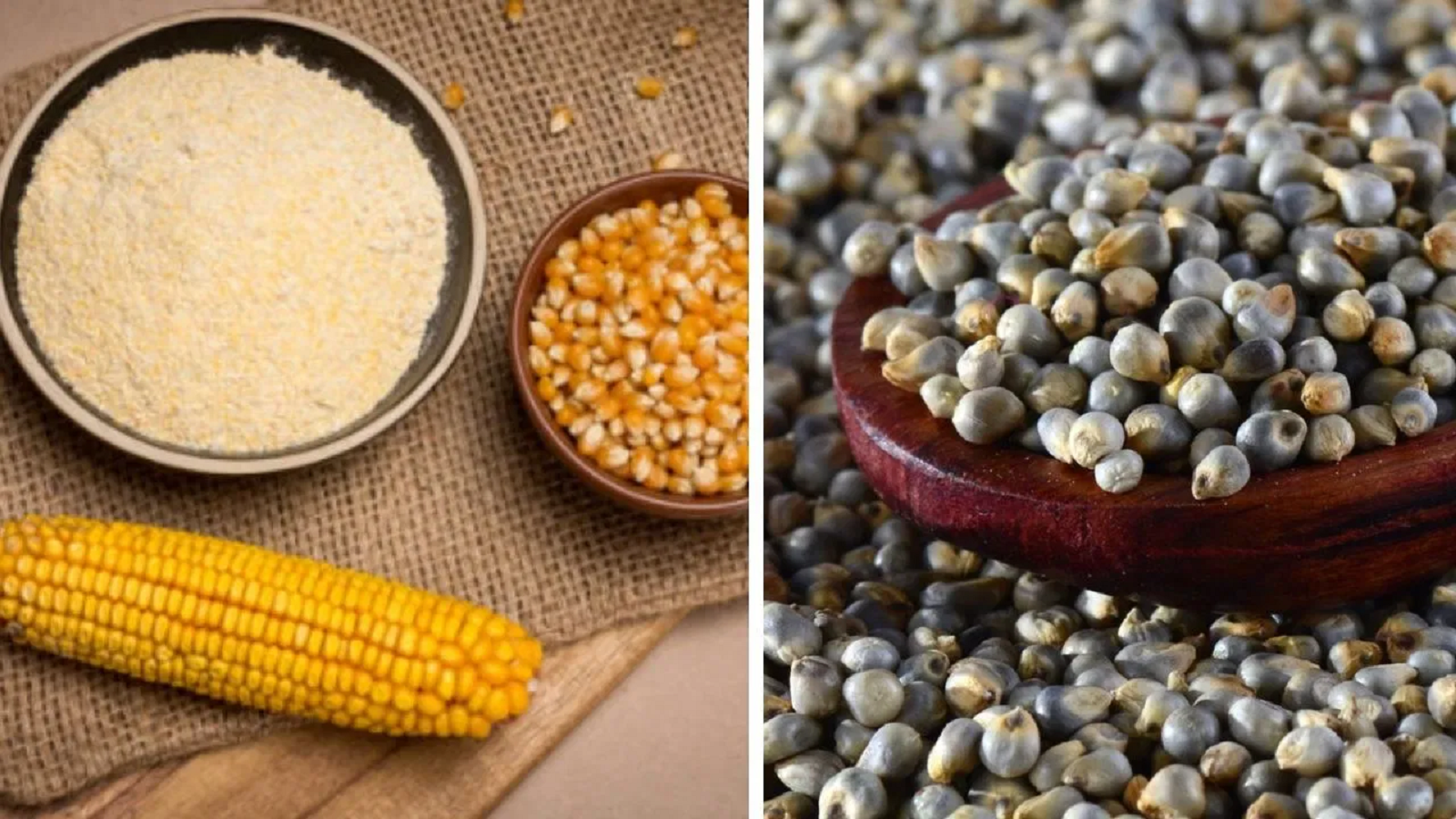
During winter, most people prefer foods that generate warmth and keep the body energized. Among these, coarse grains top the list, especially maize and millet. Both are rich in nutrients and are widely consumed in villages as well as cities. From rotis and porridge to halwa, these grains are used in various winter dishes. But the question remains: which grain provides greater benefits during the cold season?
Maize is known for its B vitamins, fiber, and energy content, while millet is rich in iron, calcium, protein, and is considered naturally warming. This article compares the benefits of both grains to help you understand which one supports warmth and overall health better in winter.
Nutrition and Benefits of Maize
Maize is an excellent source of energy and strength. It contains carbohydrates, fiber, B-complex vitamins, vitamin A, magnesium, and antioxidants. Eating maize keeps you full for longer, making it a suitable choice for those looking to manage weight. Winter often brings feelings of sluggishness, but including maize in your meals helps maintain energy levels throughout the day. Its fiber supports digestion and helps relieve common stomach issues. Overall, maize is a wholesome grain that provides energy and contributes to warmth during winter.
Why Millet Is Considered a Winter Superfood
Millet is widely regarded as one of the best grains to eat in the winter months. Its natural warming effect makes it ideal for cold weather. According to Dr. D. K. Gupta, Chairman and Managing Director of Felix Hospital, millet offers dual benefits: it keeps the body warm and boosts energy at the same time. It also supports blood sugar control, making it a good choice for people with diabetes. Eating millet roti regularly can help improve immunity and protect the body from seasonal illnesses.
Maize vs Millet: What Experts Recommend
We also consulted Jaipur-based Ayurveda expert Kiran Gupta to understand which grain is better suited for winter. She explained that while both grains are nutritious, millet provides stronger warming properties. This helps maintain body heat and supports immunity during the cold season. Millet is also more effective in boosting overall energy.
However, maize has its own advantages—it keeps you full for longer and is digested easily, making it suitable for people looking for light yet energizing meals.
In conclusion, both grains offer valuable benefits. Your choice can depend on your body’s needs, and you can even include both in your winter diet for a balanced approach.