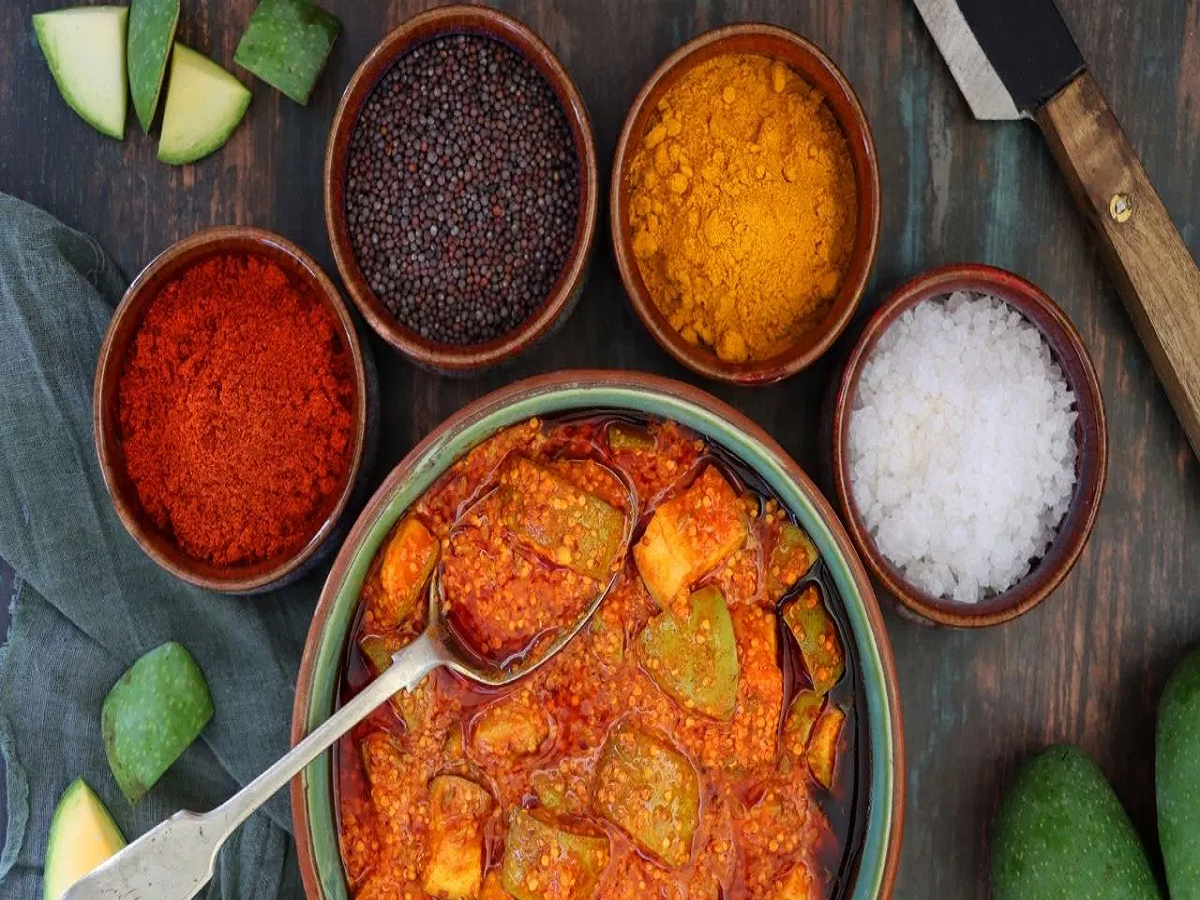
Pickles have been an essential part of the Indian diet for generations. They enhance the taste of meals and are traditionally considered beneficial for digestion and gut health. Made from fruits and vegetables rich in vitamins and minerals, and preserved with natural spices, homemade pickles were prepared with care by mothers and grandmothers using time-tested methods. These pickles fermented naturally and were stored safely without chemicals.
However, modern lifestyles have reduced the time people can spend on traditional cooking. As a result, many households now rely on store-bought pickles. While convenient, commercially available pickles may pose several health risks due to poor quality control, adulteration and the use of artificial ingredients.
Risk of mold and contamination
In several cases, moldy pickles have been found and destroyed by authorities. Often, sellers may unknowingly process or sell spoiled pickles. Consuming such pickles can allow harmful bacteria and fungi to enter the body, increasing the risk of food poisoning, stomach infections and digestive issues.
Unsafe packaging and poor hygiene
Most market pickles are sold in plastic containers. There is no guarantee that these containers are food-grade or safe for long-term storage, especially for acidic foods like pickles. Poor hygiene during preparation, unhygienic storage conditions, lack of pest control and the absence of medical checks for food handlers can further increase the risk of contamination and illness.
Use of artificial food colouring
Commercial pickles often appear brighter or darker than homemade ones. This is usually due to the addition of synthetic food colours to enhance appearance. Regular consumption of artificial dyes may contribute to allergic reactions, digestive discomfort and other health concerns over time.
Low-quality oils and spices
Traditionally, pickles are prepared using pure mustard oil, which acts as a natural preservative. Many commercial pickles use cheaper, low-quality oils instead. These oils can negatively affect heart and liver health. In addition, spices used in market pickles may be of inferior quality, and fillers such as starch or other powders are sometimes added to increase weight.
Excessive use of preservatives
Homemade pickles rely on sunlight exposure, dryness and natural acids like lemon juice to stay fresh. In contrast, market pickles often contain chemical preservatives such as sodium benzoate to extend shelf life and prevent mold formation. Over time, excessive intake of such preservatives may cause side effects like stomach pain, nausea, vomiting or skin irritation in sensitive individuals.
Conclusion
While pickles themselves are not unhealthy, the way market pickles are produced, stored and preserved can reduce their benefits and introduce health risks. If possible, homemade pickles made with clean ingredients and traditional methods are a safer choice. If buying from the market, choosing trusted brands, checking ingredient labels and consuming pickles in moderation can help reduce potential harm.