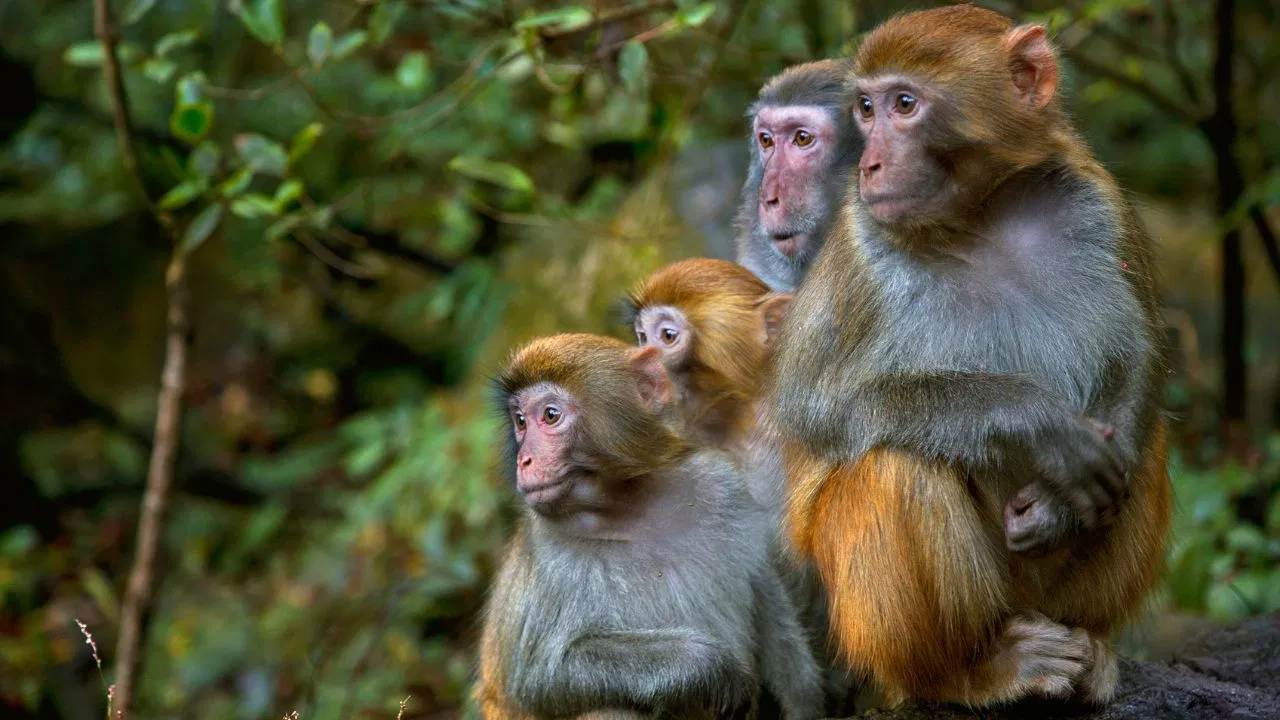
China is witnessing an unusual and sharp surge in demand for monkeys, with prices skyrocketing to as high as ₹25 lakh per animal. Monkeys that were once available for a few thousand rupees are now being sold at premium rates, especially in and around Beijing. What’s more surprising is that even government-linked institutions under the administration of Xi Jinping are reportedly buying monkeys at these inflated prices.
According to reports, the Chinese government has also appealed to ordinary citizens and private breeders to help increase monkey breeding, highlighting how serious the shortage has become.
Monkeys now selling for ₹25 lakh each
As per a report by Financial Times, a single monkey is currently being sold for around 2.5 million rupees in China. A similar price spike was seen in 2021, during the peak phase of COVID-19 vaccine development. After that period, demand had cooled down—but nearly five years later, the scramble for monkeys has returned.
Research labs across China are reportedly competing to procure monkeys. Several pharmaceutical companies are even sourcing monkeys from overseas due to limited domestic availability. Experts warn that if the shortage worsens, illegal smuggling of monkeys could rise again, similar to what happened in 2021 when monkeys were reportedly smuggled into China from Cambodia to bridge the supply gap.
How monkeys are bred in China
In China, monkeys are bred not only through natural processes but also via biochemical and controlled scientific methods. According to the China Association for NHP (Non-Human Primate) Breeding and Development, such organised breeding practices began in 2018. The highest number of monkeys bred in a single year was recorded in 2021, when about 30,000 monkeys were produced.
Despite these efforts, current demand has far outpaced supply.
Why demand for monkeys has surged again
The renewed spike is largely driven by China’s aggressive push to lead the global medical and biotechnology sector. The government has encouraged innovation in pharmaceuticals, vaccines, and longevity research. As part of this drive, Chinese companies conducted multiple trials in 2025, including vaccines for:
-
Ampox
-
COVID-19
-
Cancer
-
Longevity and anti-ageing
Monkeys are a crucial requirement for such trials, especially in pre-clinical testing phases. However, while the number of trials has increased significantly, the available monkey population has declined—creating a supply-demand mismatch and driving prices sharply higher.
How many monkeys are used every year?
According to a Sixtone report, China uses around 25,000 monkeys annually for vaccine and drug trials. With a surge in research activity this year, demand has exceeded that average, directly impacting prices.