LIFESTYLE
Monsoon Diet Tips: These 'healthy' things should be avoided during monsoon, it can be harmful for health..

Foods To Avoid in Monsoon: The monsoon season, which brings rain with it, certainly gives us relief from the heat, but this pleasant weather also brings with it many health challenges. During this time, due to increasing humidity, the possibility of bacteria and fungus growing in the air increases significantly. This directly affects our digestive system and the body's immunity.
This is the reason why some foods, which we usually consider very healthy, can also prove to be harmful for us in this season. These can cause food poisoning, infection, or other digestive problems. In this article, let us know in detail which are those four 'healthy' things that we should avoid in monsoon.
Mushrooms
Mushrooms are rich in protein and vitamins, but they should be avoided in monsoon. Due to moisture, fungus and bacteria easily grow on mushrooms, especially if they are not cleaned properly. Eating contaminated mushrooms can cause stomach pain, vomiting, or food poisoning. Therefore, mushrooms should be avoided during monsoon.
Green leafy vegetables
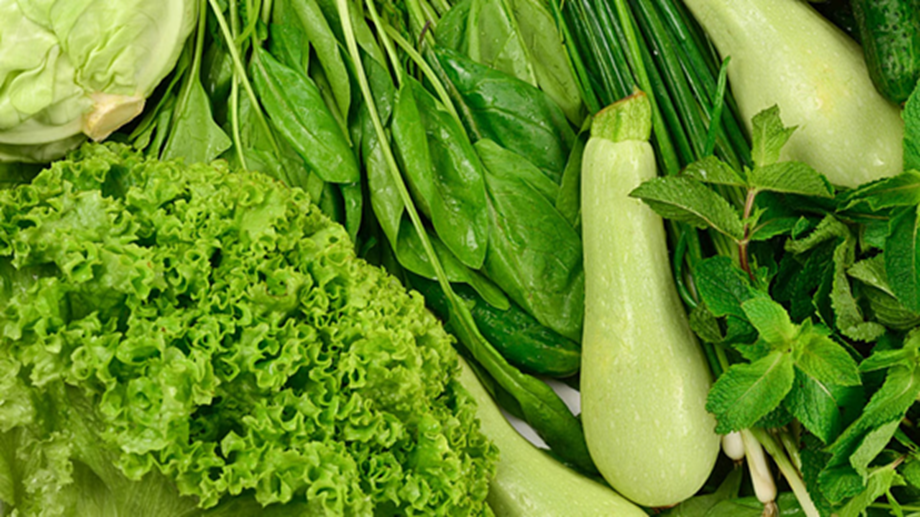
Green leafy vegetables like spinach, fenugreek, and mustard are rich in nutrients, but they should be avoided during the rainy season. Due to moisture, insects, bacteria, and pesticides accumulate on these vegetables, which may remain even after thorough washing. Consuming them can cause stomach infections, diarrhea, or nausea.
Seafoods
Seafoods, such as fish, shrimp, and crabs, can be risky during monsoon. The amount of bacteria and toxins in marine creatures increases during the rainy season. In such a situation, they can be very harmful to the stomach. If you live in coastal areas, choose fresh seafood and eat it only after cooking it thoroughly.
Street food
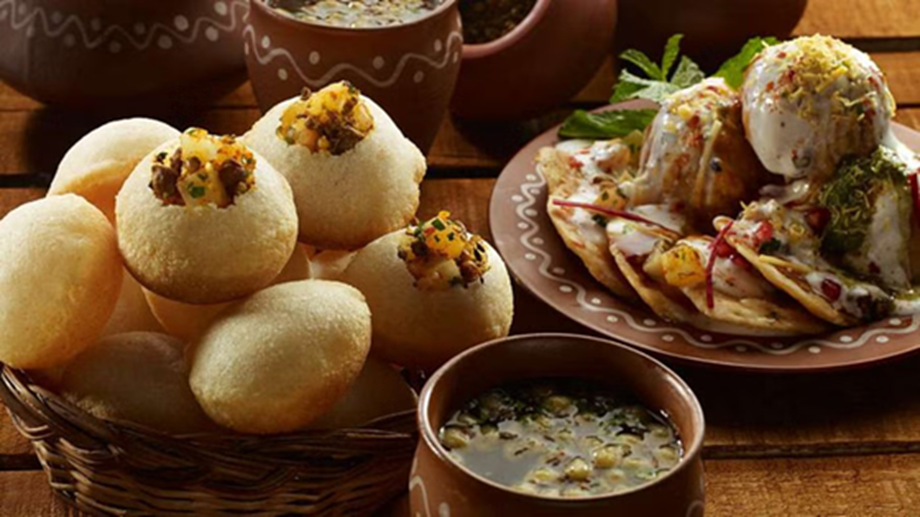
Street food, such as pakodas, chaat, and golgappas, may look tempting during monsoon, but they can be harmful to health. Food sold on the roadside is often prepared using contaminated water, dirty utensils, or in unhygienic ways. This increases the risk of bacterial or viral infections, such as typhoid, jaundice, or diarrhea. So prefer fresh and hot food prepared at home.
PC Social media