BUSINESS
New Government Job Scheme 2026: Rural Workers Can Now Get 125 Days of Guaranteed Employment, Know the Rules
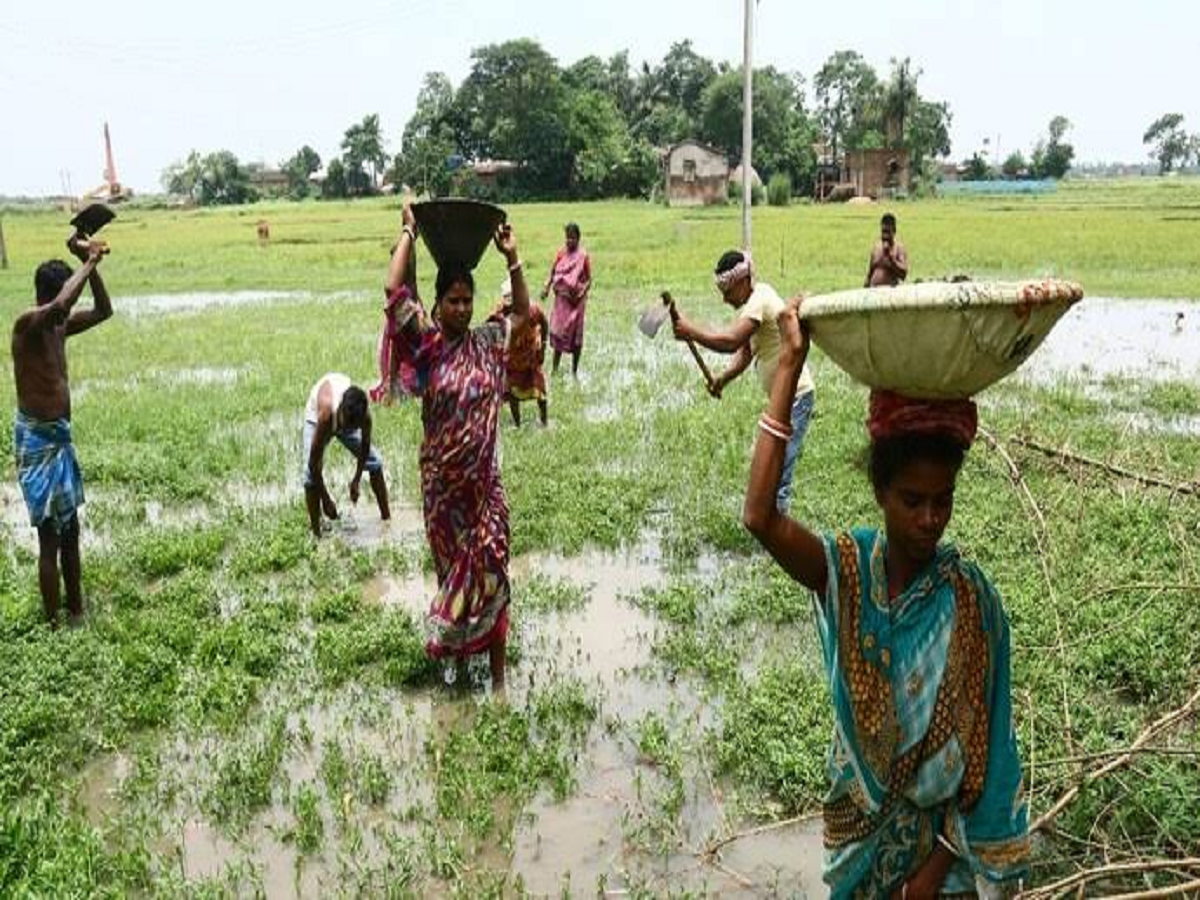
A major change has been introduced in India's rural employment programme. The government has started implementing the Viksit Bharat–Guarantee for Rozgar and Ajeevika Mission (Gramin), or VB–G RAM–G, across rural India from July 1, 2026.
The new programme replaces the earlier MGNREGA framework and aims to provide stronger employment support and create productive assets in rural areas. The government has announced a statutory guarantee of up to 125 days of employment for eligible rural households.
What is the new VB–G RAM–G scheme?
The Viksit Bharat–G RAM–G scheme is the government's new rural employment framework. It focuses not only on providing wage employment but also on creating durable infrastructure and strengthening livelihoods in villages.
According to the Ministry of Rural Development, the scheme began nationwide implementation from July 1, 2026. All States and Union Territories have notified their respective schemes under the new framework.
The government has also announced a ₹95,692 crore allocation for the programme.
125 days of employment guarantee
One of the biggest changes is the increase in the statutory employment guarantee to 125 days.
Eligible rural households can seek employment under the programme, subject to the applicable rules and procedures in their state or Union Territory.
The objective is to provide rural families with a source of wage employment while also creating useful community and infrastructure assets.
What happens to existing job cards?
People who were already registered under the earlier rural employment programme do not necessarily have to start from scratch.
The government has stated that existing job cards will remain valid during the transition, while ongoing works will continue without interruption.
However, workers should follow the procedures communicated by their local Gram Panchayat or state authorities for accessing employment under the new system.
What kind of work will be covered?
The new programme focuses on employment-generating activities linked to rural development and the creation of productive assets.
The broader approach is intended to support areas such as rural infrastructure, water-related works, livelihood development, and other activities that can contribute to the long-term development of villages.
The idea is to combine employment support with work that can benefit rural communities beyond the period of employment.
Who can benefit?
The scheme is primarily aimed at rural households seeking wage employment. Eligible members of rural households can demand work according to the rules of the programme.
Since implementation involves both the Centre and States/UTs, the exact process, local implementation arrangements, and work opportunities can vary from one state to another.
How can rural workers get employment?
People who want to seek employment should approach their Gram Panchayat or the relevant local rural-development authorities.
Workers should keep their existing employment-related documents and job-card details safely and ensure that their information is updated wherever required.
It is also important to check information only through official government channels and local authorities rather than relying on messages or unofficial websites claiming to provide scheme registration.
Why is this scheme important?
The transition to VB–G RAM–G represents a major change in India's rural employment system. The government says the new framework is designed to strengthen employment security while linking rural work with infrastructure creation, livelihoods, and long-term development.
For rural families, the most important point is that the new system provides a statutory guarantee of up to 125 days of employment, subject to eligibility and the scheme's rules.
Anyone seeking work under the programme should therefore stay in contact with their Gram Panchayat and check official government announcements for registration, work availability, wage payments, and other local requirements.