BUSINESS
New Government Scheme 2026: PM Surya Sarovar Yojana Approved, 5,000 MW Floating Solar Projects to Be Developed
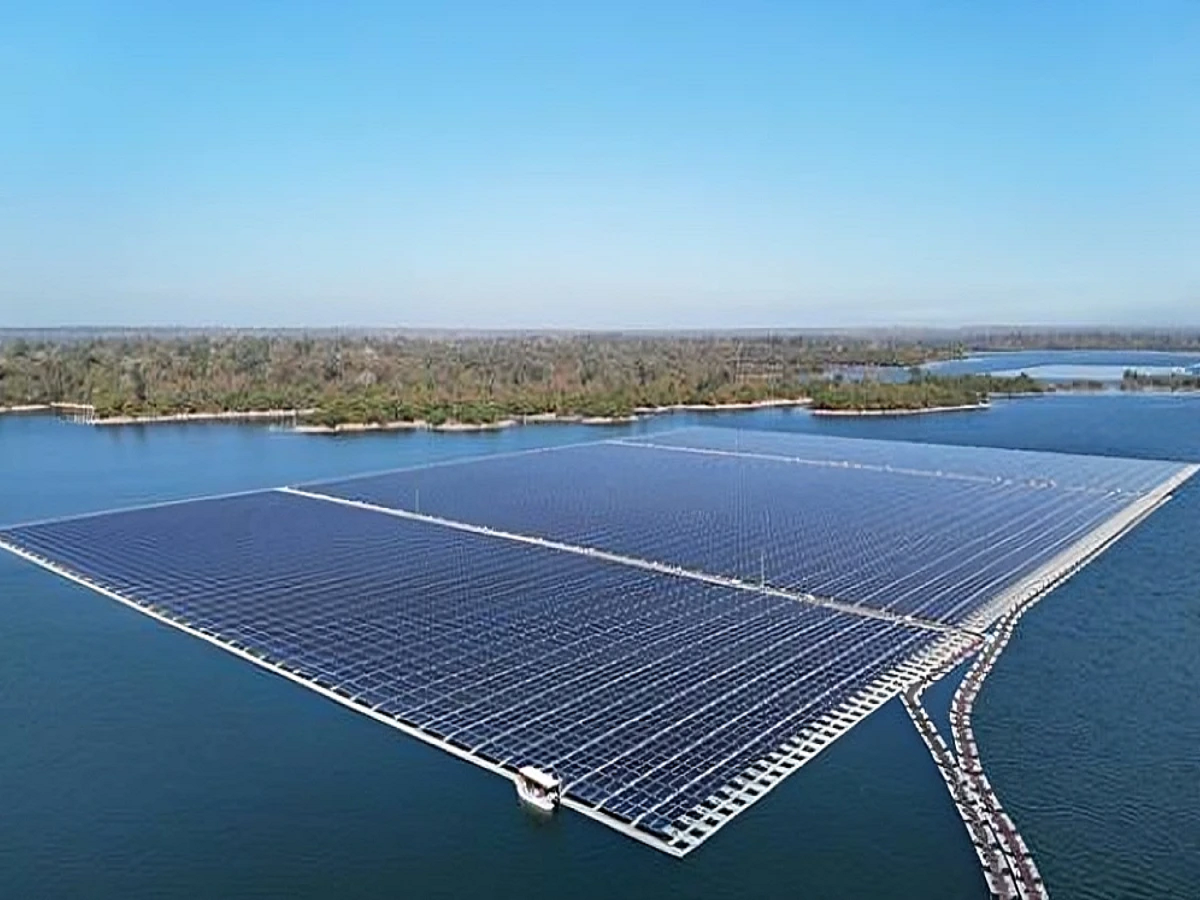
India is giving a major push to solar energy with the approval of a new government scheme that will use water bodies such as reservoirs and industrial ponds for generating electricity. The Pradhan Mantri Surya Sarovar Yojana (PM-SSY) was approved on July 31, 2026, and aims to support 5,000 MW of floating solar photovoltaic projects along with energy-storage systems.
The initiative is designed to increase renewable-energy generation while making use of existing water bodies instead of requiring large areas of land for solar projects.
What is PM Surya Sarovar Yojana?
The Pradhan Mantri Surya Sarovar Yojana is a government initiative focused on developing floating solar power projects.
Unlike conventional solar farms, floating solar panels are installed on suitable water bodies. The government plans to support projects with a combined capacity of 5,000 MW under the new scheme.
The projects will also have co-located energy-storage systems, helping electricity generated during the day to be managed more effectively when demand is higher.
Why are solar panels being installed on water?
One of the major advantages of floating solar is that it can reduce the requirement for large areas of land.
The government plans to utilise reservoirs and industrial ponds for these projects. This can help avoid competition for land while making use of water surfaces that are suitable for floating photovoltaic installations.
Floating solar projects can therefore become an additional source of renewable electricity without depending entirely on large land-based solar parks.
5,000 MW solar capacity planned
Under PM-SSY, the government aims to support floating solar photovoltaic projects with a total capacity of 5,000 MW.
The scheme also includes energy-storage systems with a minimum storage duration of two hours. This translates to a planned storage capacity of at least 10,000 MWh across the supported projects.
Energy storage is important because solar power generation changes throughout the day and stops after sunset. Storage can help shift some of the generated electricity to periods when it is needed.
Will ordinary households get direct subsidy?
This is an important point for consumers.
PM Surya Sarovar Yojana is not the same as the PM Surya Ghar scheme, which provides support for rooftop solar installations by households.
The new floating-solar programme is primarily aimed at developing larger renewable-energy projects and supporting states and other eligible project entities. Therefore, homeowners should not assume that PM-SSY provides a direct subsidy for installing solar panels on their rooftops.
Households interested in rooftop solar should instead check the applicable provisions of PM Surya Ghar: Muft Bijli Yojana.
India's solar capacity continues to grow
The government says India's overall solar capacity has expanded significantly over the past decade. Solar capacity stood at approximately 3 GW in 2014 and reached 162.15 GW as of June 30, 2026.
The expansion has been supported by several initiatives covering solar parks, rooftop installations, manufacturing and solar-powered agricultural applications.
The new floating-solar programme is intended to add another dimension to this growth.
How can floating solar benefit the country?
The government expects floating solar projects to help increase renewable-energy generation while reducing pressure on scarce land resources.
The addition of energy storage can also help improve the usefulness of solar power during periods when electricity demand is high.
For states with suitable reservoirs and other water bodies, floating solar could provide an opportunity to generate clean electricity without using large areas of land for conventional solar parks.
What does this mean for electricity consumers?
The scheme is not an immediate electricity-bill reduction programme for individual consumers. Its impact is expected to be broader and longer term.
Increasing renewable-energy generation can contribute to India's clean-energy transition and diversify the country's electricity sources. The addition of storage could also help integrate solar power more effectively into the electricity system.
For consumers, the important takeaway is that PM-SSY is focused on expanding India's renewable-energy infrastructure rather than providing a direct household cash benefit.
A new direction for India's solar sector
With a target of 5,000 MW of floating solar capacity and at least 10,000 MWh of associated storage, PM Surya Sarovar Yojana represents a significant new step in India's renewable-energy expansion.
The scheme's focus on reservoirs and industrial ponds could help India generate more solar electricity while reducing the need for additional land. As projects are developed, the initiative could also strengthen the country's ability to integrate renewable power into the electricity system.