Digital payments have become part of everyday life in India. From paying for groceries and ordering food to transferring money to friends, Unified Payments Interface (UPI) makes transactions possible within seconds. But the same convenience can also expose users to fraud if they approve unfamiliar requests or share confidential information.
The National Payments Corporation of India (NPCI), banks and other payment service providers have introduced security measures over time to strengthen digital payments. For users, understanding how UPI actually works is one of the simplest ways to avoid losing money to scams.
1. You Do Not Need a UPI PIN to Receive Money
One of the most common misconceptions about UPI is that you must enter your PIN to receive a payment.
This is incorrect. You generally enter your UPI PIN when authorising a payment from your account, not simply to receive money.
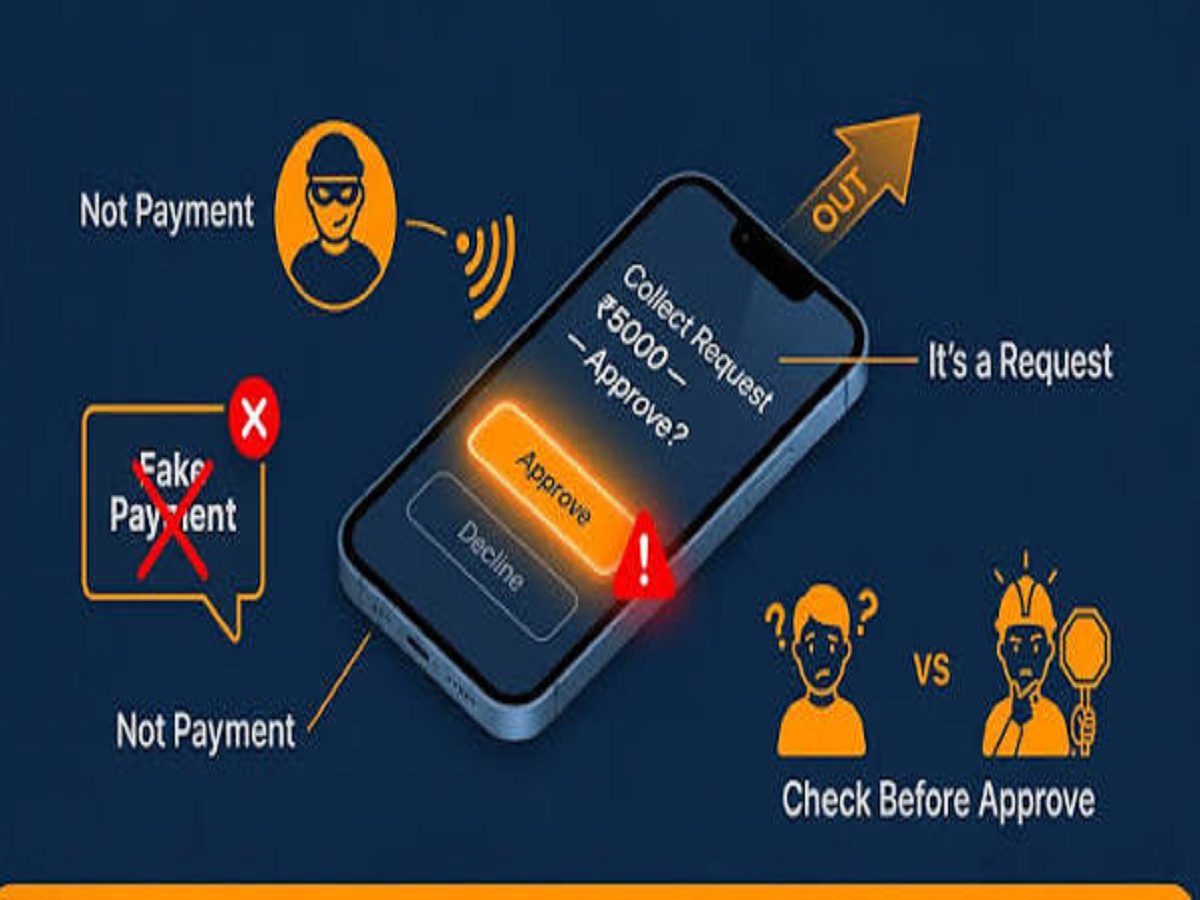
Fraudsters may pretend to send you money and ask you to scan a QR code or enter your PIN to claim it. Never approve a payment request unless you understand exactly what it does.
2. Never Approve an Unknown Collect Request
A UPI collect request asks you to approve a payment to another party. It is not the same as receiving money.
If you receive a request from an unfamiliar person, check the recipient's details and the amount before taking any action. Reject requests that you did not initiate.
Remember that entering your PIN after reviewing a payment request can authorise money to leave your account.
3. Scanning a QR Code Can Lead to a Payment
QR codes are commonly used by shops and service providers to receive payments. However, scammers may send QR codes with misleading instructions, claiming that scanning them will credit a refund or prize.
Scanning a code does not, by itself, mean that money has been received. Always check the payment screen carefully and never enter your PIN simply because someone claims it is necessary to collect a refund.
For refunds, verify the process directly with the merchant or service provider.
4. Never Share Your UPI PIN or OTP
Your UPI PIN is confidential. Banks and legitimate customer-support representatives should not ask you to disclose it over a call or message.
Similarly, never share OTPs, banking passwords or screen-sharing access with unknown people claiming to help resolve a payment problem.
If someone pressures you to act immediately, disconnect and contact your bank using the official number listed on its website or app.
5. Check the Recipient's Name Before Paying
UPI transfers can happen quickly, but recovering money sent to the wrong recipient may be difficult.
Before confirming a transaction, check the beneficiary's displayed name, UPI ID and amount. Be especially careful when paying a new contact or using a QR code received through a message.
If the details do not match the person or business you intend to pay, cancel the transaction and verify the information independently.
6. What Should You Do if a UPI Payment Fails?
Sometimes money may be debited even when the recipient does not immediately receive the payment. This can happen because of technical issues, delays or temporary service disruptions.
Avoid repeating the transaction immediately without checking its status, as this could result in a duplicate payment.
Open your UPI app's transaction history and check whether the payment is pending, failed or successful. Follow the app's instructions for raising a complaint if the amount has been debited but not credited back within the applicable timeframe.
7. Report UPI Fraud Immediately
If you discover an unauthorised transaction or suspect that you have been cheated, act quickly.
-
Contact your bank through its official customer-support channel and report the transaction.
-
Call India's cybercrime helpline at 1930 as soon as possible if you have suffered financial cyber fraud.
-
Submit a complaint through the official National Cyber Crime Reporting Portal at cybercrime.gov.in.
-
Keep transaction IDs, screenshots, messages and other relevant evidence.
Quick reporting can help authorities and financial institutions take action, although recovery of the money is not guaranteed.
Are There New UPI Rules That Every User Must Follow?
UPI security requirements can change as NPCI, banks and payment providers update their systems. Features such as transaction limits, additional authentication and other safeguards may vary depending on the type of payment, bank and service.
Users should therefore rely on official announcements from NPCI, their bank and their payment app rather than viral messages claiming that every UPI user must follow a new rule immediately.
Final Takeaway
UPI is designed to make digital payments convenient, but users must remain alert. Never enter your PIN to receive money, do not approve unfamiliar payment requests and verify the recipient before confirming a transfer.
If something feels suspicious, stop the transaction and contact your bank through an official channel. A few seconds spent checking the payment screen can help prevent a costly mistake.