Tesla is moving closer to its vision of fully autonomous transportation with the Cybercab, an electric robotaxi designed to operate without a traditional steering wheel or driving pedals.
The company is set to unveil the vehicle at a limited event in Austin, Texas, on September 3. Unlike a conventional car launch, the event is expected to give selected customers and Cybercab enthusiasts an opportunity to experience Tesla's autonomous technology.
What Makes the Cybercab Different?
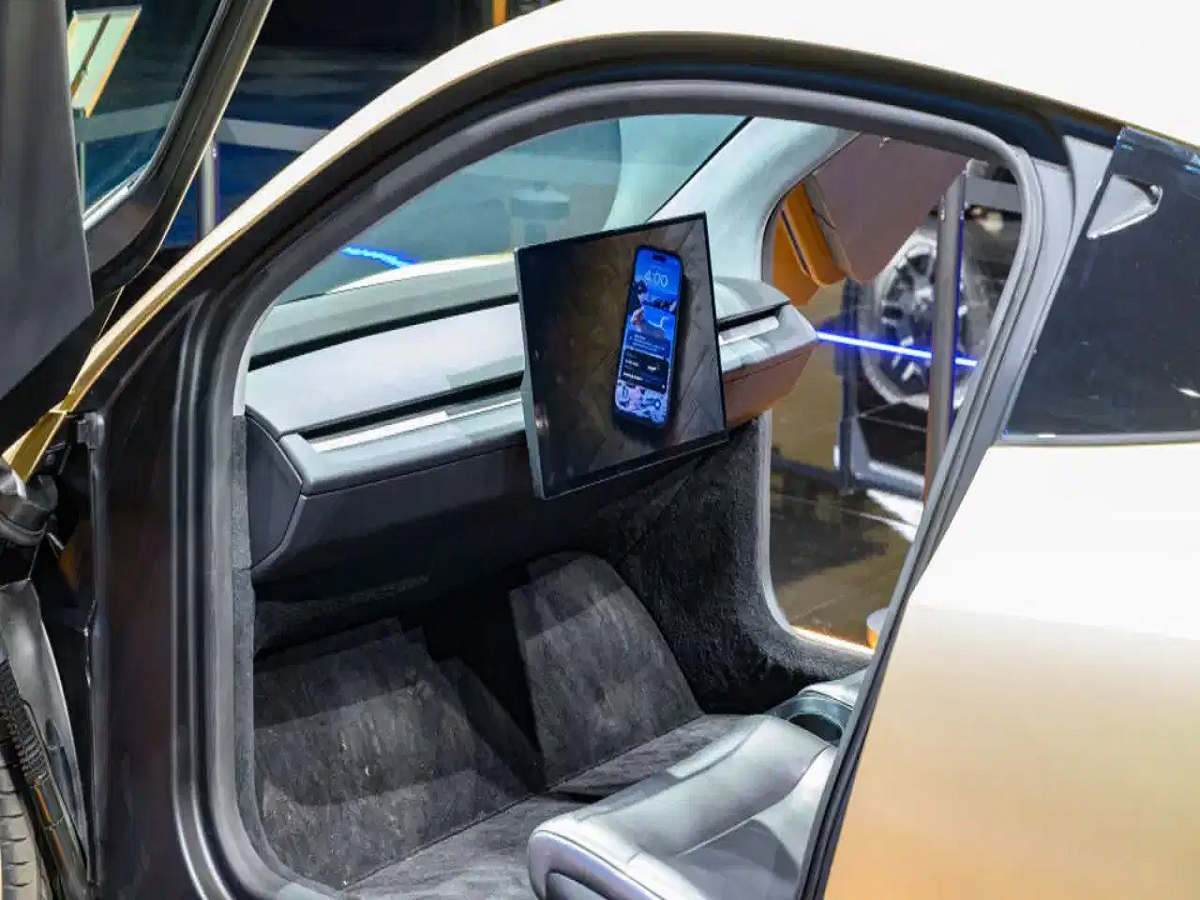
The Cybercab has been designed from the ground up as a driverless vehicle. Its most striking feature is the absence of a steering wheel, accelerator pedal and brake pedal.
The vehicle has only two seats, with Tesla's autonomous driving system responsible for steering, acceleration, braking and navigating traffic. Passengers therefore won't be able to take control of the vehicle in the way they can in a conventional car.
Cybercab Was First Revealed in 2024
Tesla first showed the Cybercab concept to the public in October 2024. Early demonstrations involved autonomous rides in prototype vehicles on a closed track in California.
Since then, Tesla has continued developing its robotaxi technology and has expanded limited driverless Model Y operations in parts of the United States.
Testing of the Cybercab has also progressed. Tesla employees began riding in the vehicle during testing in July 2026, marking another step toward eventually putting the vehicle into wider service.
Compact Two-Seater Design
Unlike Tesla's existing passenger cars, the Cybercab has been designed specifically around autonomous transportation.
Its two-seat layout reflects its intended role as a robotaxi rather than a conventional family car. With no controls for a human driver, the interior can focus entirely on passenger use.
The initial vehicles produced in Austin are expected to use Tesla's AI4 computing platform, while the company is also developing newer autonomous-driving hardware for future vehicles.
Safety and Regulations Remain Major Challenges
A steering-wheel-free vehicle presents a different set of safety and regulatory questions. In a conventional car, a driver can potentially take control if the vehicle encounters an unexpected situation. Cybercab passengers will not have that option.
Tesla's existing autonomous driving and robotaxi operations have already attracted attention from regulators and safety authorities following reported incidents. As a result, the Cybercab will likely face close scrutiny as testing and deployment expand.
When Can the Public Ride in a Cybercab?
Although Tesla is preparing for the next stage of Cybercab testing and demonstrations, a broad public rollout has not yet been clearly established.
The company is expected to begin with limited operations before potentially expanding the service to more locations, depending on technology performance, regulatory approvals and safety requirements.
If Tesla succeeds in bringing the Cybercab into widespread service, the vehicle could mark a major shift in how robotaxis are designed—with passengers simply getting in, choosing their destination and leaving the driving entirely to the autonomous system.