BUSINESS
Oil Marketing Companies Face ₹80,000 Crore Deficit: Will Petrol and Diesel Prices Rise in May?
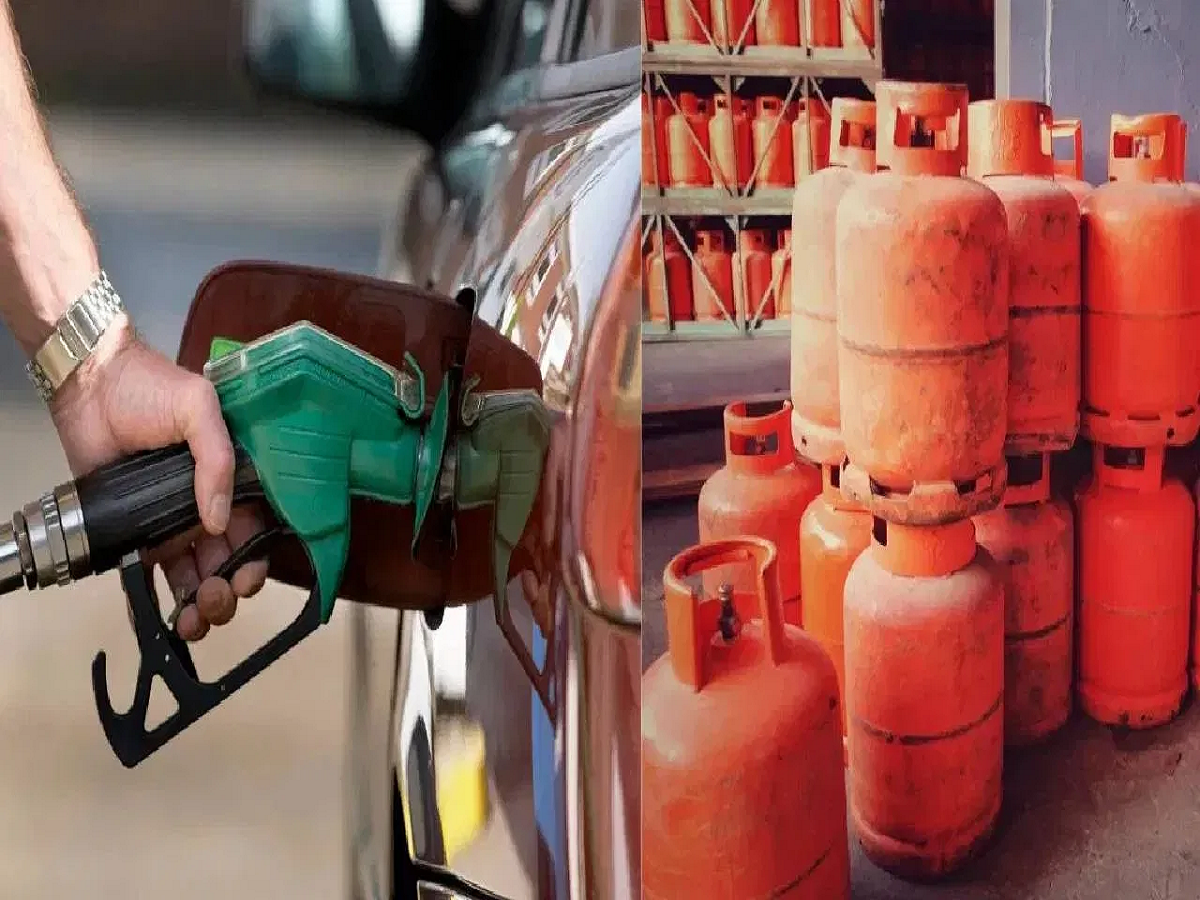
Reports emerging on Wednesday, April 29, 2026, have sparked widespread concern among commuters as India’s major Oil Marketing Companies (OMCs)—including IOCL, BPCL, and HPCL—face a staggering projected loss of ₹80,000 crore. While the financial strain on these energy giants is real, the government has moved quickly to address rumors of an imminent price hike at the fuel pumps.
The massive deficit is primarily attributed to "under-recoveries" on cooking gas (LPG) and the rising cost of crude oil driven by ongoing geopolitical tensions in West Asia.
Government Issues Clarification: No Immediate Hike
Following viral social media posts claiming that petrol and diesel prices would jump by over ₹10 per litre starting May 1st, the Ministry of Petroleum and Natural Gas has stepped in to clear the air.
-
Official Denial: Sujata Sharma, Joint Secretary of the Ministry, confirmed yesterday that there is no proposal currently under consideration to increase retail fuel prices.
-
Fact Check: The Press Information Bureau (PIB) has flagged several viral messages as fake news, urging citizens not to fall for speculative "price lists" circulating on messaging platforms.
-
Panic Buying: Despite the denial, some cities have reported long queues at petrol pumps as consumers fear a post-election price revision. The government has assured that there is no shortage and asked the public to avoid panic buying.
The Math Behind the ₹80,000 Crore Loss
The financial pressure on OMCs is a result of a widening gap between international purchase costs and domestic selling prices.
-
Crude Oil Surge: The Indian basket of crude oil is currently trading at approximately $112 per barrel.
-
Retail Losses: Analysts estimate that for every litre sold at current rates, oil companies are losing roughly ₹14 on petrol and ₹18 on diesel.
-
The LPG Burden: A significant portion of the ₹80,000 crore figure represents the subsidy burden on LPG, which the government and OMCs are absorbing to shield households from global energy inflation.
Status of Fuel Prices (As of April 29, 2026)
| Fuel Type | Trend/Status | Industry Impact |
| Petrol | Stable | Significant under-recovery for OMCs |
| Diesel | Stable | High losses per litre on commercial sales |
| LPG | Stable | Primary driver of the ₹80,000 Cr deficit |
| CNG | Marginal Increase | Slight hikes seen in early April in select cities |
Why Prices Are Being Held Steady
The decision to freeze prices despite heavy losses is a strategic move to curb inflation. Rising fuel costs directly impact the transportation of essential goods—from vegetables to the gold bars and coins currently seeing record demand.
By keeping petrol and diesel prices steady, the government aims to maintain economic stability, even as OMCs bear the brunt of the global oil spike. Much like the 17% hike in cigarette prices or the record high of ₹1.5 lakh per 10 grams of gold, a fuel hike would have a massive ripple effect on the Indian middle class's monthly budget.
The Bottom Line: While the oil companies' balance sheets are "in the red," your wallet is safe from a fuel hike for now. The government is prioritizing the "common man's" pocket over corporate profits in the current volatile global market.