BUSINESS
One Nation One Ration Card Update: This Government System Now Works Across India, Know What It Means for You
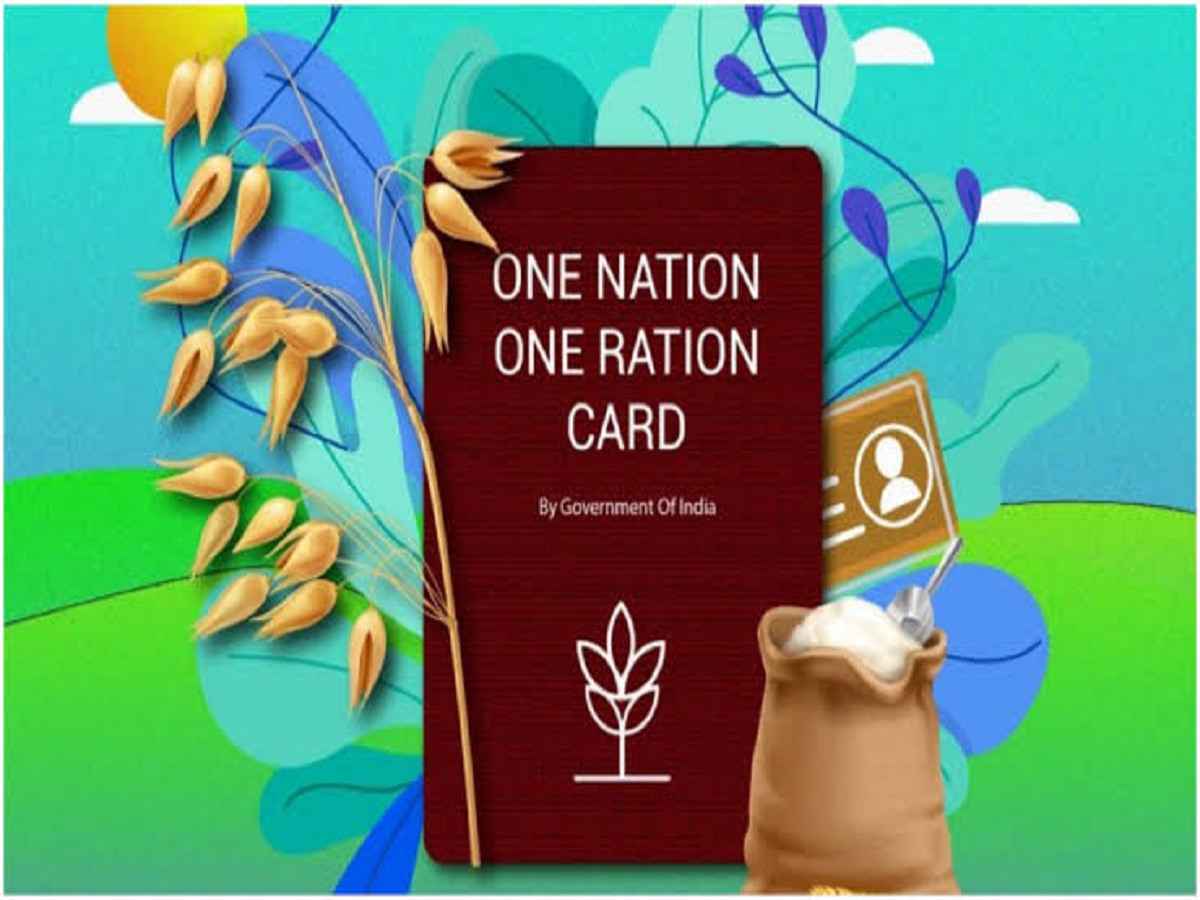
If you or your family depend on subsidised foodgrains under the public distribution system, the government's One Nation One Ration Card (ONORC) system has an important benefit that can make accessing ration easier when you move from one state to another.
According to the latest government information, ONORC is now operational across all 36 States and Union Territories. Around 99.9% of ration cards have been Aadhaar-seeded, while nearly 99.8% of Fair Price Shops are equipped with electronic Point of Sale (ePoS) machines.
What Is One Nation One Ration Card?
The ONORC system allows eligible beneficiaries to access their entitled foodgrains from Fair Price Shops outside their home location, subject to the applicable rules and authentication process.
This is particularly useful for migrant workers and families who move between states for employment, education, or other reasons.
Instead of being completely dependent on the ration shop linked to their original location, beneficiaries can use the portability facility at participating Fair Price Shops.
Aadhaar and ePoS Have Made the System More Digital
The government says approximately 99.9% of ration cards are now Aadhaar-seeded.
Nearly 99.8% of Fair Price Shops are also equipped with electronic Point of Sale machines, covering around 5.50 lakh outlets across the country. More than 98% of transactions under the system have been digitised.
These digital systems are intended to make authentication and distribution more transparent while reducing the possibility of duplicate or fraudulent beneficiaries.
Who Can Benefit the Most?
The system can be especially useful for people who frequently relocate.
For example, a worker from Bihar who moves to Rajasthan for employment may be able to access their eligible ration entitlement at a participating Fair Price Shop in the new location instead of having to return to their home village.
Similarly, families that temporarily move for work or other reasons can benefit from greater portability.
What Do You Need to Use the Facility?
The exact authentication process can depend on the beneficiary and the state system, but Aadhaar-based authentication is an important part of the digital ration distribution network.
Beneficiaries should keep their ration-card details and Aadhaar information updated and ensure that their details are correctly recorded in the public distribution system.
If authentication fails or there is a problem at a ration shop, beneficiaries can contact the relevant state food and civil supplies department or local grievance mechanism.
Why Is This Government Initiative Important?
India has a large population of workers who move between states. A ration system tied too closely to one location can create difficulties for families that are away from their registered address.
ONORC is designed to make food-security benefits more portable.
The government says the digitisation of the system has improved transparency and portability across the country.
Don't Assume Every Problem Is a Ration Card Issue
If a beneficiary is unable to receive ration at a particular shop, the reason could be related to authentication, connectivity, stock availability, eligibility, or a technical issue.
Therefore, it is important to ask the Fair Price Shop operator or the relevant food department about the specific reason rather than assuming that the ration card has been cancelled.
The Bottom Line
The One Nation One Ration Card system has now expanded across all 36 States and Union Territories, making ration portability easier for eligible beneficiaries across India.
With almost all ration cards Aadhaar-seeded and nearly all Fair Price Shops equipped with ePoS machines, the government's ration distribution system is becoming increasingly digital.
For migrant workers and families that frequently change locations, the biggest advantage is simple: eligible foodgrain benefits can be accessed with greater portability instead of being tied entirely to the place where the ration card was originally issued.