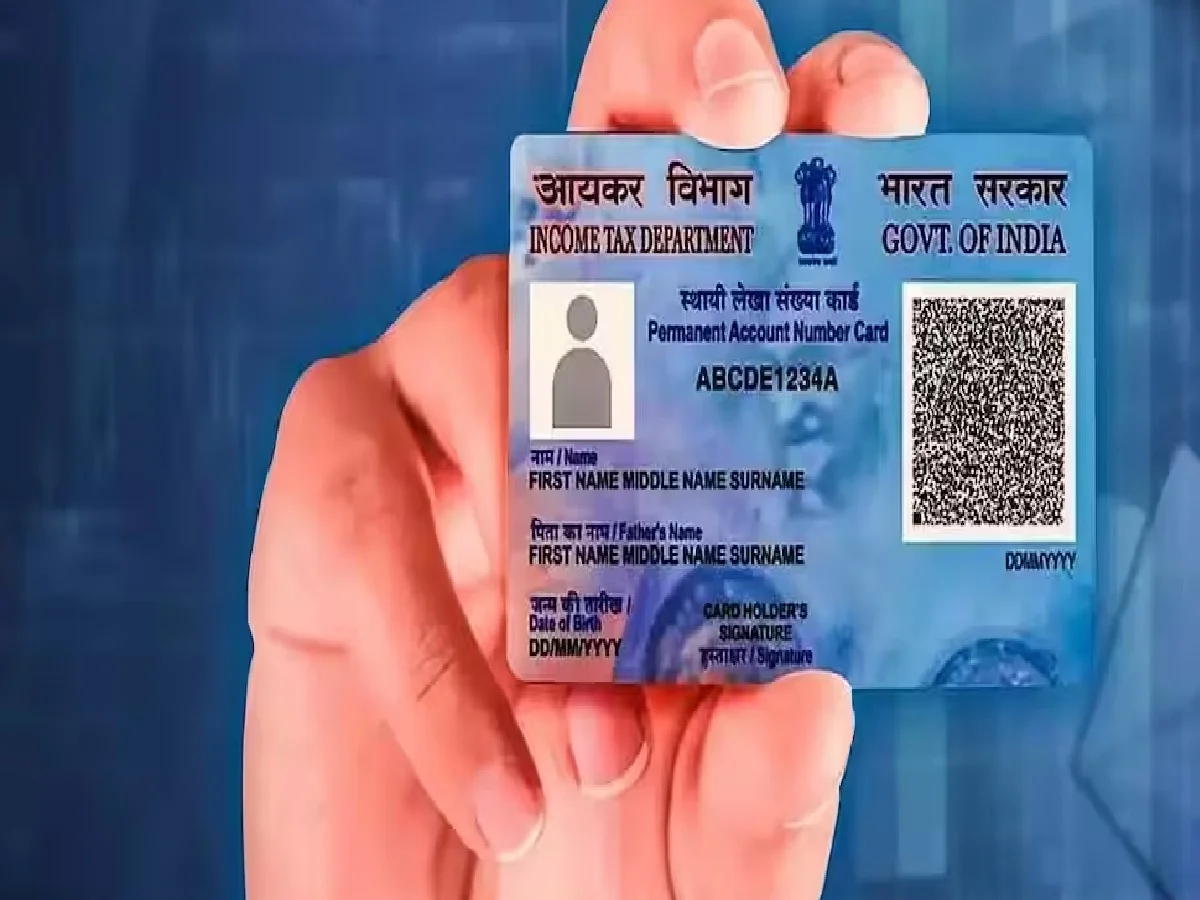
Applying for a PAN card in India has become more structured following the introduction of new application forms from April 1, 2026. The changes have been introduced under the Income Tax Act, 2025 and the Income Tax Rules, 2026, with separate forms for individuals, businesses and foreign applicants.
The update is important for anyone planning to apply for a new PAN card, as well as businesses and organisations handling tax-related documentation.
What Has Changed From April 1, 2026?
Previously, Indian individuals and entities generally used Form 49A, while foreign applicants used Form 49AA.
Under the revised system, these applications have been divided into separate categories:
-
Form 93: For individual Indian citizens.
-
Form 94: For Indian companies and other entities.
-
Form 95: For individuals who are not Indian citizens.
-
Form 96: For entities incorporated or formed outside India.
The purpose of this restructuring is to make the application process more specific by collecting information relevant to each applicant category. <Cite refs={["turn888761search3","turn888761search14"]}/>
Do Existing PAN Card Holders Need to Apply Again?
No. Existing PAN holders do not need to apply for a new PAN simply because the application forms have changed.
The Income Tax Department has clarified that existing PAN and TAN numbers remain valid. The new forms apply to fresh applications submitted from April 1, 2026.
Applications that were pending as of March 31, 2026, also remain valid and do not need to be submitted again under the new system. <Cite refs={["turn888761search0","turn888761search12"]}/>
How Can You Apply for a New PAN Card?
Indian citizens can apply through the authorised PAN service providers, including Protean eGov and UTI Infrastructure Technology and Services Limited (UTIITSL).
The general process involves:
-
Visiting an authorised PAN application portal.
-
Selecting the appropriate application category.
-
Filling in the prescribed form.
-
Providing the required identity and address documents.
-
Completing the applicable payment and verification process.
-
Tracking the application status through the service provider.
Applicants should ensure that they have not already been allotted a PAN before submitting a fresh application. <Cite refs={["turn888761search2","turn888761search3"]}/>
What About PAN Card Corrections?
The revised system also provides separate correction forms:
-
Form CR-01: For changes or corrections in an individual's PAN details.
-
Form CR-02: For changes or corrections in the PAN details of non-individual entities.
This allows applicants to use the appropriate process when correcting information instead of applying for an entirely new PAN. <Cite refs={["turn888761search3","turn888761search5"]}/>
Will Your PAN Number Change?
No. The introduction of new application forms does not mean that existing PAN numbers will change.
A PAN remains a unique ten-character alphanumeric identifier issued by the Income Tax Department. Existing holders can continue using their PAN for applicable tax and financial activities.
Why Are These Changes Important?
PAN is an important document for income-tax filings, financial transactions and communication with tax authorities. A more clearly divided application system can help applicants identify the correct form and reduce confusion during submission.
The changes also reflect the transition to the Income Tax Act, 2025, which came into effect on April 1, 2026.
Conclusion
The revised PAN application system is an important update for taxpayers and new applicants in India. With separate forms for individuals, businesses and foreign applicants, the process has been reorganised to make applications more category-specific.
However, existing PAN holders do not need to worry about replacing their cards or changing their PAN numbers. They can continue using their existing PAN while following the applicable rules.