LIFESTYLE
Period Care Tips: What Women Should Keep in Mind During Menstruation, According to Experts
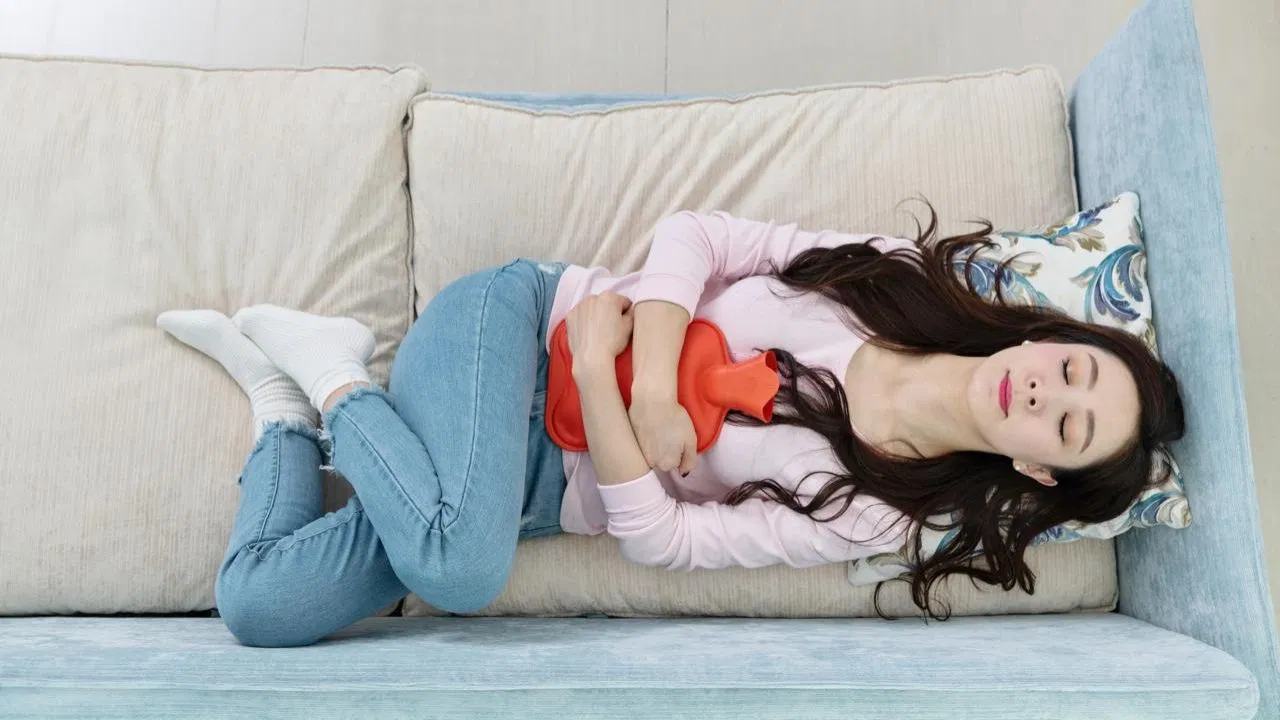
Periods are a natural biological process for women, yet they bring along several physical and emotional challenges. From hormonal changes to fatigue and abdominal pain, this monthly cycle often affects overall well-being. That is why proper care, nutrition, and hygiene during menstruation are extremely important. By following the right routine, women can manage discomforts such as cramps, mood swings, weakness, and energy loss more effectively. Additionally, good menstrual care helps prevent infections and other health complications.
Common and Abnormal Symptoms During Periods
While mild abdominal pain, weakness, and mood fluctuations are considered normal during periods, certain symptoms should never be ignored. These include:
-
Excessive bleeding beyond the normal flow
-
Abnormal discharge or foul smell
-
Severe abdominal pain not relieved by basic remedies
-
Frequent dizziness or persistent headaches
-
Irregular duration of periods (too short or too long)
Doctors explain that such signs may indicate hormonal imbalance, pelvic inflammatory disease, or infections. If these symptoms occur repeatedly, women must consult a gynecologist without delay. Timely diagnosis and treatment can prevent serious health issues.
Expert Advice on Menstrual Care
Dr. Saloni Chaddha, gynecologist at Safdarjung Hospital, emphasizes that women should pay special attention to diet, hygiene, and lifestyle during menstruation. According to her:
-
Balanced Diet: Include seasonal fruits, vegetables, whole grains, and adequate water in daily meals. Avoid overly spicy or heavy foods that may worsen bloating and stomach cramps.
-
Proper Hygiene: Change sanitary pads regularly and keep the genital area clean to reduce the risk of infections.
-
Adequate Rest: Ensure enough sleep and allow the body to recover. Maintaining a fixed bedtime and wake-up time helps stabilize hormonal balance.
-
Light Exercise: Gentle yoga, stretching, or walking can reduce cramps, improve blood circulation, and uplift mood.
-
Stress Management: Stay away from unnecessary stress and pressure. Mental calmness can make a big difference during periods.
Practical Self-Care Measures During Periods
Women can incorporate the following tips into their routine for a healthier menstrual cycle:
-
Stay Hydrated – Drink sufficient water to reduce bloating and maintain energy levels.
-
Avoid Overexertion – Heavy physical exertion can worsen cramps and fatigue, so limit strenuous activity.
-
Use Heat Therapy – Applying a hot water bottle or gentle massage on the lower abdomen can ease period pain.
-
Follow Medical Advice – If prescribed, take medicines or supplements only under a doctor’s guidance.
-
Don’t Ignore Warning Signs – Seek medical help immediately if experiencing unusual symptoms such as continuous heavy bleeding or unbearable pain.
Why Menstrual Care Should Not Be Ignored
Ignoring period-related health issues may lead to long-term complications such as anemia, hormonal imbalance, or reproductive system problems. Therefore, women must practice self-care and adopt healthy habits during this time. Proper menstrual hygiene, a nutritious diet, adequate rest, and regular medical check-ups form the foundation of good reproductive health.