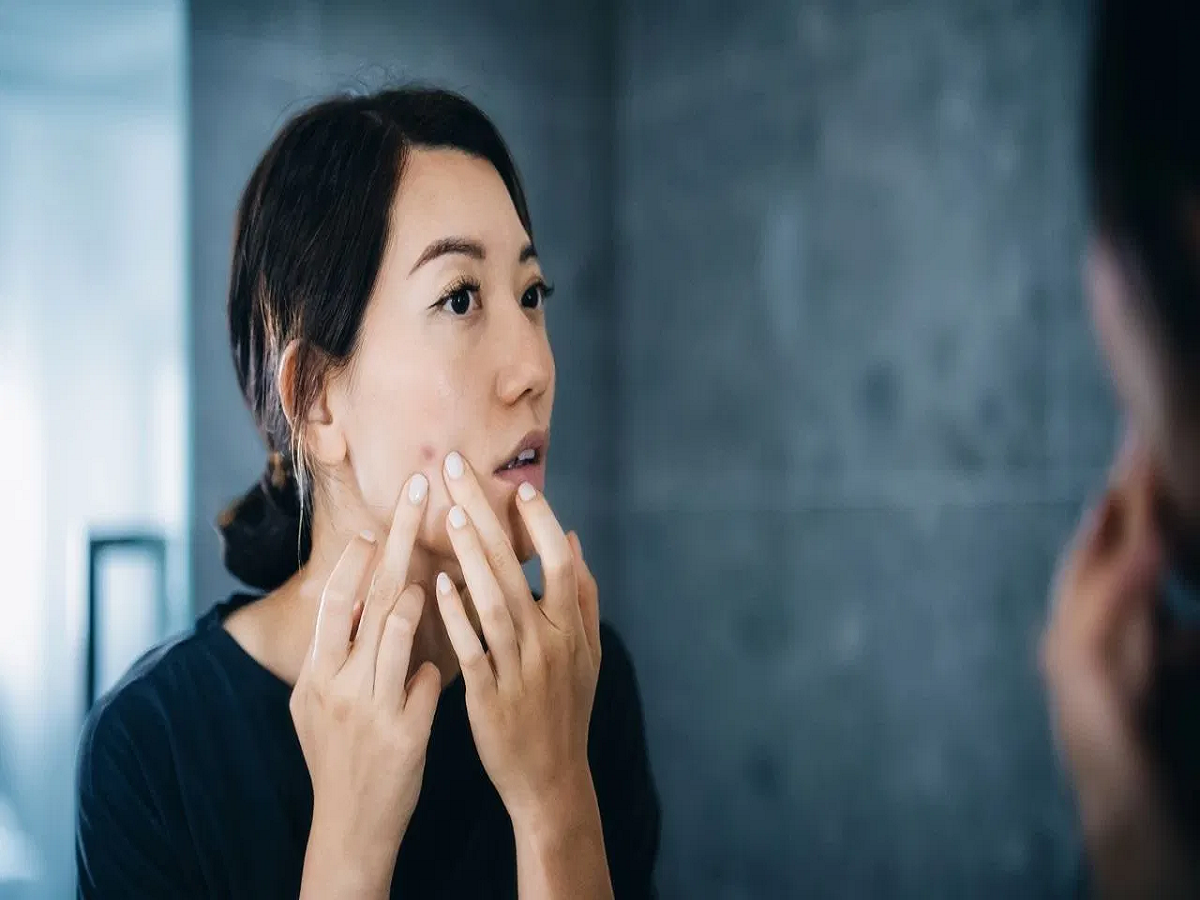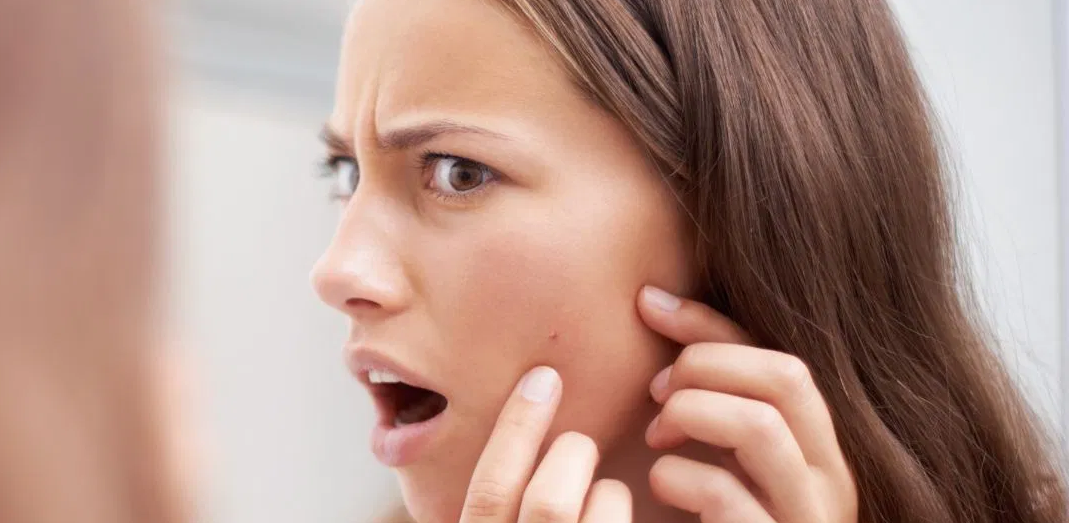
Everyone wants glowing, flawless skin, but lifestyle choices, pollution, and unhealthy eating habits often steal that natural radiance. Pimples are a common concern, and while many treat them with expensive creams or therapies, sometimes the root cause lies deeper—inside the body. Persistent acne can indicate digestive issues, hormonal changes, or other health problems. Here’s what the experts say about pimples appearing on different areas of your face.
Pimples on the Forehead
Dr. Sandeep Arora, Senior Consultant Dermatology at Apollo Spectra Hospital, explains that forehead acne is often linked to digestive problems, especially liver and gastrointestinal imbalances. Unhealthy diets, excess fried food, or stress can lead to toxin buildup, resulting in pimples.
Pimples Around the Nose
Acne near the nose may indicate heart-related concerns, such as high blood pressure or cholesterol. This area is connected to blood circulation and the nervous system, so persistent pimples here should not be ignored. Consulting a specialist is recommended if the problem continues.
Pimples on the Cheeks
Cheek acne is frequently related to respiratory or lung issues, especially in people who smoke or are exposed to heavy pollution. Poor hygiene, allergies, or environmental factors can also contribute to pimples in this area.
Pimples Around the Chin
Chin acne is commonly linked to hormonal imbalances, particularly in women during menstruation or pregnancy. Hormonal fluctuations increase oil production, clogging pores. Stress can also trigger pimples in this area.
How to Take Care of Your Skin
Dr. Arora emphasizes that lifestyle and dietary changes are key to managing acne:
-
Eat a balanced diet: Include fresh fruits, vegetables, and nutrient-rich foods.
-
Stay hydrated: Drink enough water daily to maintain healthy skin and overall health.
-
Sleep well: Aim for 7–8 hours of sleep each night.
-
Manage stress: Regular exercise and mindfulness can help reduce stress-induced acne.
-
Maintain skin hygiene: Cleanse your face gently, and avoid harsh products.
If acne persists or worsens despite proper care, it could indicate an underlying health condition. Consulting a dermatologist or healthcare professional can help identify and address the root cause effectively.