TECH
Plasma Electric Stove Explained: Cook Without LPG Using Flame-Like Heat—Price, Features & Benefits
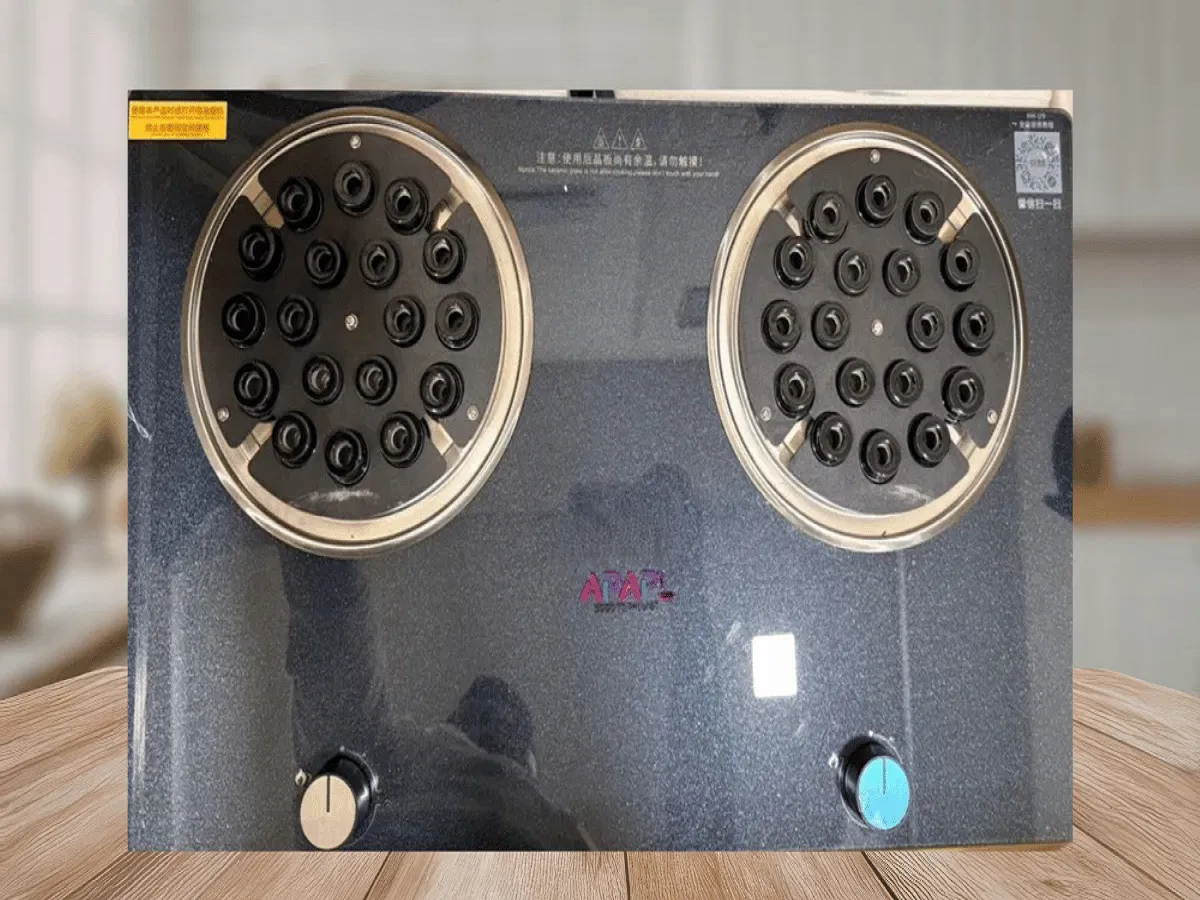
A New Era of Cooking Without LPG Begins
With rising LPG prices and a growing push toward clean energy, a new kitchen innovation is gaining attention in India—the Plasma Electric Stove. This next-generation appliance runs entirely on electricity but delivers a cooking experience similar to a traditional gas flame.
The technology recently gained spotlight after being mentioned by Pralhad Joshi, sparking interest among consumers and energy experts alike.
What Is a Plasma Electric Stove?
A Plasma Electric Stove is a modern cooking device that does not use any fuel like LPG. Instead, it operates on electricity and uses plasma technology to generate heat.
- No gas cylinder required
- No combustion involved
- Clean and energy-efficient cooking
It creates a flame-like heat by ionizing air, offering a familiar cooking experience without actual fire.
How Does It Work?
The working mechanism is based on plasma generation:
- Electricity is used to ionize air
- This process creates a high-temperature plasma flame
- Temperatures can reach 1200–1300°C
- Instant heating, similar to LPG
This allows users to perform everyday cooking tasks like making rotis, frying, and tempering (tadka) with ease.
How Is It Different from LPG and Induction?
Compared to LPG Stove:
- No gas leakage risk
- No smoke or harmful emissions
- No dependency on cylinders
Compared to Induction Cooktop:
- Visible flame-like heat
- Works with all types of utensils (steel, aluminum, iron)
- More traditional cooking feel
The plasma stove combines the visual and functional benefits of LPG with the clean energy advantage of electricity.
Key Features of Plasma Stove
- Gas-free cooking solution
- High efficiency and fast heating
- Auto shut-off for safety
- Overheat protection
- No soot or residue buildup
- Easy to clean and maintain
Price and Usage
- Estimated price: Around ₹35,000
- Suitable for homes, restaurants, hotels, and cloud kitchens
Additionally, if connected with solar power initiatives like PM Surya Ghar Yojana, it can enable completely gas-free cooking, reducing both costs and environmental impact.
Challenges to Adoption
Despite its advantages, the technology still faces some hurdles:
- Higher upfront cost
- Complete dependence on electricity
- Limited awareness among consumers
However, as adoption increases and costs reduce, it could become a mainstream solution.
Final Takeaway
The Plasma Electric Stove represents a significant step toward sustainable cooking in India. By combining efficiency, safety, and eco-friendliness, it has the potential to transform kitchens across the country.
While it may take time to replace LPG entirely, this innovation clearly points toward a cleaner, smarter, and gas-free future of cooking.