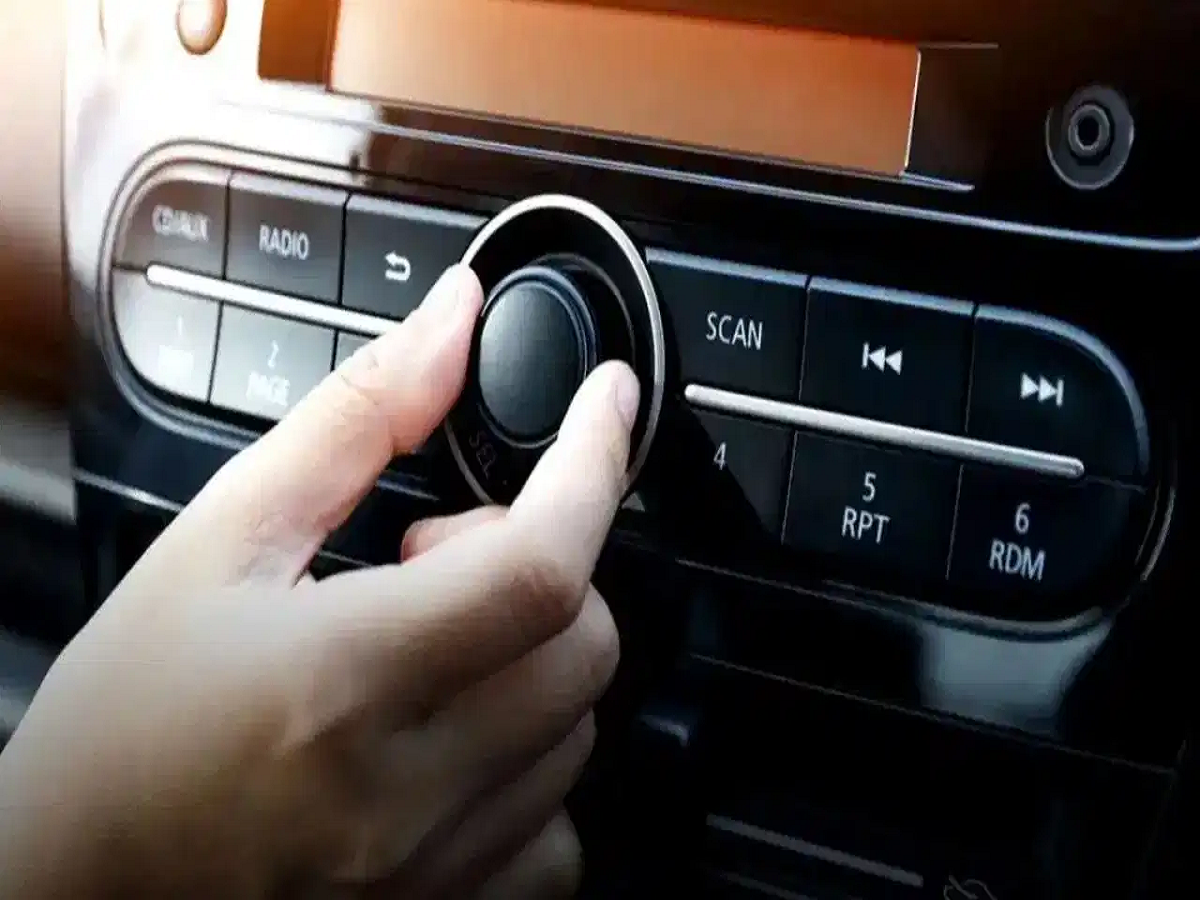
Listening to music while driving is a common way to make long journeys more enjoyable. But turning up the volume too high, opening the windows and blasting music on the road can create problems—not just for other people, but potentially for the driver as well.
Loud music can disturb people around you and may also attract action under traffic and noise-control regulations. It can also affect driving safety by making it harder to hear important sounds such as vehicle horns, ambulance sirens and fire-engine alarms.
So, what do the rules say, and how much could you potentially be fined?
How Much Can the Fine Be?
Noise-related violations can be dealt with under different laws depending on the circumstances and the applicable state or local regulations.
Section 190(2) of the Motor Vehicles Act provides for penalties relating to violations of prescribed vehicle noise and road-safety standards. The article states that the penalty can range from ₹1,000 to ₹10,000 for a first offence, although the exact action and amount can vary depending on the jurisdiction and nature of the violation.
If excessively loud music is considered to be interfering with safe driving and amounts to dangerous driving, police may also consider action under Section 184 of the Motor Vehicles Act.
Therefore, there isn't necessarily one fixed fine applicable to every case of loud music in a car.
Be Extra Careful Near Silence Zones
Drivers should be particularly careful around areas designated as silence zones, which can include locations around hospitals, educational institutions and courts.
Under India's Noise Pollution (Regulation and Control) Rules, prescribed ambient noise limits are stricter in silence zones. The commonly cited limits are 50 decibels during the day and 40 decibels at night.
If music from a vehicle is loud enough to be clearly heard outside the car, it can potentially create a noise-related issue, particularly in sensitive or restricted areas.
Can a Modified Music System Also Cause Trouble?
The sound system installed by a vehicle manufacturer is generally designed according to the vehicle's specifications.
However, modifications such as adding high-powered amplifiers, large subwoofers or additional speakers can increase noise levels significantly.
Before modifying a car's audio system, owners should ensure that the changes comply with applicable vehicle and noise regulations. Unauthorised or non-compliant modifications can potentially lead to enforcement action.
Why Is Extremely Loud Music Dangerous While Driving?
The issue isn't only about disturbing others.
Very loud music can make it difficult for drivers to hear their surroundings. Important sounds such as:
-
Car and motorcycle horns
-
Ambulance sirens
-
Fire-engine sirens
-
Police vehicle alerts
-
Other warning sounds
may become harder to detect.
This can reduce a driver's awareness of what is happening around the vehicle and potentially create a safety risk.
How to Avoid Problems
You don't have to stop listening to music while driving. A few simple precautions can help:
-
Keep the volume at a level that doesn't disturb people outside the car.
-
Avoid playing music loudly with the windows open.
-
Turn the volume down significantly near hospitals, schools, courts and other silence zones.
-
Don't use a sound system so loud that you cannot hear horns or emergency sirens.
-
If you modify your car's audio system, make sure the modifications comply with applicable regulations.
-
Always prioritise awareness of surrounding traffic over entertainment.
The Bottom Line
There is no need to give up music during a road trip, but excessive volume can create both a legal and safety issue. Keeping the volume at a reasonable level not only helps avoid potential penalties but also ensures that you can hear important sounds around your vehicle and remain alert while driving.