BUSINESS
PM Surya Ghar Yojana: Planning to Install Rooftop Solar? Here's How the Government Subsidy Can Help
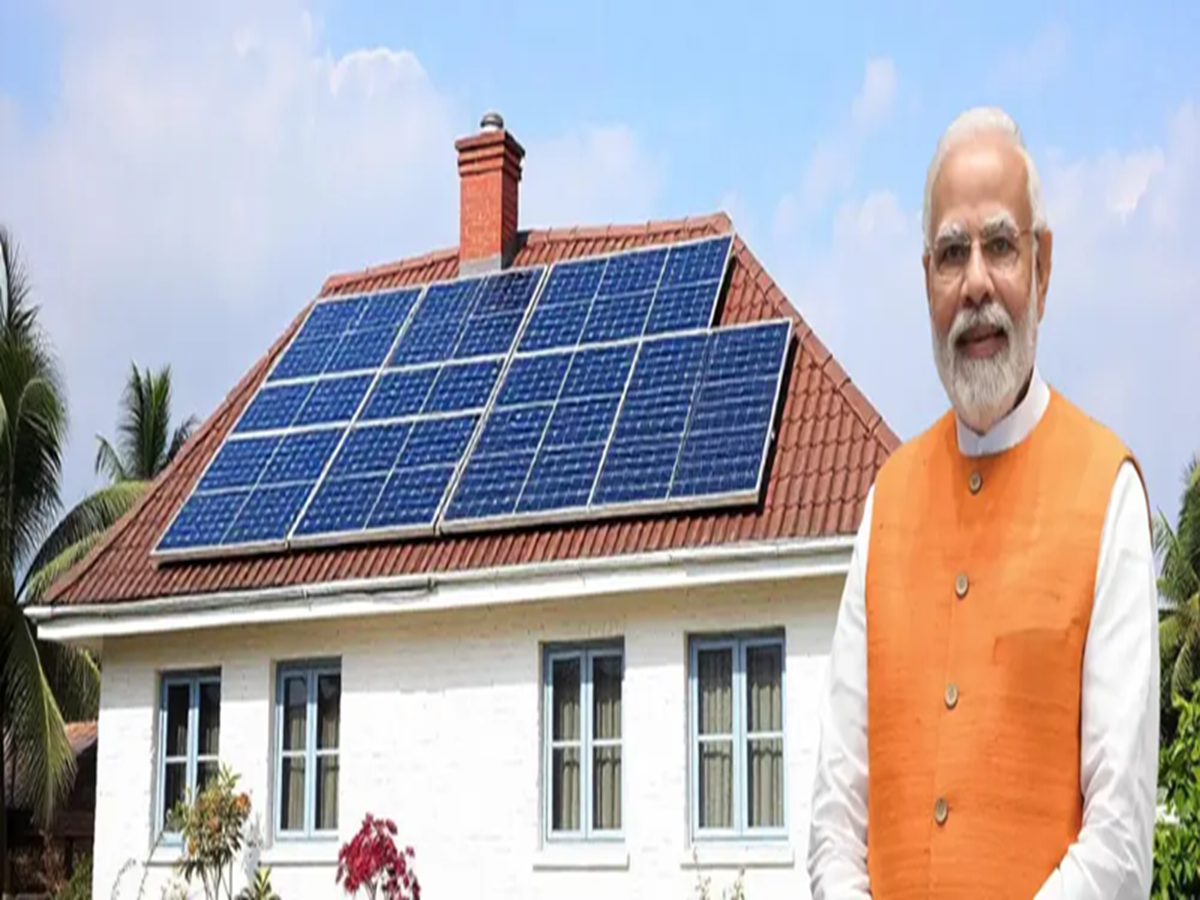
With electricity bills rising and interest in renewable energy growing, more homeowners are considering rooftop solar systems. To encourage this shift, the Central Government's PM Surya Ghar: Muft Bijli Yojana offers financial assistance to eligible households for installing rooftop solar panels.
If you're planning to generate your own electricity, understanding how the scheme works can help you make an informed decision.
What Is PM Surya Ghar: Muft Bijli Yojana?
The scheme aims to promote rooftop solar installations in residential homes across India by providing financial subsidies to eligible consumers. It is designed to reduce electricity expenses, encourage clean energy, and increase the use of solar power at the household level.
Eligible applicants can receive government support after installing an approved rooftop solar system through the prescribed process.
Who Can Apply?
The scheme is generally available to residential electricity consumers who:
- Own a house suitable for rooftop solar installation.
- Have a valid electricity connection.
- Meet the eligibility conditions specified under the scheme.
- Install the system through approved vendors and follow the official application process.
The exact eligibility may vary depending on the applicable guidelines.
Key Benefits of the Scheme
Homeowners who qualify under the scheme may benefit from:
- Government subsidy on rooftop solar installation.
- Lower monthly electricity bills.
- Reduced dependence on conventional power sources.
- Environment-friendly energy generation.
- Potential long-term savings over the life of the solar system.
Steps to Apply
Applicants generally need to:
- Register through the official PM Surya Ghar portal.
- Submit consumer and electricity connection details.
- Select an approved vendor.
- Get the rooftop solar system installed.
- Complete inspection and net-metering formalities.
- Receive the subsidy after successful verification, subject to the scheme guidelines.
Applicants should ensure that all information provided during registration is accurate to avoid delays.
Things to Check Before Installation
Before investing in rooftop solar, homeowners should consider:
- Whether the roof receives adequate sunlight.
- Available rooftop space.
- Structural strength of the building.
- Local DISCOM guidelines.
- Capacity suitable for household electricity consumption.
Proper planning can improve the efficiency and long-term performance of the solar system.
Why Rooftop Solar Is Becoming Popular
Apart from government support, rooftop solar offers several long-term advantages. It can reduce electricity costs, increase energy independence, and contribute to cleaner energy generation. As technology improves and installation costs continue to decline, more households are exploring solar power as a practical investment.