TECH
Pokémon GO players unknowingly helped build a 30-billion image database now training delivery robots
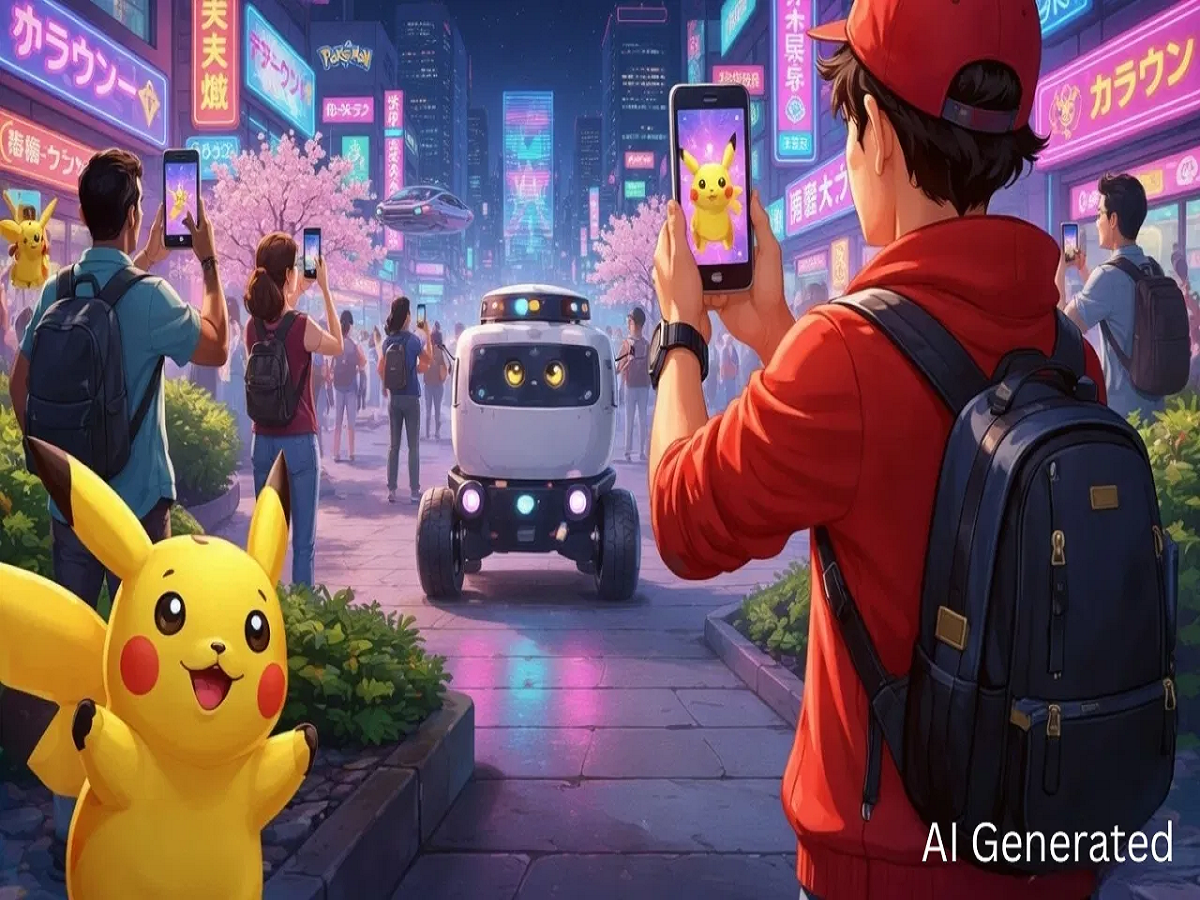
When the augmented reality game Pokémon GO was launched in 2016, it quickly became a global phenomenon. Millions of players roamed streets, parks, and historic landmarks searching for virtual Pokémon. However, while playing the game, users were also unknowingly contributing to something much larger — a massive real-world visual database.
Today, that data is reportedly being used to train autonomous delivery robots and create highly detailed digital maps of the world.
A massive data bank created by players
According to reports, more than 140 million players worldwide contributed to the creation of this enormous dataset. Whenever users captured Pokémon or scanned locations through the game, their smartphones recorded images, location data, camera angles, and movement information.
These scans were collected and stored by Niantic, the developer behind Pokémon GO. Over time, the information gathered from millions of devices formed a vast visual archive of real-world locations.
30 billion images used to build a 3D world map
Niantic says that its AR applications, including Pokémon GO, have collected more than 30 billion images from players around the world.
These images were captured at different times of the day, lighting conditions, and viewing angles. When combined with advanced mapping technologies, the images help create highly detailed 3D models of real-world environments.
This digital representation of the physical world is now being used in augmented reality research, robotics, and artificial intelligence development.
Training delivery robots with real-world data
One of the most significant uses of this data is in training autonomous delivery robots.
Robots that deliver packages need large amounts of visual information to understand roads, buildings, sidewalks, and obstacles. The dataset generated by Pokémon GO players provides real-world visual examples that help machines recognize locations and navigate complex environments more safely and accurately.
As a result, this data could play a key role in the future of automated delivery systems and smart robotics.
Debate over data usage
Despite the technological benefits, the development has also sparked a debate about user consent and data ownership.
Although Niantic says players agreed to data collection while using the game, some experts argue that using this information later for AI training and commercial technologies raises questions about informed consent.
Critics describe the process as a form of “invisible labor” in the AI era, where millions of users unknowingly help collect valuable data that could ultimately be worth billions of dollars.