QR codes have become a part of everyday life in India. From paying at shops and restaurants to accessing menus, downloading apps and opening websites, scanning a QR code has become almost automatic for many smartphone users. But the convenience also creates an opportunity for scammers to trick people into visiting fraudulent websites or making unintended payments.
The important thing to remember is simple: a QR code is not automatically safe just because it appears on a legitimate-looking poster, message or screen.
A QR Code Can Open More Than a Payment Page
Many people assume that scanning a QR code always means sending money. In reality, a QR code can contain a website address, contact information, payment details or other data.
A fraudulent QR code could redirect you to a fake website designed to look like a bank, courier company, government portal or shopping website. The goal may be to convince you to enter passwords, card details, OTPs or other sensitive information.
Never Enter Your UPI PIN to Receive Money
One of the most important rules for digital payments is that a UPI PIN is generally required to authorise a payment, not to receive money.
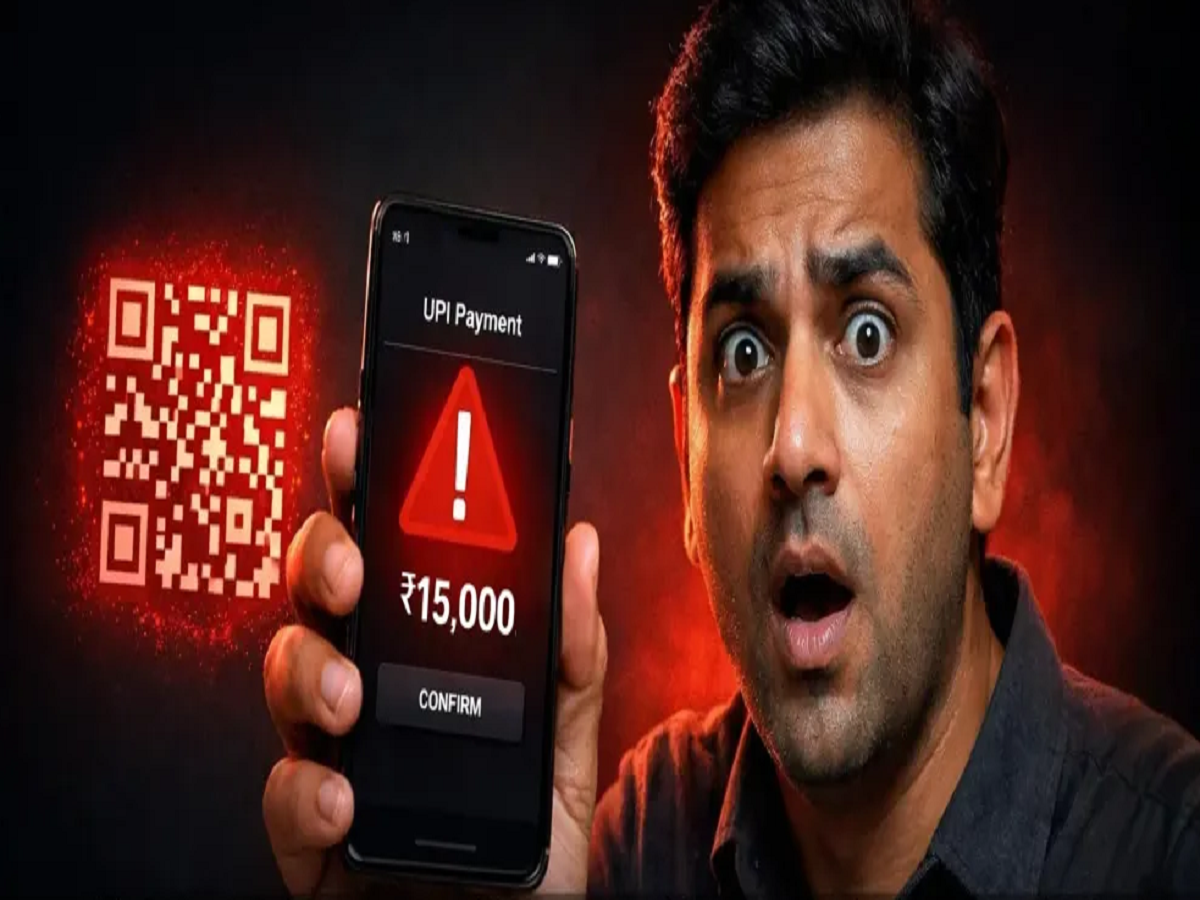
If someone tells you that you need to scan a QR code and enter your UPI PIN to receive a refund, prize, salary, cashback or payment, stop immediately.
The transaction screen should always be checked carefully before entering your UPI PIN.
Check the Name Before Making a Payment
When paying through a QR code, don't simply scan and immediately enter your PIN. Look at the recipient's name and verify that it is the person or business you actually intend to pay.
If the displayed name is unfamiliar or different from the expected merchant, cancel the transaction and confirm the details before proceeding.
This extra step takes only a few seconds but can prevent an incorrect payment.
Be Careful With QR Codes Sent on WhatsApp
Scammers can send QR codes through WhatsApp, SMS or email while pretending to represent a bank, courier company, online retailer or government department.
A message may claim that your account needs verification or that you are eligible for a refund. Instead of scanning the code, independently open the company's official website or app and check whether the claim is genuine.
QR Codes Can Also Be Placed Over Genuine Ones
Another potential problem occurs when criminals place a fraudulent QR code over a genuine payment code at a physical location.
Before making a payment, check the recipient's name displayed by your payment app. If the name does not match the shop or business, do not complete the transaction.
For businesses, it is also important to regularly inspect displayed QR codes and ensure that customers are paying the correct account.
What If You Have Already Made a Suspicious Payment?
If you believe you have been tricked into making an unauthorised or fraudulent digital payment, act quickly. Contact your bank or payment service provider immediately and report the transaction.
In India, financial cyber fraud can also be reported through the government's official cybercrime reporting channels. The faster a fraudulent transaction is reported, the sooner the relevant authorities and financial institutions can begin the process of addressing it.
Five Seconds of Checking Can Protect Your Money
QR codes themselves are not dangerous. They are simply a convenient way of encoding information. The risk comes from blindly trusting what the QR code leads to or authorises.
Before scanning an unfamiliar code, check where it came from. Before paying, verify the recipient's name and amount. And most importantly, never share your UPI PIN, OTP or banking credentials with anyone claiming that they are required to receive money.
A QR code can be scanned in a second, but taking a few seconds to verify it could save you from a much bigger problem.