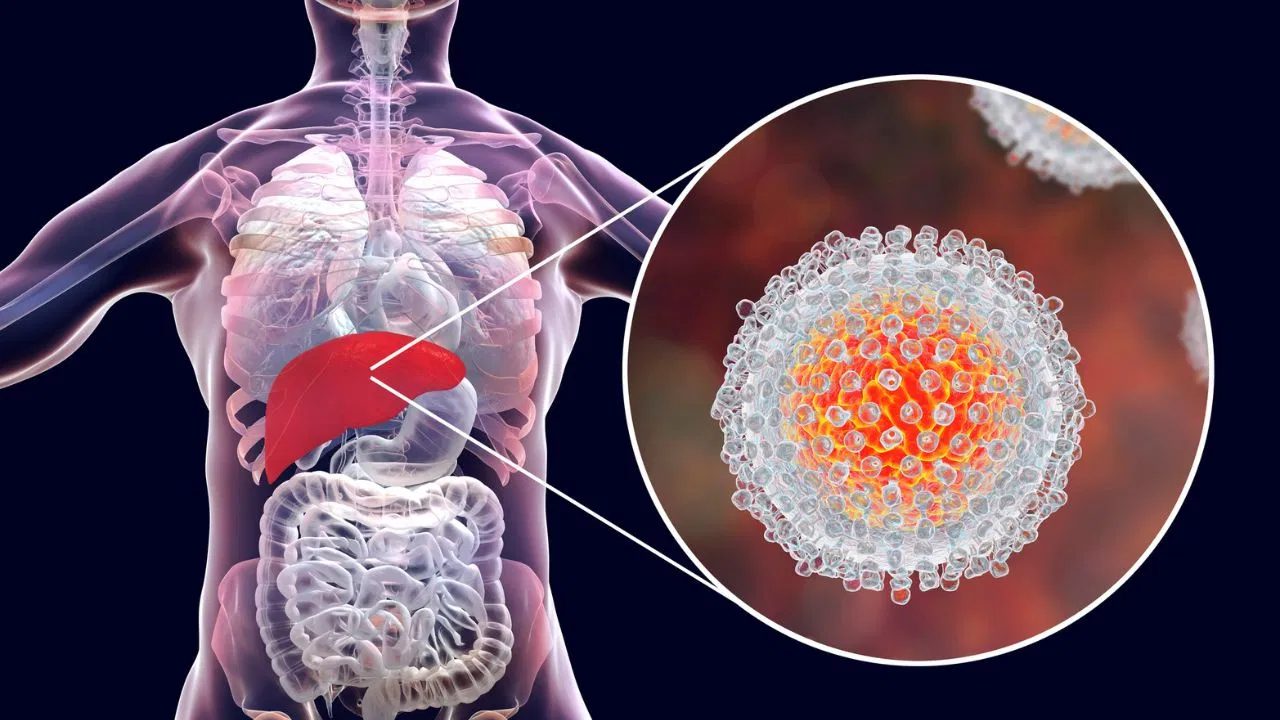
If you've recently received a blood report showing elevated SGOT or SGPT levels, you're not alone in feeling concerned. These two enzymes are commonly tested to assess liver health, and high readings often leave people confused or anxious. So what do these numbers actually mean?
Let’s break it down — with expert insights from Professor L.S. Ghotkar from Lady Hardinge Hospital’s Department of Medicine.
What Are SGOT and SGPT?
-
SGOT: Serum Glutamic Oxaloacetic Transaminase
-
SGPT: Serum Glutamic Pyruvic Transaminase
These are enzymes normally present inside liver cells, involved in processing amino acids and helping the liver function properly. When the liver is healthy, only a small amount of these enzymes is released into the bloodstream.
When and Why Do SGOT and SGPT Increase?
If the liver is damaged or inflamed, due to disease, infection, or injury, the liver cells release more of these enzymes into the blood.
Common causes include:
-
Liver diseases: Hepatitis, fatty liver, cirrhosis, liver cancer
-
Alcohol abuse: Chronic alcohol intake can inflame and damage liver cells
-
Medications: Certain antibiotics, painkillers, and cholesterol drugs
-
Fatty liver due to obesity
-
Other health conditions: Muscle injury, heart attack, kidney disease, viral infections
Normal vs Dangerous Levels (per liter of blood):
| Enzyme | Normal Range | Concerning | Serious |
|---|---|---|---|
| SGPT | 7–56 units | >200 | >500 |
| SGOT | 8–40 units | >200 | >500 |
Note: Don’t self-medicate. High levels require medical evaluation.
Symptoms of Elevated SGOT/SGPT:
High enzyme levels often don’t cause symptoms themselves, but they indicate underlying liver issues. Watch out for:
-
Pain in the upper right abdomen
-
Yellowing of eyes and skin (jaundice)
-
Fatigue and weakness
-
Loss of appetite and unexplained weight loss
-
Dark-colored urine
What to Do If Your Levels Are High?
Professor Ghotkar emphasizes: Don’t panic — but take it seriously.
✅ Steps to follow:
-
Consult a liver specialist or general physician
-
Avoid alcohol and self-prescribed medicines
-
Follow up with further liver function tests or imaging if advised
Liver-Friendly Lifestyle Tips:
-
Diet: Add liver-boosting foods like:
-
Leafy greens, garlic, turmeric
-
Beetroot, walnuts, green tea
-
Fresh fruits (especially citrus and berries)
-
-
Avoid: Fried, oily, and processed foods; alcohol
-
Hydration & Sleep: Drink plenty of water and ensure 7–8 hours of sleep
-
Exercise: Regular physical activity helps reduce fat buildup in the liver
-
Stress Control: Practice meditation, yoga, or breathing exercises