ASTROLOGY
Shadashtak Yog 2026: Venus-Rahu Planetary Combination on August 1 May Bring Challenges for These 4 Zodiac Signs
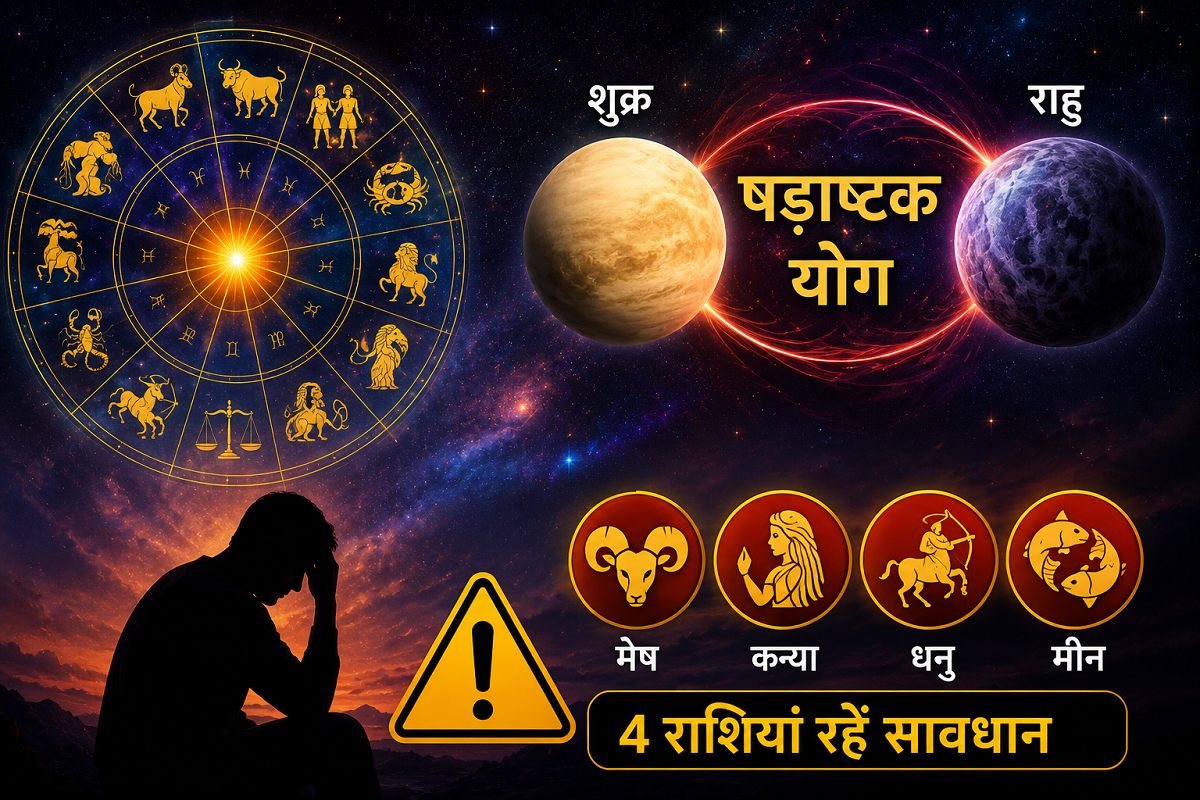
According to traditional Vedic astrology, Venus (Shukra), the planet associated with wealth, luxury, relationships, and material comforts, is expected to enter Virgo (Kanya Rashi) on 1 August 2026. Astrologers believe that during this transit, Venus will form a Shadashtak Yog with Rahu, which is positioned in Aquarius (Kumbh Rashi).
In Vedic astrology, a Shadashtak Yog refers to a sixth-eighth (6/8) relationship between two planets. This planetary combination is traditionally considered challenging, as it is believed to create obstacles, misunderstandings, delays, or unexpected situations in certain areas of life.
It is important to note that these predictions are based on astrological beliefs and traditions and are not supported by scientific evidence. Individual experiences may vary depending on a person's complete birth chart.
Here are the four zodiac signs that traditional astrologers suggest may need to remain more cautious during this planetary phase.
Taurus (Vrishabh)
Venus is the ruling planet of Taurus, making this transit particularly significant for people born under this sign.
According to traditional astrology, Taurus natives may experience:
-
Unexpected expenses that affect financial planning.
-
Delays in personal or professional matters.
-
Minor misunderstandings in relationships.
-
Increased mental stress due to work or family responsibilities.
Astrologers often advise avoiding impulsive financial decisions and maintaining patience during this period.
Leo (Singh)
For Leo natives, the Shadashtak Yog is believed to bring challenges related to finances and communication.
Possible areas of caution include:
-
Avoid unnecessary arguments at the workplace.
-
Be careful while making large purchases or investments.
-
Double-check important documents before signing.
-
Maintain calm during family discussions.
Careful planning and thoughtful decision-making may help reduce avoidable difficulties.
Virgo (Kanya)
Since Venus is transiting Virgo, people belonging to this zodiac sign may feel the effects of the planetary movement more strongly, according to traditional astrological interpretations.
Possible influences include:
-
Increased workload and responsibilities.
-
Confusion while making important decisions.
-
Temporary fluctuations in confidence.
-
Minor health-related concerns caused by stress or an irregular routine.
Maintaining a balanced schedule and avoiding overwork are commonly suggested during this phase.
Aquarius (Kumbh)
With Rahu already positioned in Aquarius, traditional astrologers believe this planetary combination may influence Aquarius natives in several ways.
They recommend paying attention to:
-
Financial management and unnecessary spending.
-
Professional relationships and teamwork.
-
Emotional reactions during stressful situations.
-
Long-term planning before making major commitments.
Remaining patient and avoiding impulsive actions are often considered beneficial.
Traditional Astrological Suggestions During Shadashtak Yog
Followers of Vedic astrology commonly recommend the following practices during challenging planetary combinations:
-
Avoid making major financial decisions in haste.
-
Stay patient when facing delays or unexpected changes.
-
Focus on maintaining healthy relationships through clear communication.
-
Follow a disciplined daily routine.
-
Engage in meditation, prayer, or spiritual practices if they align with your personal beliefs.
The Bottom Line
According to traditional Vedic astrology, the Venus-Rahu Shadashtak Yog forming on 1 August 2026 may create temporary challenges for Taurus, Leo, Virgo, and Aquarius. Astrologers believe the period calls for greater caution in financial matters, relationships, and important decisions.
However, astrology offers symbolic interpretations rather than guaranteed outcomes. Individual experiences depend on many factors, including a person's complete horoscope and life circumstances.
Disclaimer: This article is based on traditional astrological beliefs and interpretations. Astrology is not scientifically proven and should not be considered a substitute for financial, medical, legal, or professional advice.