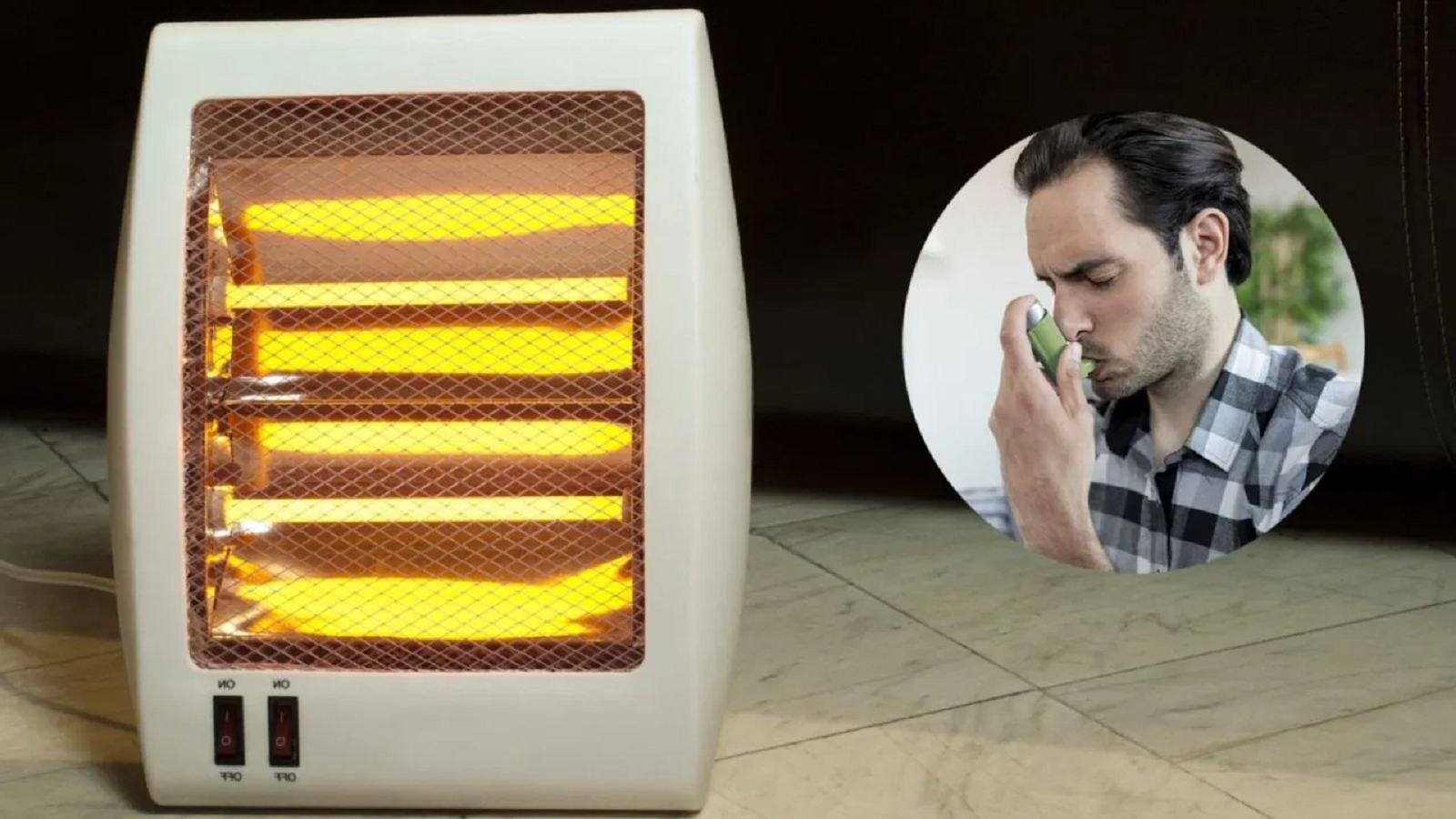
As December sets in, temperatures have begun to drop across many parts of the country. With the cold intensifying, households will soon rely more on heaters for warmth. While heaters offer comfort in winter, they may not be suitable for everyone—especially people with asthma, allergies, or chronic respiratory conditions.
According to experts, prolonged heater use lowers humidity indoors, drying out the air. This can lead to skin and eye irritation, nasal blockage, headaches, and dehydration. Some people may also experience fatigue, disturbed sleep, or irritability. Children, older adults, and individuals with heart disease or high blood pressure are even more sensitive to these effects. This makes it important to understand how long and in what manner heaters should be used.
Are heaters safe for people with asthma or respiratory problems?
Dr. L. H. Ghotekar, Head of Medicine at Lady Hardinge Hospital, explains that heaters can pose additional risks for those with asthma and breathing disorders. Warm air from heaters reduces moisture in the room, making the environment dry. This dryness can irritate the airways and trigger coughing, wheezing, breathlessness, and asthma flare-ups.
Heater use can also increase the circulation of dust, pet dander, and other allergens within the room, which may immediately trigger symptoms in sensitive individuals. Running a heater in a closed, unventilated space further worsens the problem by reducing fresh oxygen and increasing stale, polluted air.
These factors make heaters particularly problematic for people who already have allergies or respiratory conditions. Dr. Ghotekar advises that such patients should avoid prolonged use of heaters. If the weather is extremely cold, they should limit heater usage to about 30 minutes at a time.
Tips for safe heater use, especially for asthma patients
• Switch off the heater every 20–30 minutes and allow fresh air to enter the room.
• Use a humidifier or keep a bowl of water in the room to maintain moisture levels.
• Avoid placing the heater too close to your body, and do not set the temperature very high.
• Do not leave the heater running for long periods while sleeping.