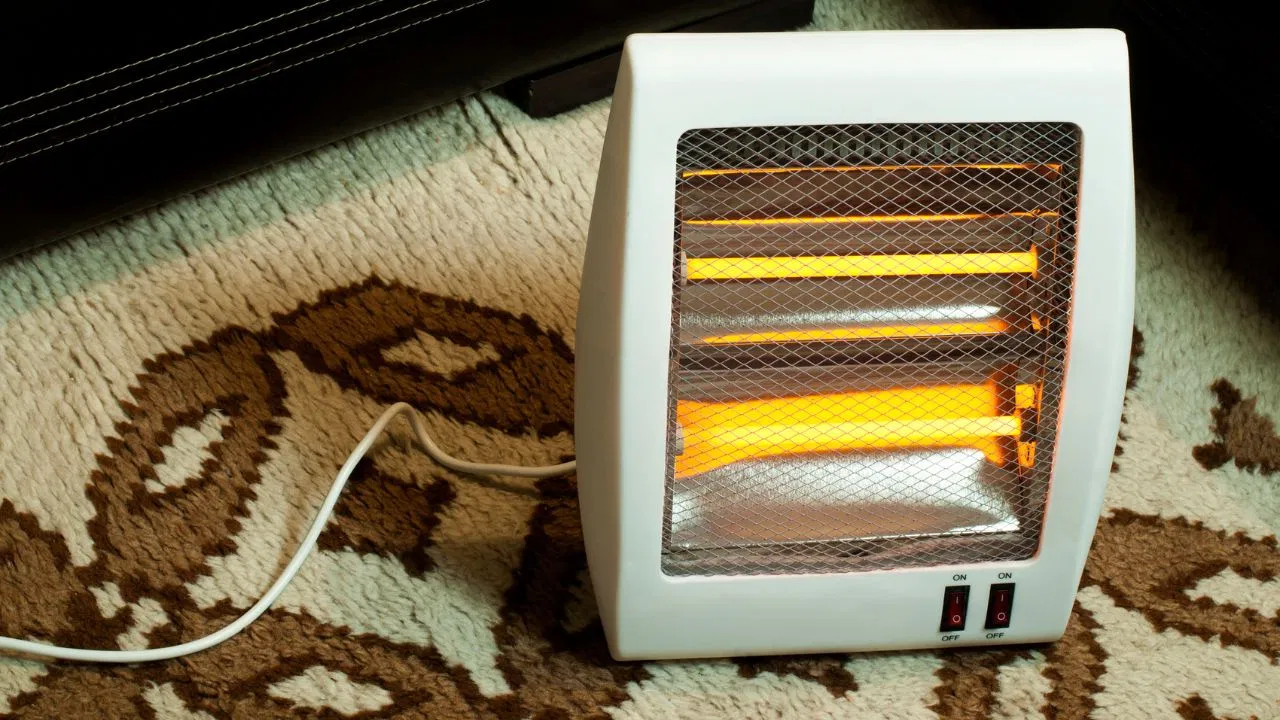
During winter, temperatures drop sharply, and many people prefer sleeping with the heater on to stay warm. Cold rooms can make it harder to fall asleep and often lead to morning fatigue. Heaters provide quick comfort, which is why they are frequently used—especially by children, the elderly, and people suffering from colds or coughs. However, keeping the heater on while sleeping can trigger several health issues. Here's what you need to know.
How Sleeping with a Heater Affects Your Health
Running a heater for long hours significantly reduces humidity in the room. This dry air can cause:
• Dry skin, cracked lips, and a dry throat
• Mild dehydration
• Nasal dryness and irritation
• Itchy or watery eyes
• Breathing difficulties
Continuous exposure to dry air may worsen headaches, dizziness, and fatigue. For people with asthma, allergies, or existing respiratory problems, the effects can be even more harmful. Sleeping in extremely dry air over time may also disrupt sleep quality.
What Doctors Recommend
According to Dr. Subhash Giri from RML Hospital’s Department of Medicine, using a heater while sleeping is not harmful—provided you use it correctly. Maintaining moisture in the room is crucial. He recommends placing a bucket of water or using a humidifier near the heater to prevent excessive dryness.
He also suggests limiting heater use to low mode or using a timer instead of keeping it on full power all night. Applying moisturizer before bed, increasing water intake, and keeping a bit of ventilation in the room also help reduce the risk of dehydration and dryness. People with asthma or allergies should be especially cautious.
Essential Safety Tips for Using a Heater at Night
• Keep a bucket of water or a humidifier in the room
• Use low mode or set a timer instead of running the heater on high
• Apply a light moisturizer before sleeping
• Drink enough water throughout the day
• Maintain gentle airflow or ventilation in the room
• Limit prolonged heater use in rooms of children and elderly individuals