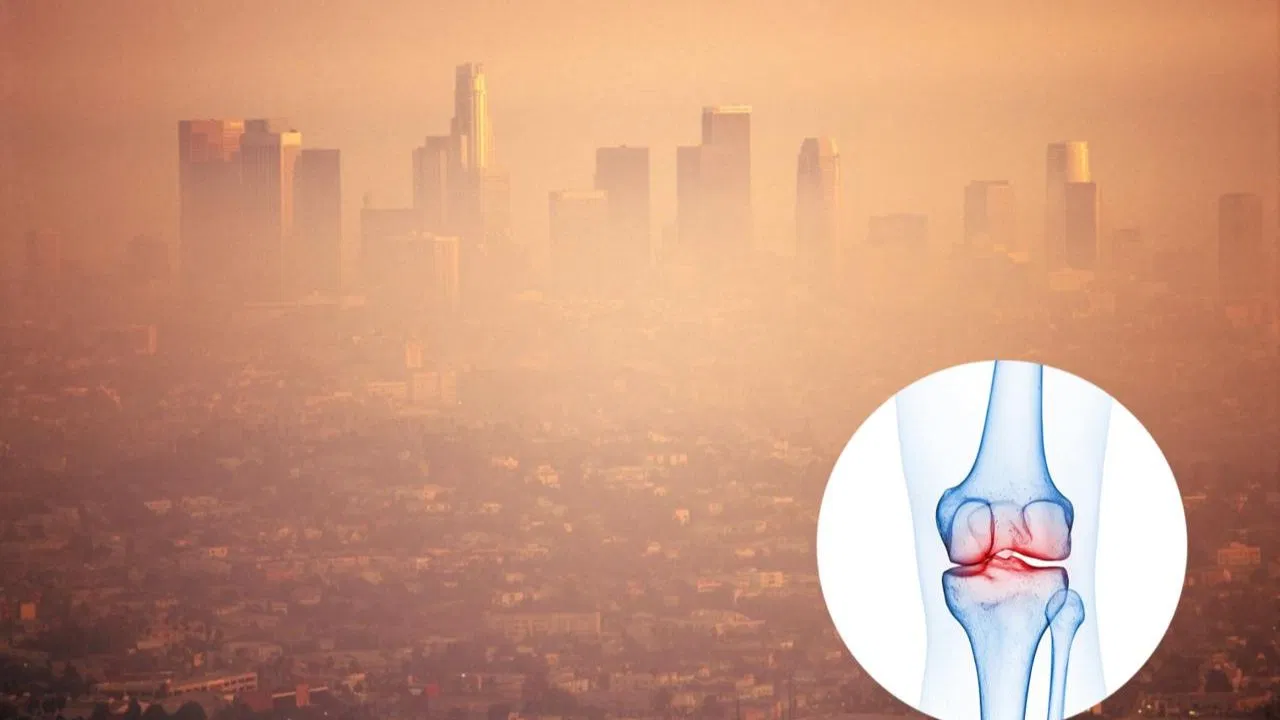
Air pollution has become a major health crisis, especially in Delhi–NCR, and its impact is going far beyond respiratory problems. According to experts at AIIMS, New Delhi, tiny particles present in polluted air—particularly PM2.5—are now affecting the body's immune system and contributing to bone and joint diseases. These particles may trigger or worsen rheumatoid arthritis, joint inflammation, and overall bone weakness.
Dr. Uma Kumar, Head of Rheumatology at AIIMS Delhi, says that many illnesses are linked to immune system malfunction, and rheumatoid arthritis is one of them. Increasing pollution levels, especially during winter, are now linked to a rise in rheumatoid arthritis cases in the city.
Patients in Delhi see worsening symptoms every winter
Dr. Kumar explains that rheumatoid arthritis patients in Delhi experience a noticeable worsening of symptoms during the winter each year. Even those who remain stable throughout the year report increased pain and stiffness during this season. One major reason for this seasonal spike is the sharp rise in air pollution levels in winter.
How pollution harms joints
Dr. Uma explains the mechanism clearly:
-
When we breathe polluted air, PM2.5 particles enter the lungs.
-
From the lungs, they easily enter the bloodstream.
-
These particles travel through the body, causing oxidative stress and long-term inflammation.
-
This triggers immune imbalance, where the immune system mistakenly attacks healthy tissues.
-
This increases the risk of autoimmune diseases, including rheumatoid arthritis.
In people who already have rheumatoid arthritis, pollution makes symptoms worse. It also increases the risk for new patients.
People at highest risk
• Elderly individuals
• Women (rheumatoid arthritis is more common in women)
• People already suffering from rheumatoid arthritis
• Individuals with asthma, allergies, or weak immunity
Symptoms that pollution may worsen
• Persistent joint pain
• Difficulty walking or stiffness
• Back pain while bending
• Chronic tiredness or fatigue
How to protect yourself from pollution
• Avoid early morning walks when pollution levels are highest
• Wear a high-quality mask (N95/N99) when going outdoors
• Use an air purifier at home if possible
• Maintain a healthy diet with antioxidant-rich foods
Key takeaway
Pollution isn’t just harming lungs—it’s silently affecting bones, joints, and immunity. People with existing health conditions must take extra precautions, especially during winter, when pollution peaks.