LIFESTYLE
Spinal Problems vs. Knee Pain: AIIMS Doctor Explains How to Avoid Unnecessary Knee Replacements
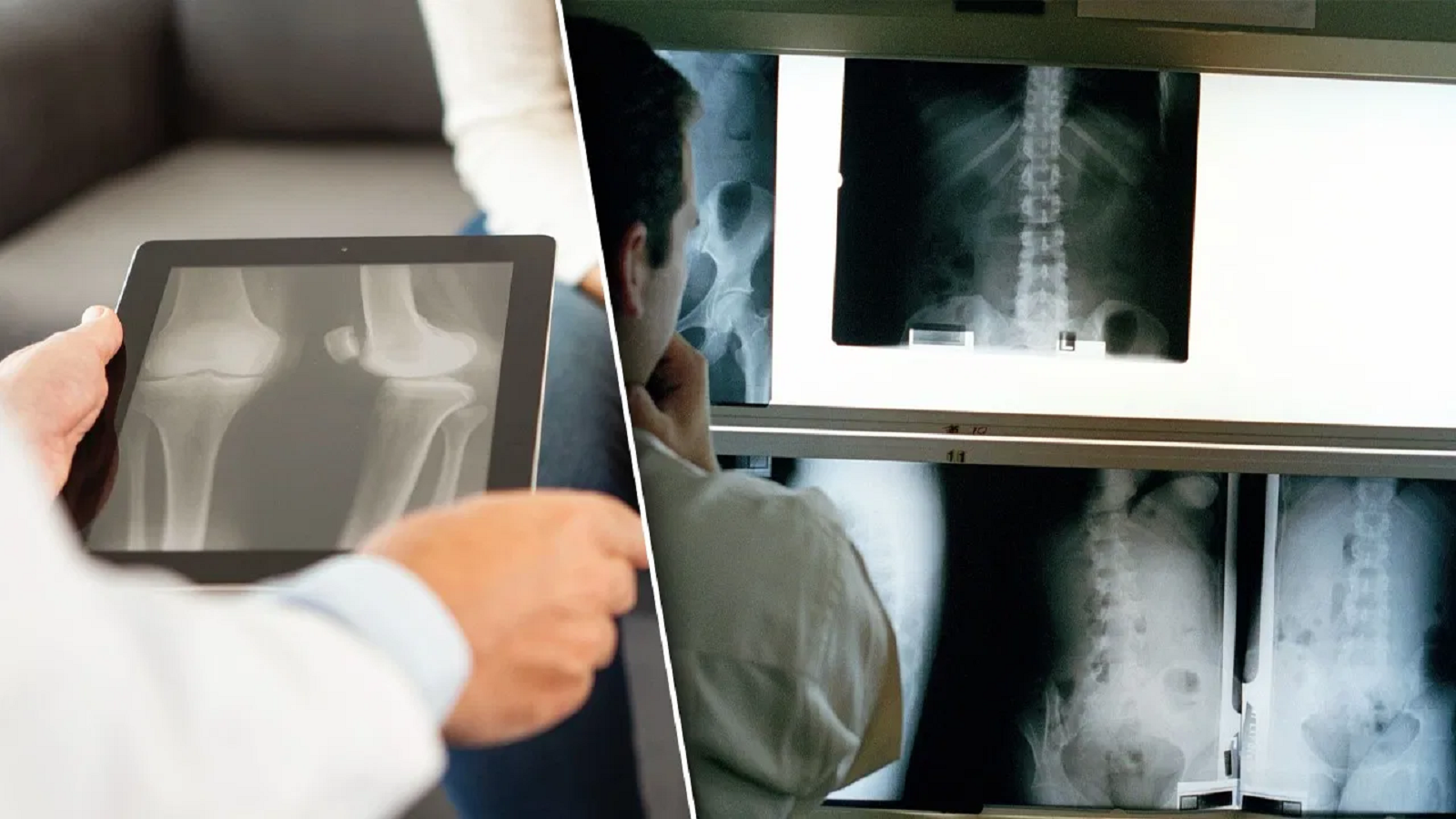
Suman, a 60-year-old resident of Preet Vihar, Delhi, had been struggling with persistent back and knee pain for several years. When medications failed to provide relief, she consulted a doctor at a private hospital. The doctor diagnosed her with depleted knee cartilage and recommended knee replacement surgery. Suman underwent the procedure, and while the pain eased temporarily, it soon returned.
Frustrated, Suman sought a second opinion at AIIMS, Delhi, where doctors conducted a thorough examination. Tests revealed that the root cause of her pain was not her knees but her spine. Compressed nerves in her lower spine were sending pain signals to her knees, a condition the private hospital had overlooked. After receiving spinal treatment at AIIMS, Suman’s pain finally subsided, highlighting the importance of correct diagnosis before undergoing major surgeries like knee replacement.
Unfortunately, cases like Suman’s are not isolated. AIIMS frequently sees patients who have undergone unnecessary knee surgeries when the underlying problem lies in the spine.
Why Misdiagnosis Happens
Dr. Bhavuk Garg, Professor in the Department of Orthopedics at AIIMS, explains that the spine plays a central role in maintaining posture and transmitting signals throughout the body. Problems in the spine can manifest as pain in the lower back, legs, and knees.
On the other hand, knee joint issues are usually caused by wear and tear, joint weakening, or aging, leading to swelling, pain, and difficulty walking.
However, both doctors and patients often misinterpret spinal pain as knee pain. This misdiagnosis can lead to unnecessary knee replacement surgeries, causing further complications instead of resolving the problem.
How to Identify Whether the Pain is from the Spine or the Knees
Dr. Garg suggests the following guidelines:
-
Knee Disease:
-
Swelling in the knee
-
Pain increases with movement, bending, or exercise
-
Pain worsens over time without rest
-
-
Spinal Problem:
-
Pain originates in the waist or lower back and radiates to knees or feet
-
Numbness or tingling in legs
-
Pain improves with rest
-
A proper physical examination and imaging tests are essential to differentiate between knee and spinal issues. Correct diagnosis ensures the patient receives the appropriate treatment and avoids unnecessary surgery.