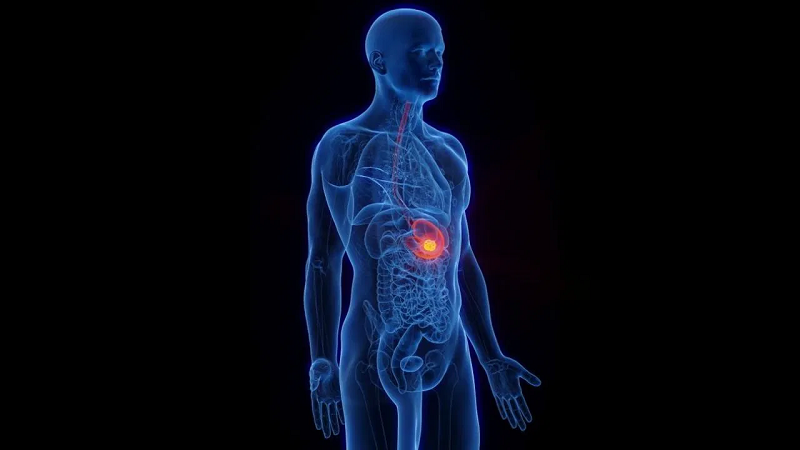
Cases of stomach cancer are rising steadily, raising concern about digestive health and lifestyle habits. Stomach cancer develops when cells in the stomach begin to grow abnormally, disrupting normal digestion and damaging surrounding tissues. Over time, this can lead to serious health complications.
At the same time, constipation has become a common problem due to poor diet, stress, and sedentary lifestyles. Many people wonder whether long-term constipation can affect stomach health or even contribute to serious conditions like stomach cancer. Here’s what experts say.
What causes stomach cancer?
According to Dr. L. H. Ghotekar from Lady Hardinge Hospital, stomach cancer occurs when stomach cells lose their normal growth pattern and begin multiplying uncontrollably. These abnormal cells gradually damage the stomach lining and may spread to nearby organs if not detected early.
Several factors can increase the risk of stomach cancer:
-
Increasing age
-
Family history of cancer
-
Frequent consumption of oily, spicy, and processed foods
-
Smoking and alcohol consumption
-
Infection with Helicobacter pylori (H. pylori) bacteria
-
Ignoring early symptoms such as persistent pain, indigestion, or loss of appetite
Doctors emphasize that lack of timely medical checkups and delayed diagnosis can cause the disease to progress rapidly.
Is constipation linked to stomach cancer?
Constipation refers to difficulty or infrequent passage of stool and can negatively affect overall digestive health. Long-term constipation can put pressure on the digestive system and interfere with normal stomach function. It may also increase the risk of internal inflammation and infections due to prolonged retention of waste in the body.
Experts clarify that constipation does not directly cause stomach cancer. However, chronic constipation can worsen digestive problems such as gas, bloating, acidity, and indigestion. Over time, these issues may create an unhealthy environment for stomach cells, indirectly increasing health risks if left untreated.
How to protect your stomach and gut health
Doctors recommend adopting healthy habits to reduce digestive problems and cancer risk:
-
Eat a fiber-rich diet including fruits, vegetables, and whole grains
-
Drink sufficient water throughout the day
-
Stay physically active with regular exercise
-
Limit processed, oily, and spicy foods
-
Avoid smoking and excessive alcohol
-
Consult a doctor promptly for persistent constipation or stomach-related symptoms