LIFESTYLE
Stop Eating Wheat Roti Every Day? From Diabetes to Weight Loss, Know Which Roti Suits Which Health Condition
Wheat roti has long been a staple in Indian households, providing energy and satiety across both rural and urban diets. However, nutrition trends are now shifting, with greater attention being paid to rotis made from alternative grains such as ragi, barley, millets and gram flour. According to Jaipur-based Ayurveda expert Dr Kiran Gupta, while wheat roti is not harmful, it also does not offer any specific therapeutic benefits when consumed daily.
Many alternative grains are richer in fibre, minerals and micronutrients, easier to digest, and better aligned with specific health goals. Choosing the right type of roti can help manage blood sugar, weight, digestion and even hormonal balance. Here is a guide to which roti works best for different health conditions.
Expert opinion on flour choices
Clinical nutritionist Khushi Chhabra explains that most people consume wheat roti out of habit, without realising that the choice of flour can significantly influence metabolism, gut health and disease management. Rotating flours instead of relying on wheat alone can deliver better nutritional outcomes.
Barley roti
Barley flour is rich in soluble fibre and selenium. It is especially beneficial for people with prediabetes, fatty liver or high cholesterol. Barley roti helps reduce belly fat, improves insulin sensitivity and supports liver and heart health. Those with gluten sensitivity should consume it only under expert guidance.
Ragi roti
Ragi is packed with calcium, iron and dietary fibre. Including ragi roti even twice a week can help stabilise blood sugar levels, strengthen bones and support weight management. It is particularly beneficial for people with diabetes and those aiming for weight loss.
Multigrain roti
Multigrain roti, made using combinations of ragi, jowar, barley and other grains, is a rich source of fibre, B vitamins and essential minerals. It improves gut health, supports fat loss and helps address nutrient deficiencies. It is suitable for people with PCOS and those trying to lose weight. Individuals with gluten intolerance should consult a specialist before consuming it.
Millet roti
Millet roti is high in iron, zinc and insoluble fibre. It helps maintain body warmth in winter and is effective in preventing anemia. It also boosts energy levels during colder months. People with anemia or high physical activity levels can benefit greatly from millet rotis. However, those with acidity or IBS should avoid them.
Bajra roti
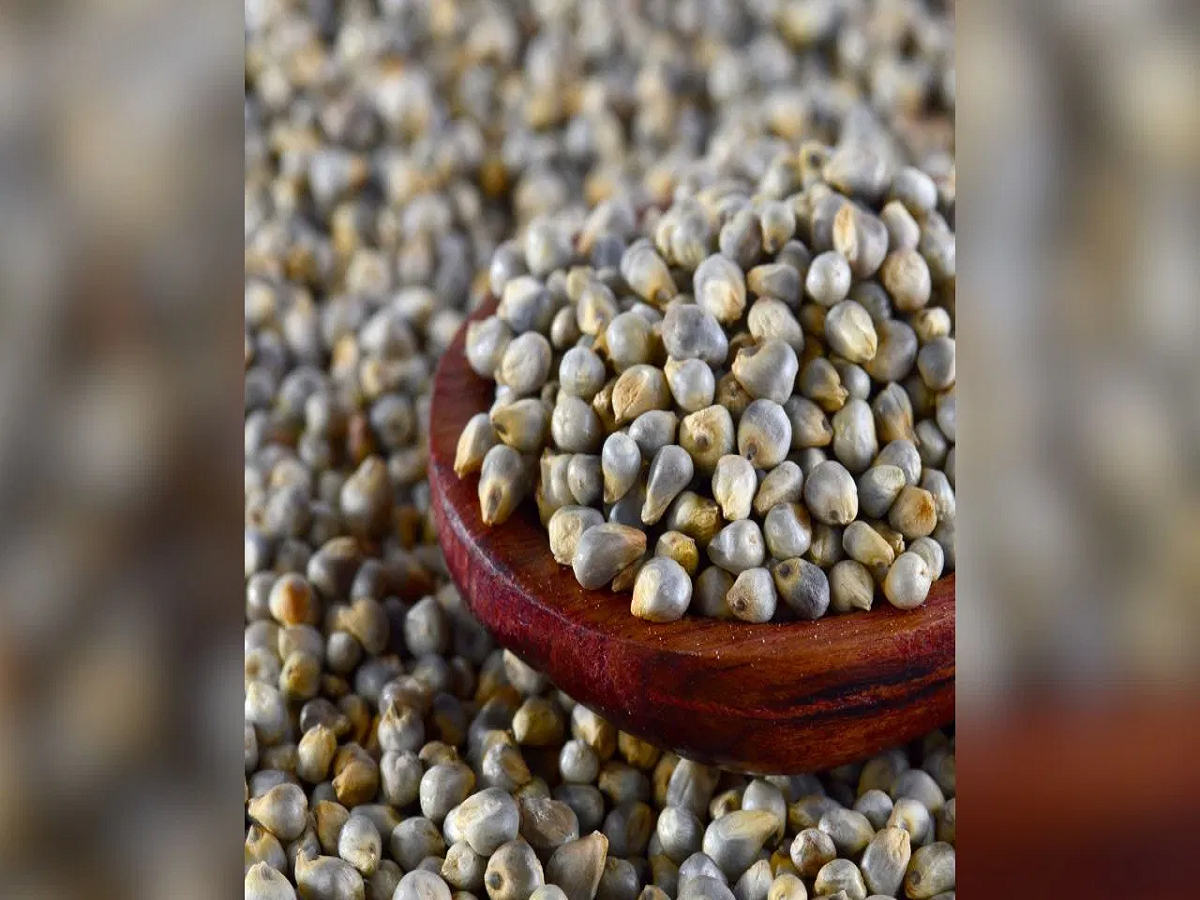
Bajra roti is commonly consumed in winter and supports sustained energy release. It is beneficial for people with anemia and those needing higher iron intake, though it should be avoided by individuals with sensitive digestion.
Gram flour roti
Gram flour, made from chickpeas, is rich in protein, fibre and folate. It improves insulin sensitivity, supports weight loss and helps balance blood sugar levels. It is ideal for people with diabetes, PCOS and those following weight-loss diets. To avoid gas or bloating, it is best to mix gram flour with wheat flour rather than consuming it alone.
Jowar roti
Jowar flour is among the highest in fibre and is gentle on the stomach. It is beneficial for people with bloating, high cholesterol or gluten sensitivity. It also contains magnesium and antioxidants. However, those with slow digestion or weak gut movement should consult an expert before including it regularly.
Soya roti
Soya roti is a high-protein option that supports muscle building, appetite control and hormonal balance. It is especially useful for gym-goers and those on high-protein diets. People with thyroid disorders should avoid consuming soy-based rotis.
Conclusion
While wheat roti can remain part of a balanced diet, relying on it every day may limit nutritional diversity. Rotating different flours based on individual health needs can improve digestion, metabolic health and overall well-being. The key lies in choosing the right roti for the right condition rather than following a one-size-fits-all approach.