Iran has once again indicated restrictions on the Strait of Hormuz, one of the world’s most critical oil transit routes. The move comes amid escalating tensions with the United States over sanctions and military pressure.
Why Iran Took This Step
Iran says it will not fully reopen the strait unless the US lifts what it calls a “blockade.” Earlier, Tehran had allowed limited movement of commercial vessels during a ceasefire, but now it has tightened its stance again in protest.
US Response and Warning
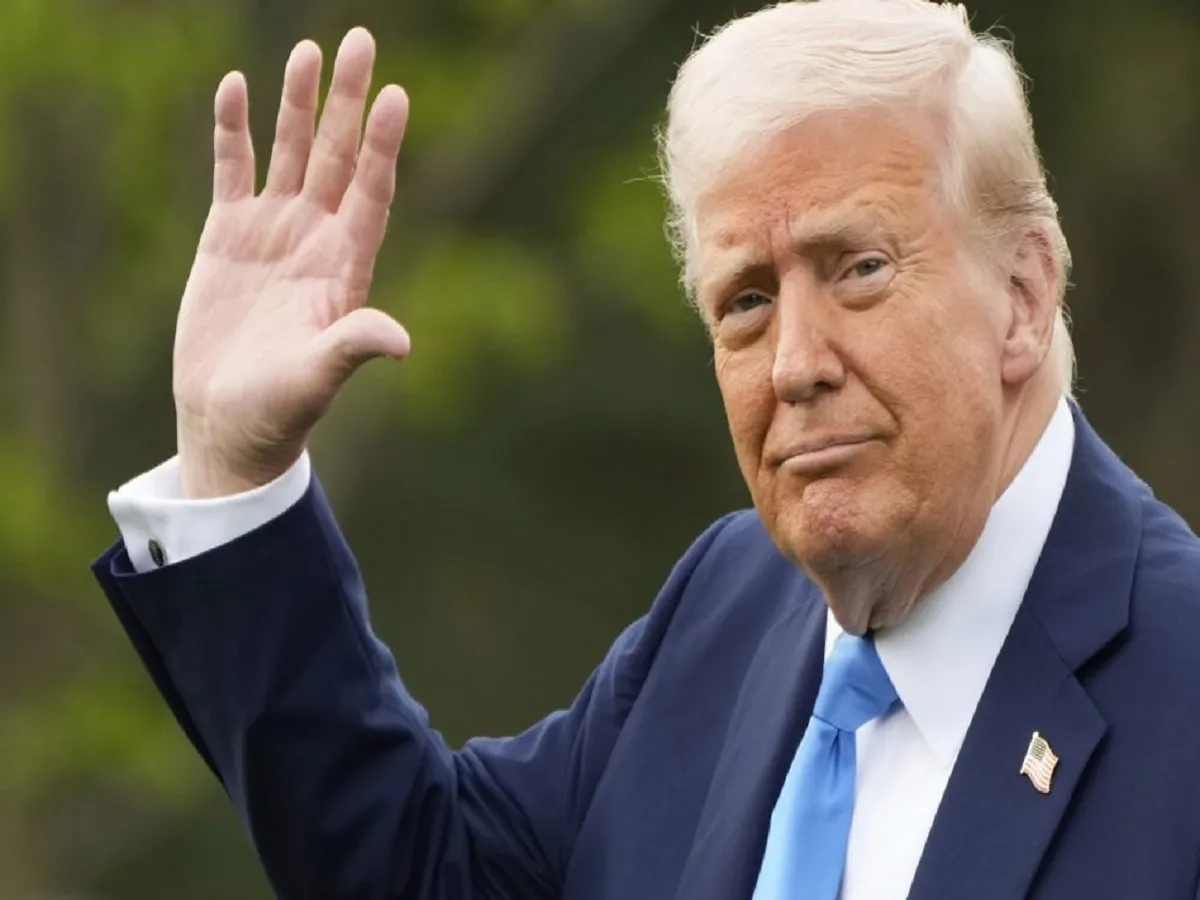
Donald Trump has made it clear that the US will continue its pressure until Iran agrees to major terms regarding its nuclear program. He also warned that failure to reach a deal could lead to renewed military action and further escalation.
Accusations and Counter-Claims
The Islamic Revolutionary Guard Corps has accused the US of “piracy,” claiming that restricting Iranian shipping amounts to unlawful control over international waters.
Partial Access Still Uncertain
While some vessels were seen moving through the route earlier, it remains unclear how much traffic is currently allowed. Iran has previously stated that:
- Passage is conditional and linked to the ceasefire
- Military or “hostile” ships will not be allowed
- Policies could change depending on regional developments, especially involving groups like Hezbollah
Why This Route Matters
The Strait of Hormuz lies between Iran and Oman and is one of the most important global oil corridors.
- Around a fifth of the world’s oil supply passes through it
- At its narrowest, it is about 33 km wide, with only a small navigable channel
Any disruption here directly impacts global oil prices and supply chains.
What Happens Next
The situation remains highly volatile. The US has hinted at extending or ending the ceasefire depending on negotiations, while Iran continues to use the strait as strategic leverage.