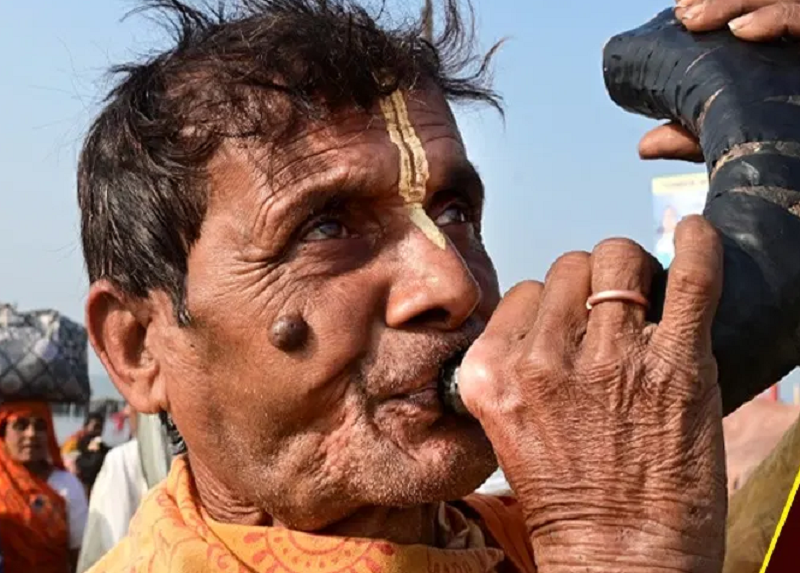
Every year around mid-January, Makar Sankranti is celebrated to mark the Sun’s transition into Makara Rashi (Capricorn) — a celestial event that signifies the beginning of Uttarayana, the Sun’s northward journey. This shift is considered highly auspicious and forms the basis for the festival. Traditionally, devotees take holy baths, offer water to the Sun, donate food and clothes, and celebrate harvest and seasonal change.
Why There’s Confusion in 2026
For 2026, many people are unsure whether Makar Sankranti should be celebrated on January 14 or January 15 — with two main arguments circulating:
-
Shattila Ekadashi also falls on January 14, and traditional beliefs suggest that on such days, donating and preparing certain foods (like khichdi) is not appropriate.
-
Some astrologers argue that the true moment of Sankranti — when the Sun actually enters Capricorn — happens late in the evening (around 9:19 pm IST on January 14 according to some calculations), so auspicious activities should occur on January 15.
However, this interpretation varies by tradition and calendar.
What the Panchang Says
According to mainstream Hindu astronomical and calendar calculations (such as Drik Panchang):
-
The Sun enters Capricorn on January 14, 2026, in the afternoon (around 3:13 pm IST).
-
This moment itself — the true Sankranti — falls during daylight, and therefore the festival date is considered January 14.
-
Panchangs list the Punya Kaal (most auspicious period) on January 14, usually shortly after the Sankranti moment for a few hours, during which holy bath, Surya puja, charity, and other rites are traditionally performed.
In short: when the Sun’s transit into Capricorn happens before sunset, the festival is observed on that same day — which, for 2026, is January 14.
Why Some People Prefer January 15
Certain practitioners and astrologers place greater emphasis on performing rituals (like bathing, charity, and food offerings) on a full day when all auspicious timings fall within daylight and after the transition has fully settled. Because the Sankranti moment is late afternoon, some choose to do rituals on the next morning (January 15), especially in traditional routines where longer daylight hours are preferred for such rites.
Quick Clarification
-
Astronomically and in most calendars: Makar Sankranti = January 14, 2026.
-
Some traditional or ritual customs: may emphasize observances on January 15 due to timing and auspiciousness preferences.
What People Do on Makar Sankranti
On the festival day, devotees typically:
-
Take a holy bath in rivers or at home.
-
Offer water and prayers to the Sun God (Surya).
-
Donate sesame seeds, jaggery, grains, clothes, and food to the needy — believed to bring blessings and remove sins.