SPORTS
T20 World Cup 2026 Under Scanner: International Cricket Council Begins Probe Into Suspicious Match
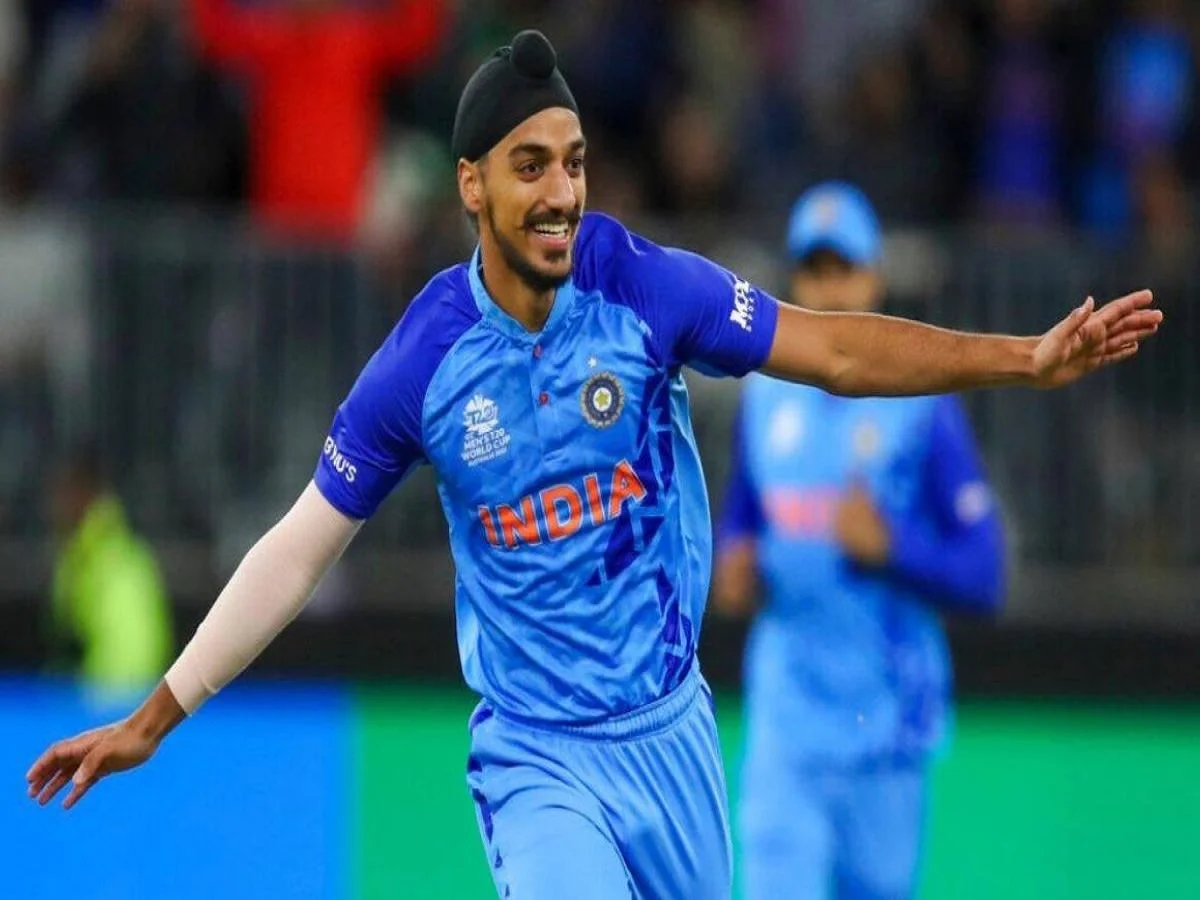
The 2026 T20 World Cup, hosted by India and Sri Lanka, ended on a high note with India defeating New Zealand to clinch a record third title. However, the tournament has now come under unexpected scrutiny after allegations of possible match irregularities surfaced, prompting an official investigation.
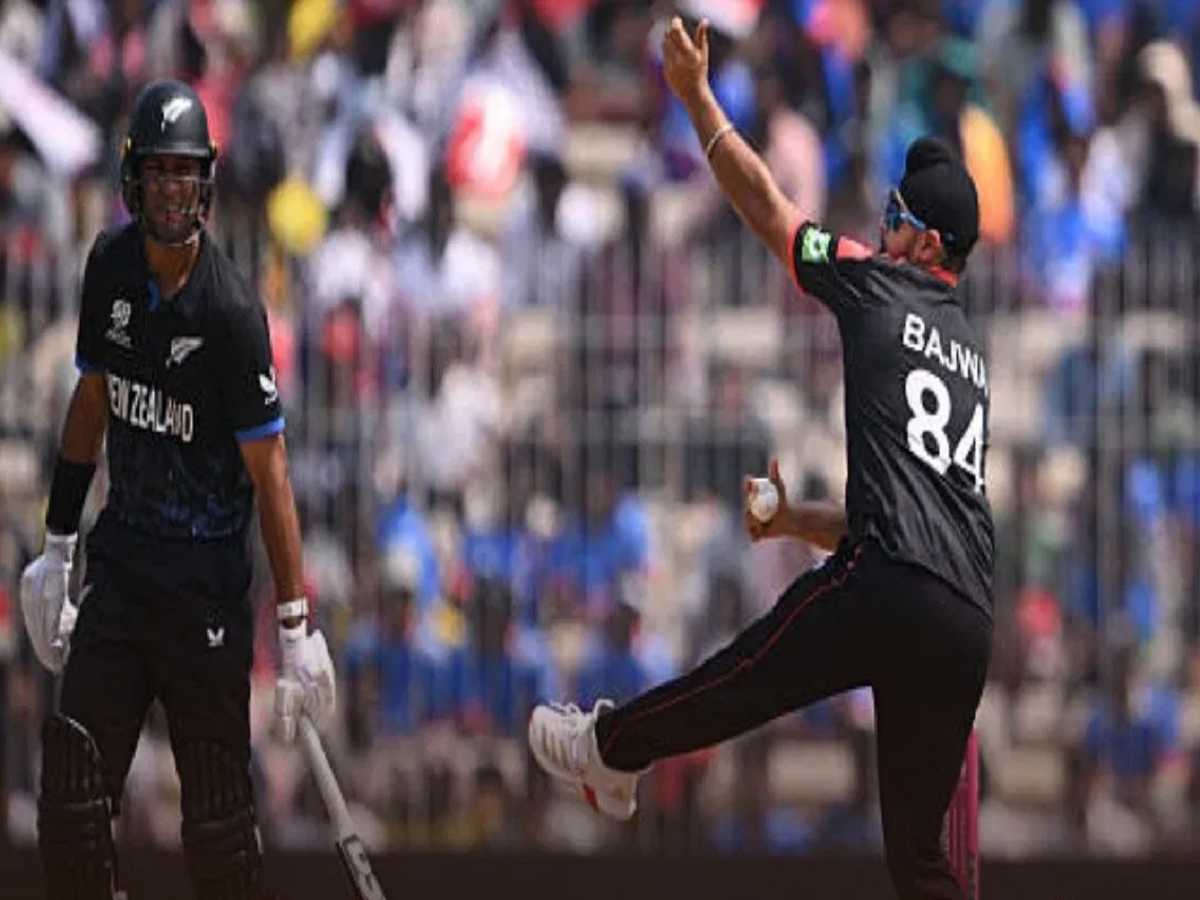
The International Cricket Council’s Anti-Corruption Unit (ACU) has reportedly initiated a probe into a specific match involving Canada and New Zealand. Suspicion centers around a particular over during New Zealand’s innings, where unusual bowling patterns raised concerns. In that over, Canadian captain Dilpreet Bajwa conceded multiple extras, including a no-ball and a wide, resulting in a costly spell. Earlier overs by other Canadian bowlers were also expensive, which has added to the scrutiny.
The investigation was triggered following claims made in a documentary titled “Corruption, Crime and Cricket” by the Canadian Broadcasting Corporation. The program alleged deeper issues within Canadian cricket, including questionable selection practices and potential internal pressures on team decisions. It also referenced an old phone recording in which former coach Khurram Chohan allegedly spoke about interference from senior board members regarding player selection.
Despite these claims, it is important to note that no official conclusion has been reached yet. The ICC’s Anti-Corruption Unit has acknowledged the documentary and is currently reviewing the matter, but has not confirmed any wrongdoing.
The situation has also drawn attention to ongoing administrative instability within Canadian cricket. Reports of governance issues, financial irregularities, and delays in payments have already put the system under pressure. This latest controversy has only intensified concerns around transparency and management.
As of now, the investigation is ongoing, and no player or official has been found guilty. Until the ICC releases its final findings, these remain allegations under review rather than confirmed instances of match-fixing.