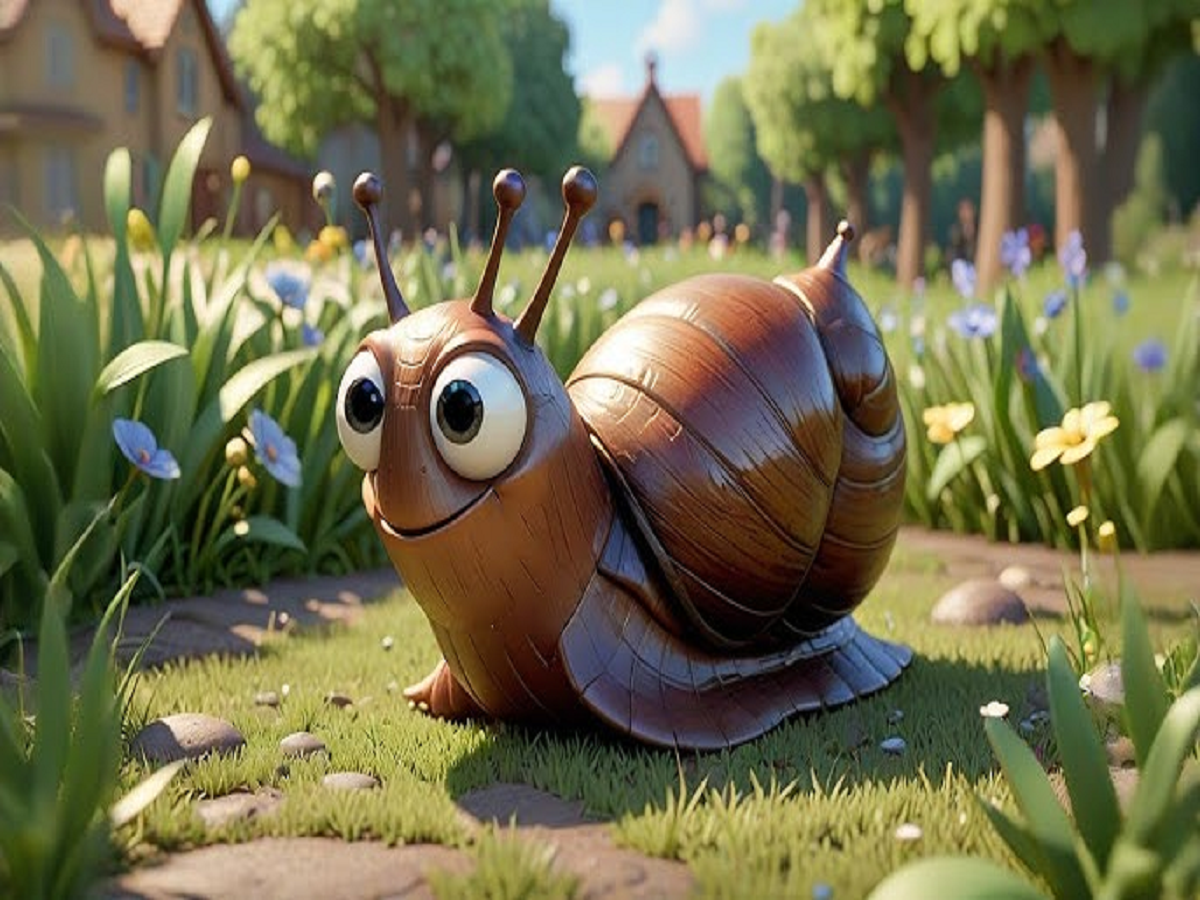
In a small, unnamed town somewhere between reality and absurdity, a local snail has been elected mayor—and the citizens are surprisingly supportive. Meet Sir Slimewell, a garden snail with a penchant for public speaking, policy memorization, and strategic lettuce consumption.
The campaign started as a joke. Local residents jokingly nominated Sir Slimewell for mayor after noticing his uncanny ability to “slowly observe problems and never rush decisions.” But when voting day arrived, the townspeople discovered that bureaucracy had never moved so efficiently. Traffic complaints? Solved in days. Noise ordinances? Enforced… slowly, but fairly. Public gardens? Flourishing.
Political analysts are baffled. “We’ve never seen a candidate with zero limbs, zero voice, and no capacity for traditional campaigning win an election,” said one confused expert. “Yet somehow… it works.” Scientists suggest that Sir Slimewell’s slow pace encourages reflection and mindfulness among the human constituents, reducing hasty decisions and impulsive arguments.
Opponents, naturally, are frustrated. “He’s a snail! He doesn’t even have thumbs!” one council member protested. But Sir Slimewell’s supporters point to his ability to remain calm under pressure, his unparalleled attention to detail, and his refusal to chase scandal.
The town is now considering snail-inspired reforms across city hall. Meetings are scheduled for three hours per foot traveled. Committees move at a pace of one meter per week. Citizens report higher satisfaction, less stress, and a curious sense of harmony with their tiny, shelled mayor.
Sir Slimewell’s victory is more than political—it’s symbolic. In a world obsessed with speed, he proves that slow thinking can win hearts, minds, and even elections.
And as evening falls, one question lingers: will his successor be a slug?