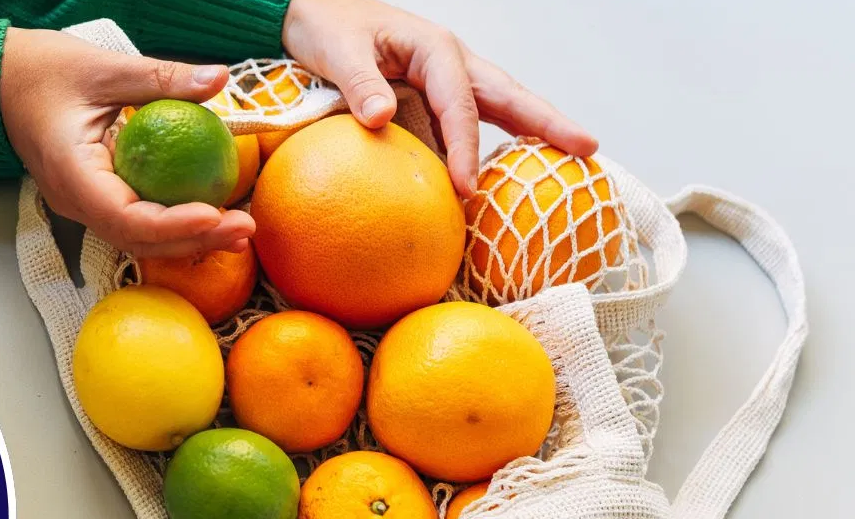
While both are excellent sources of hydration and Vitamin C, they differ in their concentrations of key vitamins and fiber.
1. The Vitamin C King: Oranges
If your primary goal is to boost immunity against winter colds, the orange is your best bet.
-
The Fact: A single orange contains nearly double the Vitamin C of a tangerine. One medium orange provides about 89% of your daily required intake, compared to just 44% in a tangerine.
-
Why it Matters: High Vitamin C is essential for collagen production (winter skin health) and fighting oxidative stress.
2. The Vision & Skin Specialist: Tangerines
Tangerines might lose the Vitamin C race, but they are significantly higher in Vitamin A.
-
The Fact: Tangerines contain about three times more Vitamin A than oranges.
-
Why it Matters: Vitamin A is crucial for eye health, particularly for maintaining night vision, and helps keep your skin glowing despite the dry winter air.
3. Digestion & Weight Loss: Oranges
For those focusing on gut health or weight management, oranges take the lead due to their higher fiber content.
-
The Fact: Oranges contain roughly 2.4g of fiber per 100g, while tangerines offer around 1.8g.
-
Why it Matters: The soluble fiber in oranges helps lower cholesterol and keeps you feeling full longer, preventing unhealthy winter snacking.
Comparison Table (per 100g)
| Feature | Orange | Tangerine | Winner |
| Calories | 47 kcal | 53 kcal | Orange (Lighter) |
| Vitamin C | 89% DV | 44% DV | Orange (Immunity) |
| Vitamin A | 4% DV | 14% DV | Tangerine (Eyes/Skin) |
| Fiber | 2.4g | 1.8g | Orange (Digestion) |
| Sugar | 9g | 10.6g | Orange (Lower Sugar) |
| Ease of Use | Thick peel (Tough) | Thin peel (Easy) | Tangerine (Snacking) |
The Verdict: Which should you choose?
-
Choose Oranges if you want the maximum "bang for your buck" in terms of Vitamin C and Fiber. They are the better choice for heart health and strictly managing your blood sugar.
-
Choose Tangerines if you prefer a sweet, easy-to-peel snack on the go. They are superior for Vitamin A intake and are generally preferred by children and senior citizens because they are less acidic and easier to digest.
Pro-Tip for 2026: To get the best of both worlds, don't juice them! Eating the whole fruit ensures you get the pith (the white stringy bit), which is packed with flavonoids that have anti-inflammatory properties.