ENTERTAINMENT
These four low-budget films were made; three were hits, one became a classic, and two won National Awards
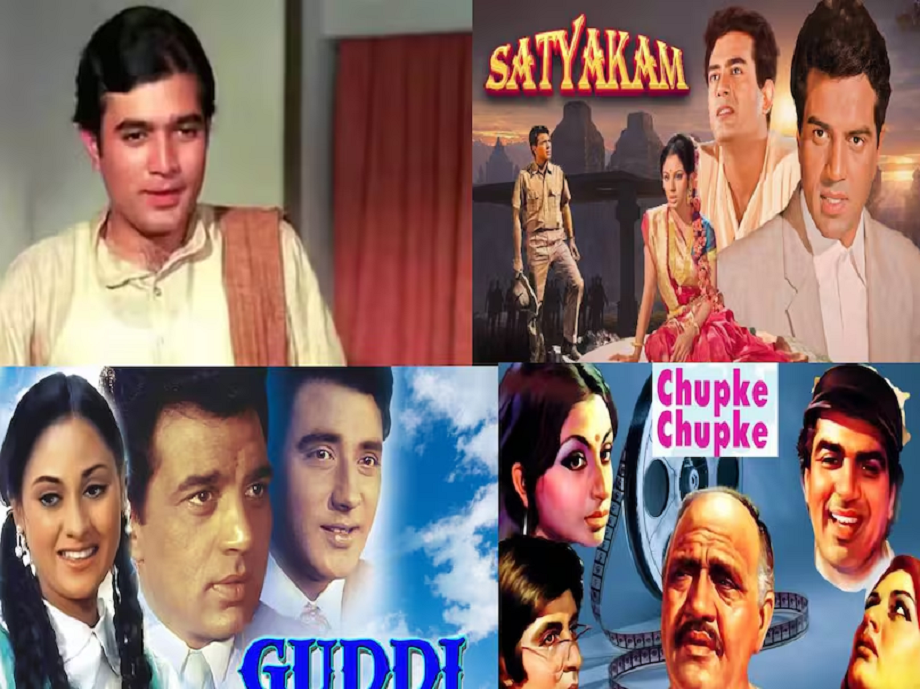
Hrishikesh Mukherjee Best Movies: Many Bollywood directors and producers have been known for making meaningful low-budget films. In the 1970s, four such films were released in theatres within a span of six years. All four films were directed by the same director. Three of the films featured the same director-actor pairing. Two of these four films also won National Awards. One film is counted among the cult classic movies. It is included in the must-watch list of Hindi cinema history. Which are these four films that still rule the hearts of every generation?
There are some films that forever linger in our hearts. Such films transcend the boundaries of time and space. Interestingly, throughout the history of Hindi cinema, such films have always been made on low budgets. Four such films were released in the 1970s. With a villain-free, clean, light-hearted storyline that engages every audience, these films still tickle our hearts. Some even stir our hearts. Interestingly, all four were directed by Hrishikesh Mukherjee. Dharmendra worked with him in three of these films. One featured Amitabh Bachchan and Rajesh Khanna together. Two of the films even won National Awards. All three were hits: Satyakam, Anand, Guddi, and Chupke Chupke. Let's explore some interesting facts about these four films.
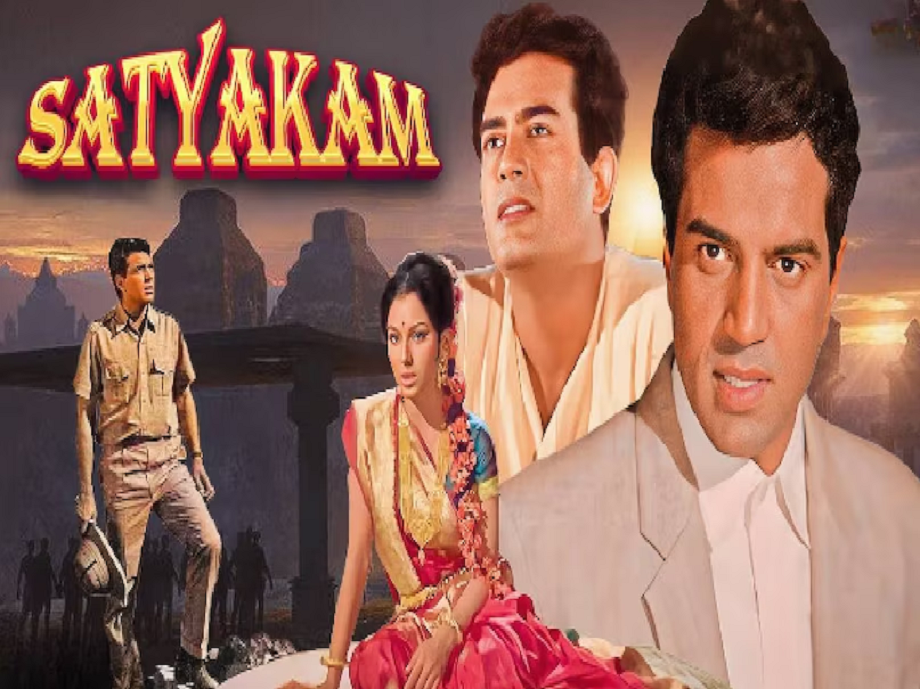
Let's start with the 1969 film Satyakam, starring Dharmendra, Ashok Kumar, Sharmila Tagore, and Sanjeev Kumar. The film's story was based on the Bengali novel of the same name written by Narayan Sanyal. The film's title was inspired by the ancient saint Satyakam Jabala. This film, which inspires hope amidst the struggle between truth and falsehood, justice and injustice, tells the story of a young man who remains uncompromising on honesty. Satyakam was directed by Hrishikesh Mukherjee, produced by Sher Jung Singh Panchhi, and composed by Laxmikant Pyarelal. The lyricist was Kaifi Azmi. The screenplay was written by Vimal Dutta. The heart-touching dialogues were written by Rajinder Singh Bedi
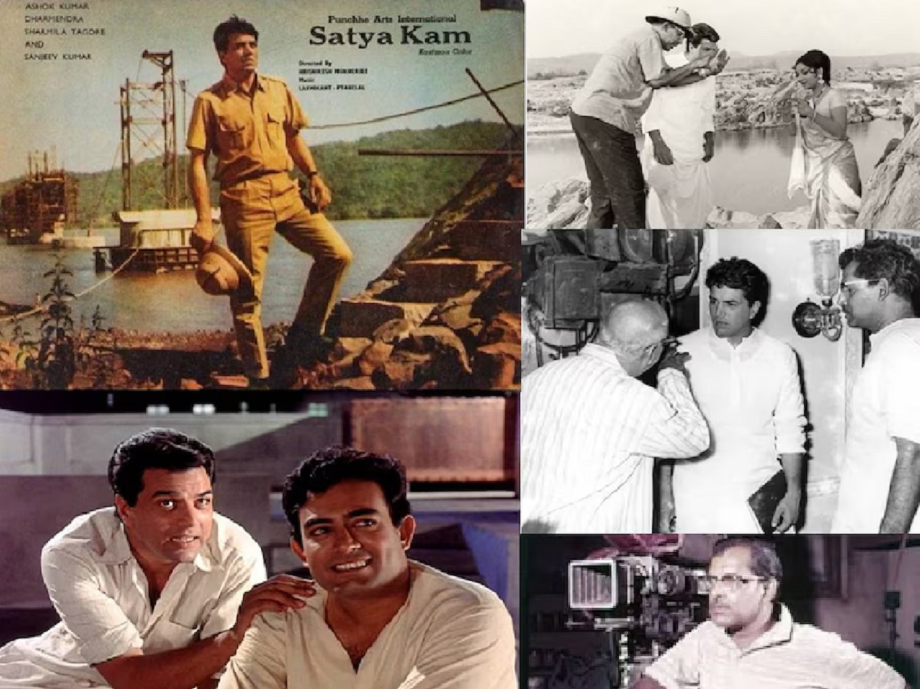
Satyakam is considered the best film of Dharmendra's career. He gave the most intense performance in Satyakam. Many scenes and dialogues in the film were spine-chilling. Sharmila Tagore and Robi Ghosh's work was excellent. Dharmendra brought his character to life. The film flopped at the box office, but Hrishikesh Mukherjee received a National Award for Best Feature Film in Hindi. Dharmendra's acting and the story were highly praised. Today, this film is a cult classic.

Two years after the release of Satyakam, a film by Hrishikesh Mukherjee hit the silver screen, considered a timeless masterpiece in the history of Hindi cinema. The film's dialogue, "Babu Moshai! Life is a stage, and we are all puppets on it. The strings of all of us are in the hands of the Almighty. No one knows when someone's string will be pulled," became immortal. The film perfectly captures the transient nature of human life. Yes, we're talking about the all-time great film of Rajesh Khanna and Amitabh Bachchan's career, Anand, which was released on March 12, 1971. This movie is included in the 100 Must Watch list. Everyone should see this film atleast once in a lifetime. Produced by NC sippy.
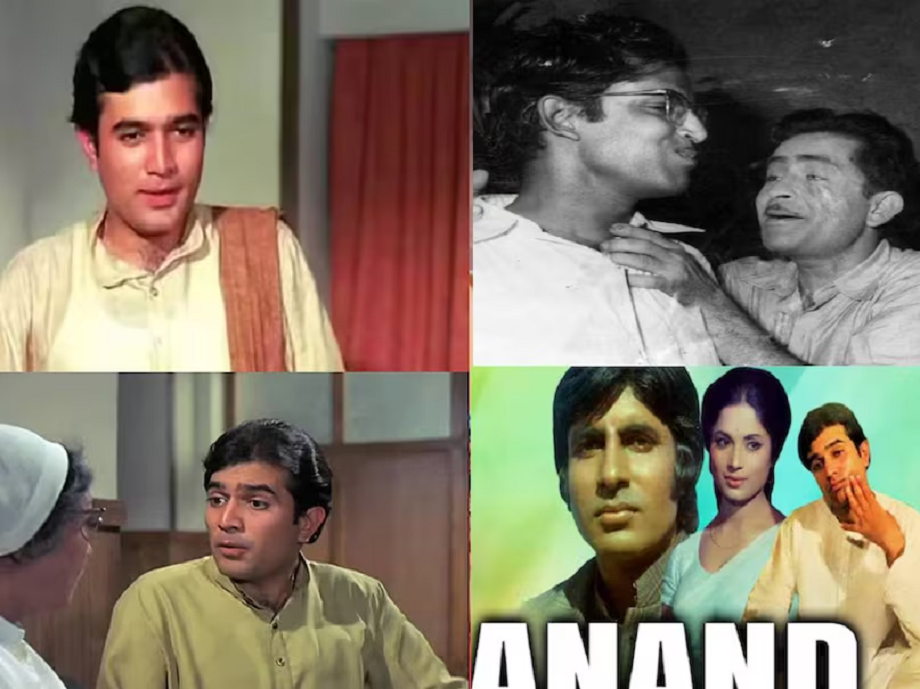
Rajesh Khanna, Amitabh Bachchan, Sumit Sanyal, and Ramesh Dev played lead roles in the film Anand. The music was composed by Salil Chowdhary. The lyrics were written by Gulzar and Yogesh Gaur. The film had five songs totaling 16:28 minutes in length. Each song was heart-touching. Three of the film's songs, "Kahin Door Jab Din Dhal Jaye," "Maine Tere Liye Hi Saat Rang Ke Sapne Chune," and "Zindagi Kaise Hai Paheli Hai," became very popular. These songs reflect the influence of Chhayavad. Lyricist Yogesh Gaur stated in an interview that he wrote the songs for Anand based on his personal experiences.
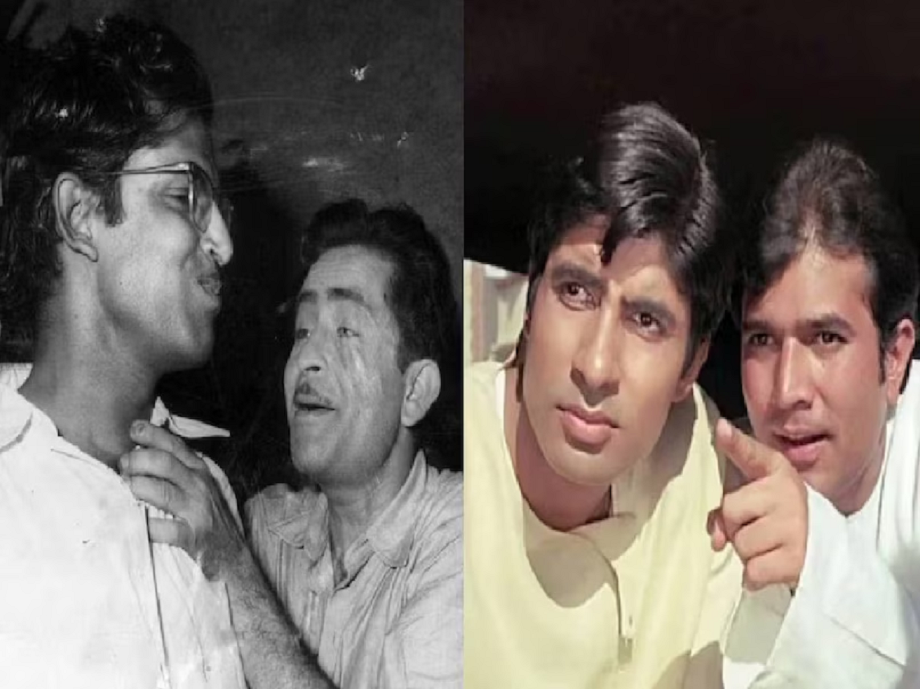
The story of the film Anand teaches friendship, unwavering love, and the importance of living life happily. Gulzar and Hrishikesh Mukherjee co-wrote the script. The story was inspired by the friendship between Raj Kapoor and Hrishikesh Mukherjee. Raj Kapoor affectionately called him "Babu Moshai." These two words became the hallmark of the film Anand. Raj Kapoor fell seriously ill in 1969. Hrishikesh presented the pain he felt during this time to the audience through the film. Made on a budget of 30 lakh rupees, Anand collected nearly 1 crore rupees. Rajesh Khanna charged only 7 lakh rupees as a fee. This film gave Amitabh Bachchan recognition in the film industry. Before the film's release, when Amitabh Bachchan went to a petrol pump to fill up, no one recognized him, but after the movie's release, people started recognising him. This was revelaed by big B himself.
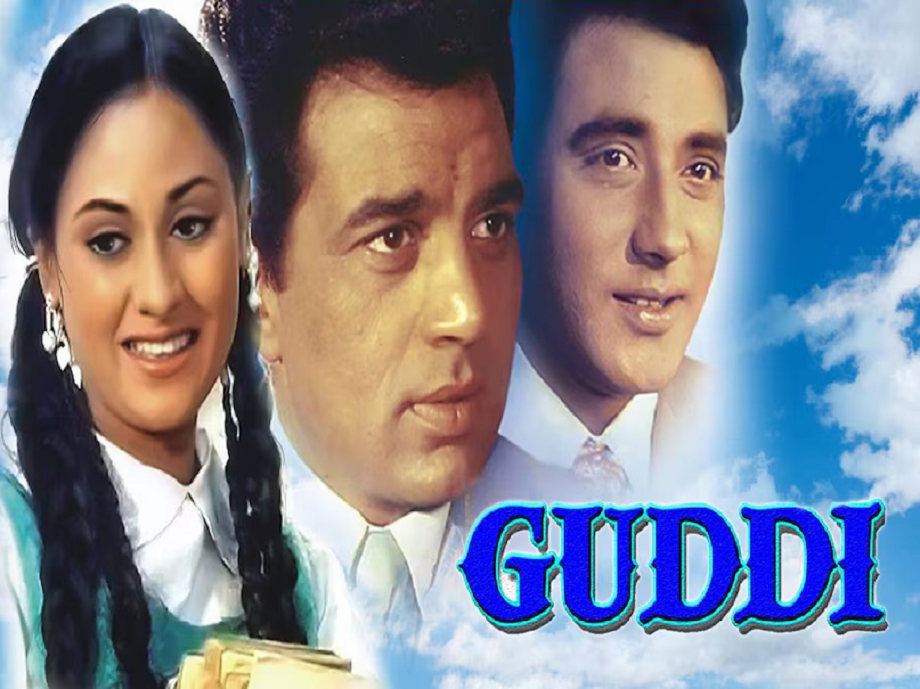 Also in 1971, another film, Guddi, was released, directed by Hrishikesh Mukherjee, starring Dharmendra, Jaya Bhaduri, Utpal Dutt, AK Hangal, and Asrani. The story was written by Gulzar, with music by Vasant Desai and Salil Chowdhary. Amitabh Bachchan featured in a cameo. Several Bollywood stars, including Rajesh Khanna, Navin Nischol, Vinod Khanna, Om Prakash, and Pran, made guest appearances. This was Jaya Bachchan's debut film, playing a schoolgirl. The film beautifully portrays the contrast between real life and the screen, exposing the reality of the glamorous world of the film industry. The film was a box office hit and was also remade in Tamil.

The mention of 1975 immediately evokes images of the film Sholay. In 1975, a film by Hrishikesh Mukherjee was released, starring Amitabh Bachchan and Dharmendra. Interestingly, the film also featured the same pair. Hrishikesh Mukherjee was the director and producer of this film. Jaya Bachchan, Sharmila Tagore, and Om Prakash played lead roles. The music was composed by SD Burman, with lyrics by Anand Bakshi. It was a romantic-comedy. The film had a total of four songs, totaling 17:25 minutes in length. One of the songs, "Abke Baras Sawan Mein...," remains popular even today. It was a remake of the 1971 Bengali film "Chhadmabeshi." The story was written by Upendranath Ganguly. The screenplay was written by DN Mukherjee and Gulzar, and the dialogues were written by Gulzar. It proved to be a superhit.
PC:Hindi News18