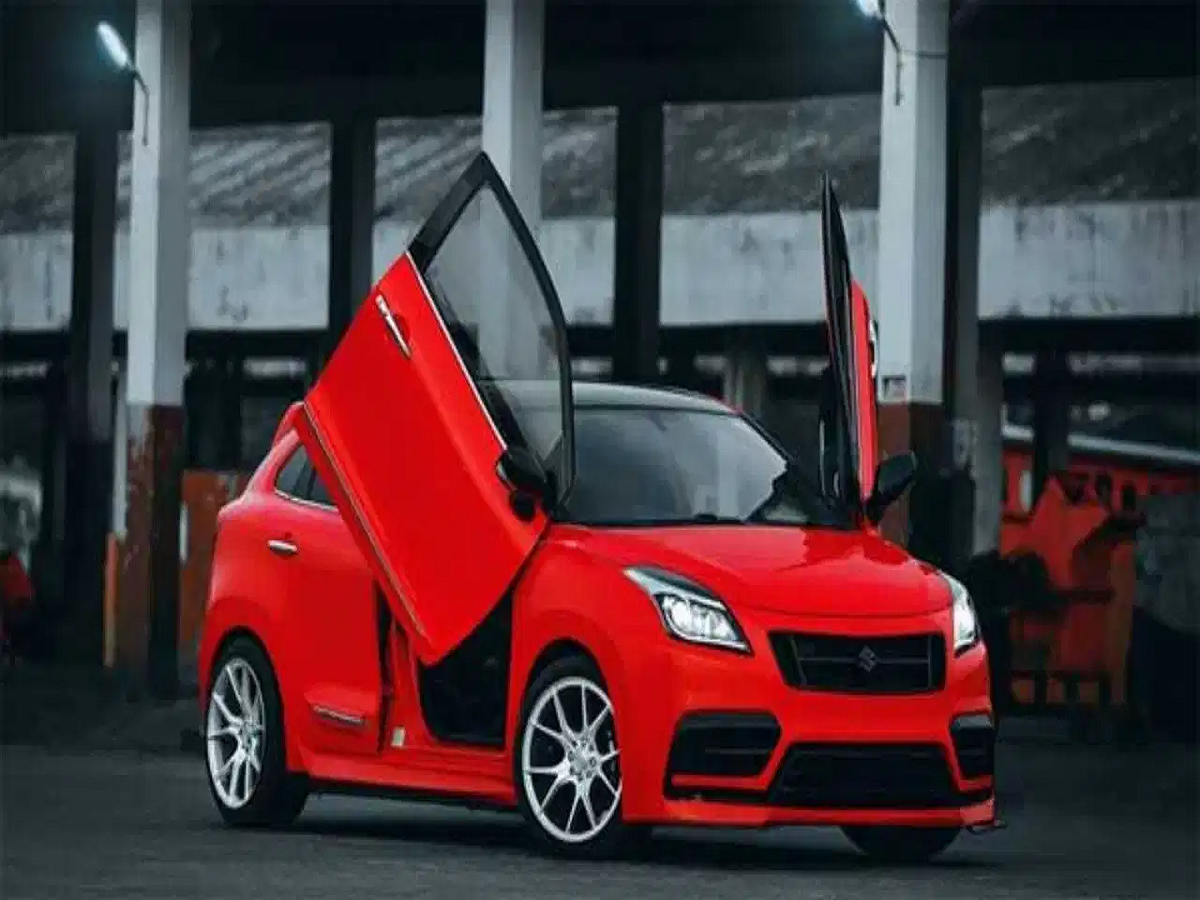
Buying a new car often comes with the temptation to make it look or feel more personal. Some owners upgrade the music system, install brighter lights, change the wheels or even modify the engine for better performance.
But before you start changing factory-installed components, there is one important thing you should understand: certain modifications can affect how a manufacturer handles a warranty claim.
A car warranty generally covers manufacturing defects and failures that fall within the manufacturer's warranty terms. However, if a modification contributes to the problem, the manufacturer may deny coverage for the affected component.
Engine Modifications Need Extra Caution
Performance modifications can be particularly sensitive.
Some car owners modify the engine, install aftermarket tuning devices or make other changes in an attempt to increase power or acceleration.
These modifications can alter how the engine and related components operate and may place additional stress on parts that weren't designed for the modified setup.
If a component subsequently fails and the manufacturer determines that the modification contributed to the failure, the repair may not be covered under warranty.
Before making any performance-related changes, check the manufacturer's warranty terms and speak with an authorised service centre.
Aftermarket Music Systems Can Affect Electrical Components
Upgrading the sound system is one of the most common modifications.
However, installing a high-powered amplifier, subwoofer or aftermarket head unit isn't simply a matter of connecting a few wires.
Modern cars contain complex electrical systems, and an incorrectly installed accessory can potentially damage wiring, fuses, connectors or other electronic components.
If an electrical failure is linked to an aftermarket installation, the manufacturer may challenge a warranty claim for the affected components.
Professional installation and manufacturer-approved accessories can reduce the risk.
Be Careful When Changing Lights
Aftermarket headlights, LED strips, ambient lighting and other electrical accessories are also popular modifications.
The issue isn't necessarily the light itself. Problems can arise from how it is connected to the vehicle's electrical system.
Incorrect wiring, unsuitable components or excessive electrical loads can cause faults.
Before installing additional lighting, check whether the accessory is compatible with your car and whether its installation is permitted under the manufacturer's warranty conditions.
Does Any Modification Automatically Cancel Your Warranty?
No.
Installing an aftermarket accessory does not automatically mean that the entire warranty on your car disappears.
Warranty decisions generally depend on the specific defect and whether the manufacturer can establish a connection between the modification and the problem.
For example, if you install an accessory that has no connection to the car's braking system and later experience an unrelated manufacturing defect in another component, the warranty treatment may be different from a situation where an aftermarket modification directly contributes to the failure.
The exact terms depend on the manufacturer and warranty policy.
Check Before You Modify
One of the easiest ways to avoid a future dispute is to ask questions before installing anything.
Visit an authorised dealership or service centre and ask:
-
Is this modification permitted?
-
Will it affect the warranty?
-
Is there an approved accessory available?
-
Will the installation require changes to factory wiring?
-
Which components could potentially lose warranty coverage?
-
Can the modification be officially documented?
If possible, get important warranty-related clarifications in writing.
Don't Assume a Dealer-Installed Accessory Is the Same as an Outside Modification
Manufacturers and dealerships often offer accessories specifically designed for particular models.
These may be easier to integrate with the vehicle than generic aftermarket components.
However, even when an accessory is offered through a dealer, you should still ask about the warranty coverage for both the accessory and the original vehicle components.
Modifications Can Also Affect Safety
Warranty isn't the only consideration.
Changes to suspension, wheels, tyres, brakes, lighting or the engine can affect how a vehicle behaves on the road.
An incorrectly selected or installed component can potentially affect braking, handling, stability or electrical safety.
So the question shouldn't simply be, "Will this void my warranty?"
You should also ask, "Is this modification safe and compatible with my car?"
Keep Records of Every Modification
If you do decide to modify your vehicle, keep the invoices, product details and installation records.
This documentation can be useful if a problem develops later and you need to establish what was installed and when.
It can also help you understand which components are covered by the manufacturer's warranty and which are covered separately by the accessory manufacturer or installer.
Bottom Line
Modifying a new car isn't automatically a warranty killer, but modifications that contribute to a component failure can create problems when you make a warranty claim.
Engine tuning, aftermarket electrical accessories, music-system upgrades and additional lighting deserve particular attention because incorrect modifications can affect connected vehicle components.
Before changing anything on a new car, check the manufacturer's warranty conditions and consult an authorised service centre. A few minutes of checking beforehand can save you from an expensive dispute later.