INTERNATIONAL
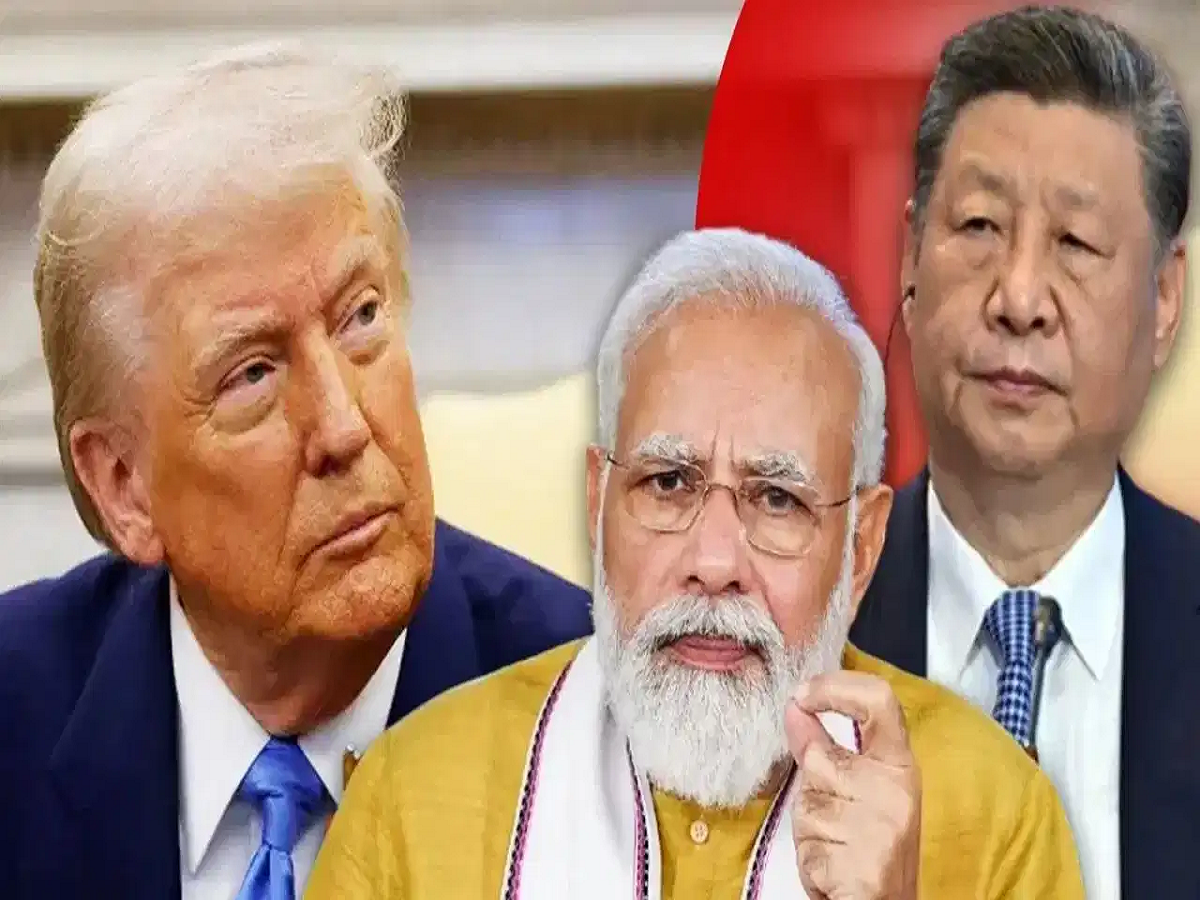
Trump-Putin-Xi Jinping Meeting: Who Stands to Gain, and Why Is India Watching Closely?
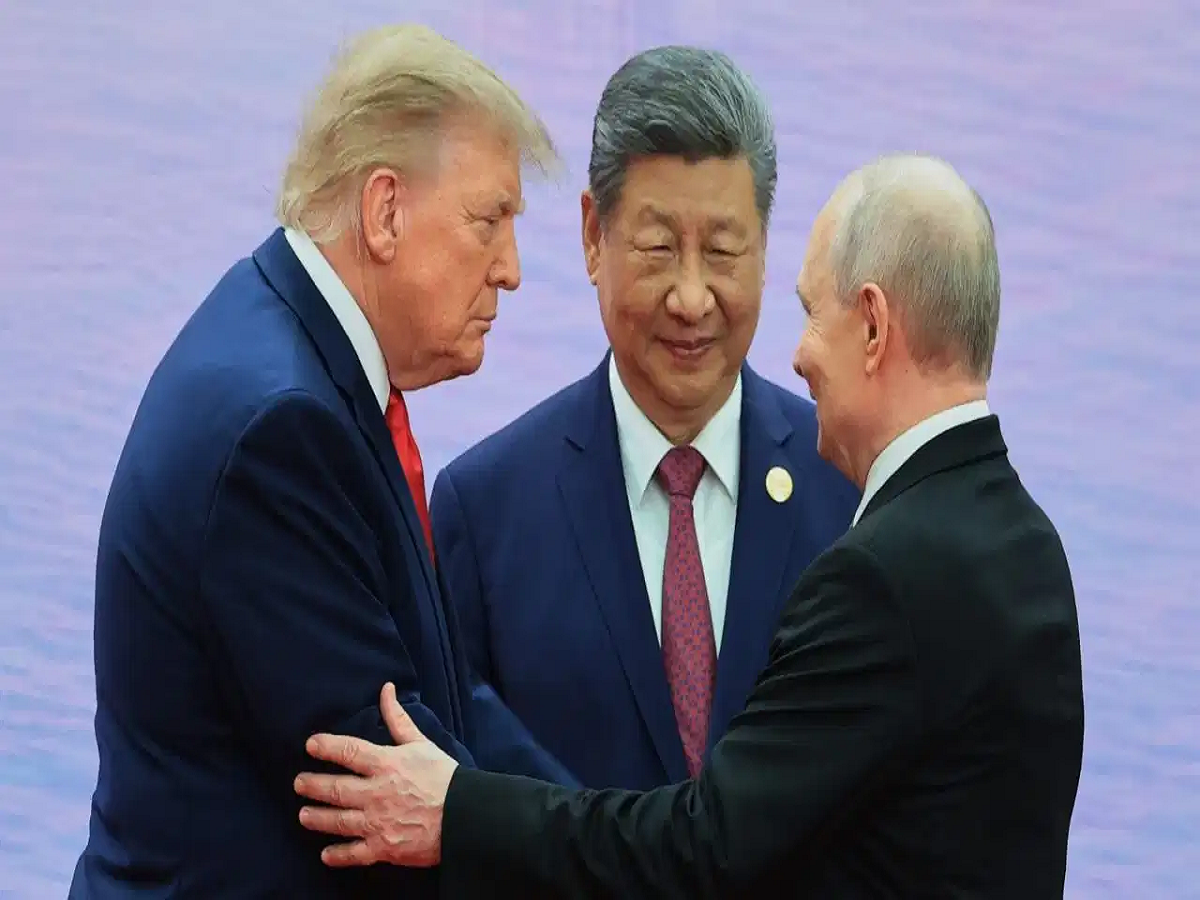
A high-profile diplomatic meeting involving US President Donald Trump, Russian President Vladimir Putin and Chinese President Xi Jinping is attracting worldwide attention. The three leaders are expected to meet in Shenzhen, China, during the Asia-Pacific Economic Cooperation (APEC) summit.
The discussions come at a time of growing geopolitical tensions, ongoing international conflicts and uncertainty surrounding global trade and nuclear security. Issues involving Iran, Ukraine and the increasing threat of nuclear weapons are expected to feature in the discussions.
India is among the countries closely monitoring this development because it maintains important strategic and economic relationships with all three nations. Any understanding between Washington, Moscow and Beijing could have significant consequences for India's foreign policy, energy security, trade and regional influence.
Why Is the Meeting Being Compared With the 1945 Yalta Conference?
The proposed meeting has drawn comparisons with the historic Yalta Conference held in February 1945.
During the final stages of the Second World War, US President Franklin D. Roosevelt, British Prime Minister Winston Churchill and Soviet leader Joseph Stalin met in Crimea to discuss the post-war international order.
Their discussions influenced decisions concerning Germany, Eastern Europe and the future political structure of Europe.
The comparison with the upcoming meeting is based on the possibility that three major global powers could discuss issues affecting international stability and the balance of power.
However, there is an important difference. In 1945, the three countries were allied against Nazi Germany. Today, the United States, Russia and China have competing strategic interests and are not united by a common military objective.
Therefore, the Shenzhen meeting should not automatically be considered a modern version of Yalta.
Why Is India Closely Watching the Meeting?
India has significant diplomatic, economic and strategic interests connected with all three countries. Any major shift in their relationships could influence India's international position.
1. Russia-Ukraine War and India's Energy Interests
India has continued its economic and diplomatic engagement with Russia despite Western sanctions imposed following the Ukraine conflict.
In August 2025, the United States announced an additional 25% tariff on Indian goods linked to India's purchases of Russian oil. This created further pressure on India-US trade relations.
Any progress towards reducing tensions between Russia and Ukraine could potentially influence the international sanctions environment and India's energy trade.
A peaceful resolution could also improve global supply chains and international grain transportation, helping reduce uncertainty in commodity markets.
However, an agreement between the three leaders would not automatically remove existing sanctions or resolve India's trade-related challenges.
2. US-China Relations Could Affect India's Position
The relationship between Washington and Beijing is another major reason India is monitoring the meeting.
The two countries have faced disagreements over trade tariffs, advanced semiconductor technology, artificial intelligence and restrictions on technology exports.
The United States has introduced restrictions aimed at limiting China's access to advanced AI chips and related technologies.
At the same time, both countries have economic reasons to prevent their trade relationship from deteriorating further.
If Trump and Xi make progress towards stabilising their trade arrangements, it could influence global manufacturing, technology supply chains and international investment.
For India, maintaining a balance between its strategic partnership with the United States and its complex relationship with China will remain important.
3. The Future of the Quad
The Quad, comprising India, the United States, Japan and Australia, is an important platform for cooperation in the Indo-Pacific region.
India supports the grouping as a means of strengthening maritime security, regional stability and economic cooperation.
Any improvement in US-China relations could influence Washington's approach towards the Indo-Pacific.
However, it would be premature to assume that the United States will reduce its commitment to the Quad simply because Trump and Xi are engaging diplomatically.
India will closely assess whether the broader strategic balance in the region changes following the meeting.
Who Benefits From the Trump-Putin-Xi Meeting?
Each leader has different political and strategic objectives, and all three could gain diplomatic advantages from participating.
Donald Trump: An Opportunity to Demonstrate Global Leadership
For Trump, the meeting provides an opportunity to position himself as a leader capable of engaging directly with two of the world's most powerful countries.
He has expressed interest in discussing nuclear arms reduction, international security and global stability.
Progress on these issues could strengthen his diplomatic image. The meeting also gives Washington an opportunity to discuss trade, technology and energy-related interests with Beijing and Moscow.
Vladimir Putin: A Chance to Challenge Russia's Isolation
For Putin, participating in a high-profile meeting with the American and Chinese presidents carries considerable diplomatic importance.
Russia has faced extensive Western sanctions and international criticism over the war in Ukraine.
A direct meeting with Trump and Xi would allow Putin to demonstrate that Russia remains an influential international power with significant diplomatic reach.
It could also provide Moscow with an opportunity to discuss sanctions, security arrangements and its relationship with Washington.
Xi Jinping: Strengthening China's Global Influence
For Xi Jinping, hosting the APEC summit and participating in discussions with Trump and Putin offers an opportunity to strengthen China's diplomatic position.
China wants to maintain its economic influence while managing tensions with the United States over trade, technology and security.
Engagement with Washington and Moscow could help Beijing demonstrate its importance in discussions concerning global stability.
At the same time, China will want to protect its strategic interests, particularly in the Indo-Pacific region and over Taiwan.
Why Are Ukraine and Taiwan Concerned?
The possibility of an understanding among the three leaders has raised concerns among some European and Asian countries.
Ukrainian President Volodymyr Zelensky has also drawn comparisons between the meeting and the historic Yalta Conference. His concerns reflect the possibility that major powers could discuss the future of smaller countries without their direct participation.
Ukraine is particularly concerned about any agreement that could affect its territorial integrity, sovereignty or future security arrangements.
Taiwan is another sensitive issue. The United States has historically supported Taiwan's security, while China considers the island part of its territory.
Any significant change in Washington's approach towards Taiwan could have serious consequences for regional stability.
However, these concerns do not establish that an agreement has already been reached. The meeting itself is not evidence that the three leaders intend to decide the future of other countries.
Is This the Beginning of a New Global Power Arrangement?
The meeting comes at a time when international politics is becoming increasingly complicated.
The United States wants to maintain its global leadership, Russia wants to strengthen its diplomatic position, and China wants to expand its economic and strategic influence.
Although all three countries have reasons to cooperate on issues such as nuclear security and international stability, they also have significant disagreements.
Their discussions could indicate whether there is room for greater cooperation or whether existing geopolitical tensions will continue.
What Should India Expect From the Meeting?
For India, the most important question is whether the discussions lead to changes in the relationships among the world's three major powers.
A reduction in tensions between Washington and Moscow could influence India's energy interests and its engagement with Russia. Improved US-China relations could affect international trade, technology supply chains and the strategic environment in the Indo-Pacific.
At the same time, India will need to protect its independent foreign policy and maintain strong relationships with its international partners.
The meeting may not immediately produce major agreements, but its diplomatic significance is considerable. The discussions between Trump, Putin and Xi could provide important indications about the future direction of global politics and the challenges India may face in the coming years.