LIFESTYLE
Two Major Festivals in 2 Days: Dev Uthani Ekadashi and Tulsi Vivah – Know the Correct Dates, Puja Timings, and Significance
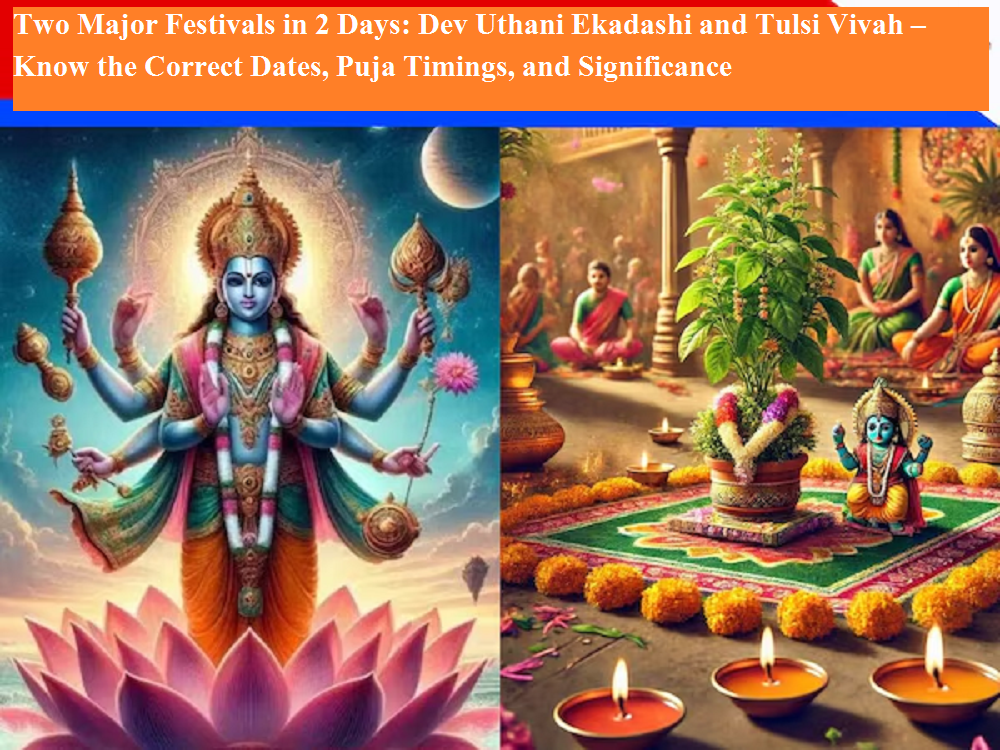
The festive season continues with great spiritual fervor as two auspicious Hindu festivals — Dev Uthani Ekadashi and Tulsi Vivah — are set to be celebrated within just two days. These events mark the beginning of a highly sacred period in the Hindu calendar, when Lord Vishnu wakes from his divine slumber, and the symbolic marriage of Tulsi (holy basil) and Lord Shaligram (Vishnu) takes place. Many devotees, however, often get confused about their exact dates and rituals. Here’s a detailed guide to help you understand their timings, rituals, and spiritual importance.
🌞 What Is Dev Uthani Ekadashi?
Dev Uthani Ekadashi, also known as Prabodhini Ekadashi, falls on the Ekadashi Tithi of the Shukla Paksha in the month of Kartik. It signifies the day when Lord Vishnu awakens from his four-month-long cosmic sleep, which began on Devshayani Ekadashi.
This day marks the end of Chaturmas, a period when all auspicious activities such as marriages, housewarmings, and religious ceremonies are paused. Once Lord Vishnu awakens, these rituals resume, symbolizing the return of divine blessings and prosperity to the world.
📅 Dev Uthani Ekadashi 2025 Date and Muhurat
According to the Hindu Panchang:
-
Date: Monday, 3 November 2025
-
Ekadashi Tithi Begins: 3 November, 04:45 AM
-
Ekadashi Tithi Ends: 4 November, 03:10 AM
-
Parana (Breaking the Fast): 4 November, after 06:30 AM
Devotees observe a fast (vrat) on this day, dedicating their prayers to Lord Vishnu and Goddess Lakshmi.
🪔 Significance of Dev Uthani Ekadashi
This Ekadashi is believed to bring renewal, positivity, and divine grace. It is said that observing this fast washes away past sins and brings peace, prosperity, and spiritual progress.
Many people also perform symbolic rituals such as waking up Lord Vishnu by gently tapping a conch or bell and reciting:
“Utho Deva, Baitho Deva, Tumar Jagavan Ho Gaya.”
This symbolizes inviting divinity back into their homes and hearts.
🌿 Tulsi Vivah 2025: The Divine Wedding
The day following Dev Uthani Ekadashi is celebrated as Tulsi Vivah, marking the spiritual union of Tulsi (Holy Basil) and Lord Vishnu in his Shaligram form. This festival holds immense significance for married couples and those seeking marital harmony.
It is said that performing or witnessing Tulsi Vivah brings the same spiritual merit as attending an actual wedding ceremony and helps remove obstacles related to marriage and relationships.
📅 Tulsi Vivah 2025 Date and Muhurat
-
Date: Tuesday, 4 November 2025
-
Dwadashi Tithi Begins: 4 November, 03:10 AM
-
Dwadashi Tithi Ends: 5 November, 01:55 AM
-
Auspicious Time for Tulsi Vivah: 4 November, between 06:45 PM to 08:45 PM
🌸 Tulsi Vivah Rituals
-
Decorate the Tulsi Plant like a bride with a red cloth, bangles, and flowers.
-
Place a Shaligram or Vishnu idol near the Tulsi pot to represent the groom.
-
Perform the traditional wedding rituals, chanting mantras and offering sweets, fruits, and flowers.
-
Distribute prasad among family and friends after the puja.
Many devotees also observe fasting and donate essentials like clothes, grains, and utensils to the needy.
🙏 Why These Two Days Are So Important
The back-to-back observance of Dev Uthani Ekadashi and Tulsi Vivah symbolizes the revival of auspicious energies in the universe. While Dev Uthani Ekadashi represents spiritual awakening, Tulsi Vivah marks the beginning of the wedding season in Hindu tradition.
Together, these festivals celebrate the union of devotion, purity, and divine blessings — ushering in prosperity, harmony, and happiness in every household.
🌼 Key Takeaways
-
Dev Uthani Ekadashi 2025: 3 November (Monday)
-
Tulsi Vivah 2025: 4 November (Tuesday)
-
Fasting and rituals: Offer prayers to Lord Vishnu and Tulsi Devi.
-
Symbolism: Beginning of auspicious events after Chaturmas.
As the bells ring to awaken Lord Vishnu and Tulsi adorns her bridal form, homes across India will fill with chants, diyas, and devotion. Make sure to observe these sacred rituals with love and faith — for these two days are not just about tradition, but the celebration of divine connection and renewal of spiritual energy.