INTERNATIONAL
Ukraine Caught in the Crossfire? Trump’s NATO Rift Raises Fears of a New Global Power Shift

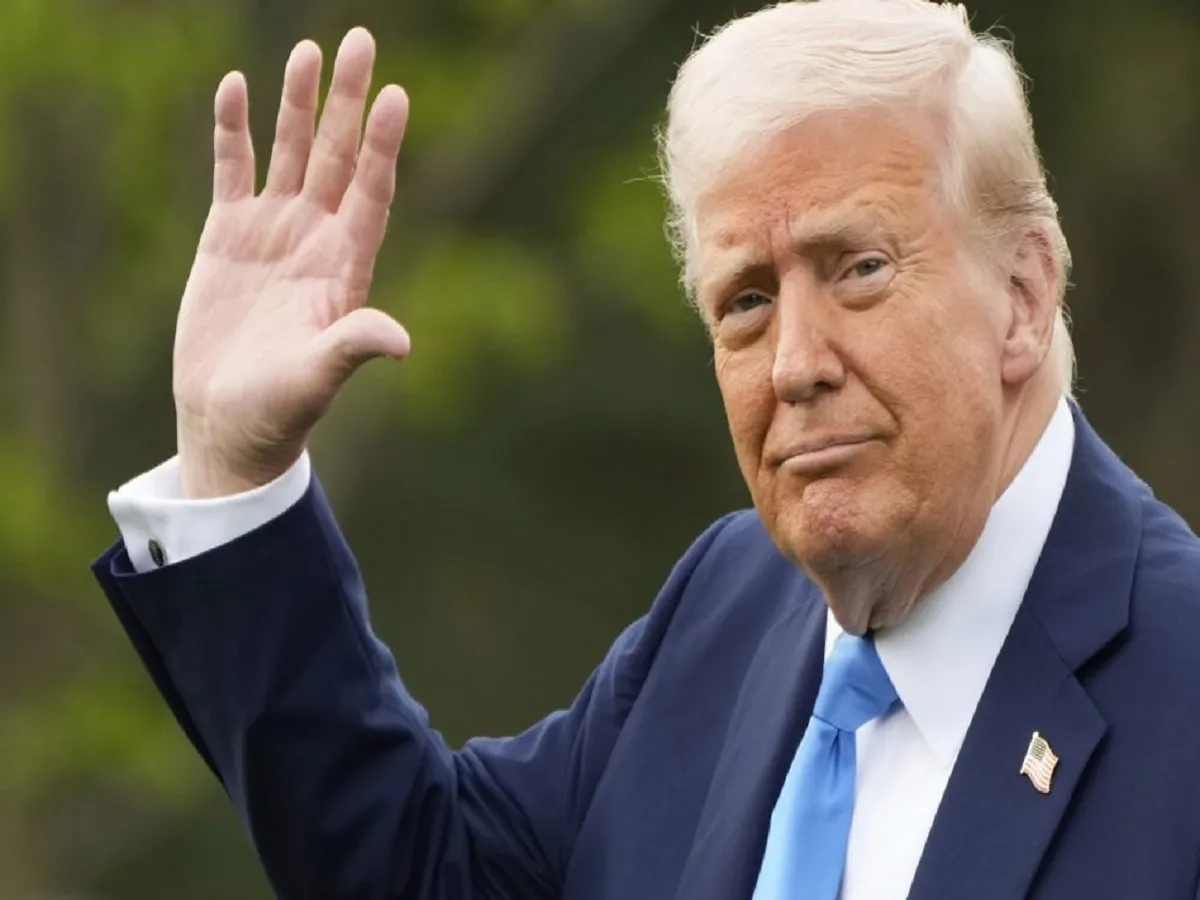
Rising geopolitical tensions—from instability in the Strait of Hormuz to divisions within Western alliances—are reshaping the global order. At the center of this shift lies a pressing question: could Ukraine bear the cost of growing friction between the United States and its NATO allies under Donald Trump? And is a potential understanding with Vladimir Putin on the horizon?
Roots of the Dispute
The latest strain emerged after Washington urged NATO members, particularly European powers, to deploy naval forces to safeguard the Strait of Hormuz. Several countries hesitated or declined, triggering sharp criticism from Trump. His remarks underscored a long-standing grievance—that the US shoulders disproportionate responsibility for collective security while allies fall short on commitments.
Implications for Ukraine
The fallout from this rift could significantly affect Ukraine’s position in its ongoing conflict with Russia. The US has already recalibrated aspects of its military and financial support, and further reductions cannot be ruled out if tensions with NATO deepen.
This shift places greater responsibility on European nations. However, economic constraints and war fatigue among their populations may limit their ability to fully compensate for any decline in US support. In such a scenario, Ukraine’s strategic position could weaken considerably.
A Strategic Opening for Russia
A divided NATO alliance would likely play to Moscow’s advantage. For Putin, any visible cracks in Western unity reinforce the narrative that long-term support for Ukraine is unsustainable. This could embolden Russia to consolidate its gains and potentially escalate its strategy, altering the balance of the conflict.
Possibility of a Trump–Putin Deal
Speculation is growing over whether Trump, known for his emphasis on swift conflict resolution, might pursue direct negotiations with Putin. Such a deal, if pursued, could involve difficult compromises for Ukraine.
Potential elements might include territorial concessions, a pause or abandonment of Ukraine’s ambitions to join NATO, and a relaxation of certain sanctions on Russia. While these steps could pave the way for a ceasefire, they would likely come at a significant political and strategic cost to Kyiv.
Wider Global Consequences
Any weakening of NATO cohesion would have implications far beyond Ukraine. It could signal a broader shift in global power dynamics, undermining Western unity and potentially encouraging more assertive actions from rival powers.
In this evolving landscape, Ukraine risks becoming the focal point of competing geopolitical priorities. While a negotiated settlement might bring short-term stability, the long-term consequences could redefine security arrangements across Europe and beyond.