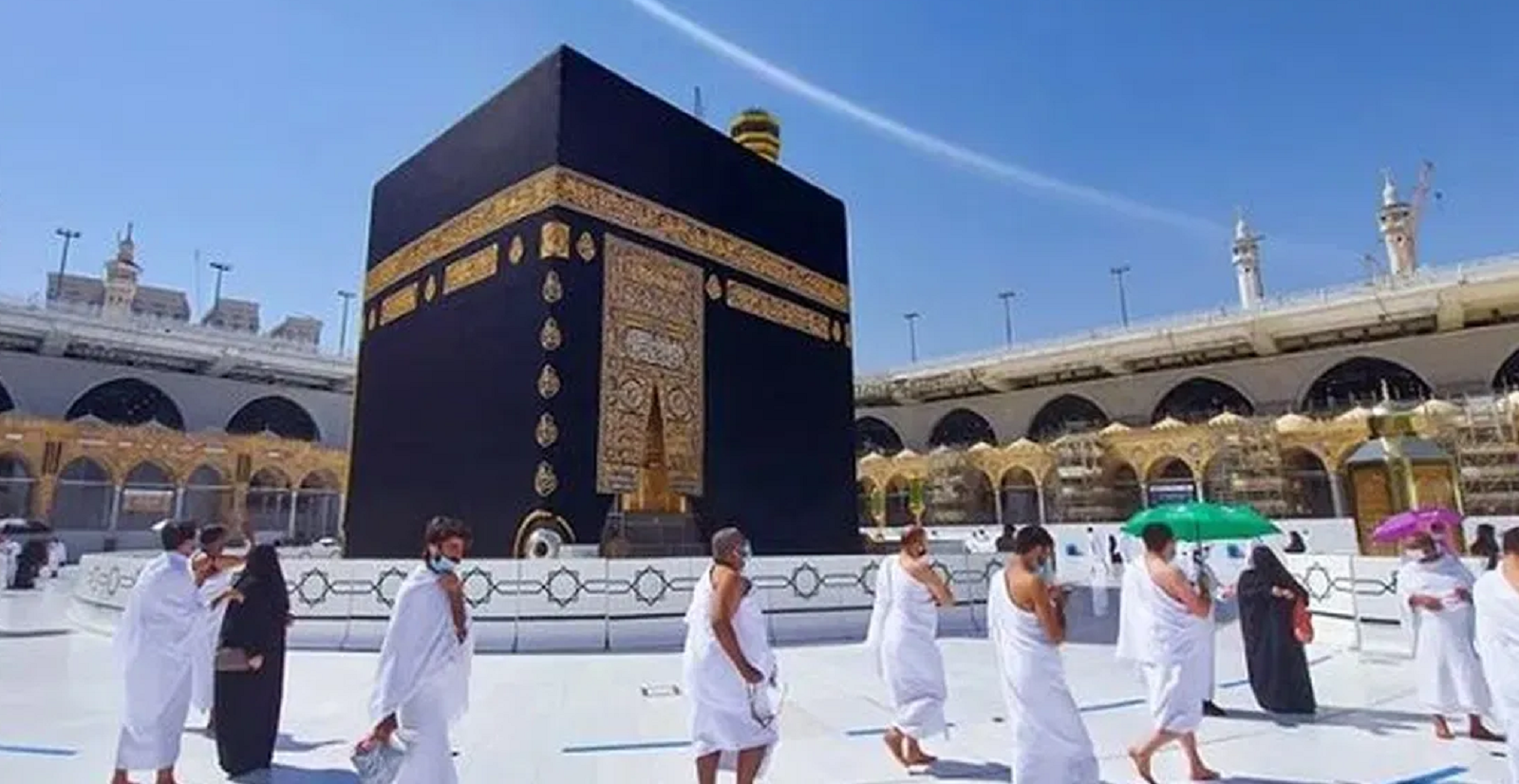
Islam is built on five fundamental pillars: Shahada, Namaz, Zakat, Roza, and Hajj. These pillars are essential acts of worship for every Muslim. Just as the Char Dham Yatra holds deep spiritual importance in Hinduism, Hajj is of great significance in Islam. Along with Hajj, Muslims also consider another sacred journey to be spiritually rewarding — Umrah. Although similar in some ways, Umrah and Hajj differ in purpose, timing, and obligation. Here is an explanation of what Umrah is and why it holds such great value.
Umrah is a deeply spiritual pilgrimage in Islam. Unlike Hajj, which is an obligatory act for all capable Muslims, Umrah is not compulsory. It is considered Mustahab — meaning it brings immense reward if performed, but skipping it does not bring sin. During Umrah, Muslims visit the holy city of Mecca, circle the Kaaba, and perform the Sa'i between the hills of Safa and Marwah as acts of devotion and remembrance of Allah.
Often called the minor or mini-Hajj, Umrah can be performed at any time of the year. It is a separate form of worship from Hajj and involves specific rituals that can be completed within a few hours, though most pilgrims spend three to ten days for the full spiritual experience. Its flexibility makes it a preferred pilgrimage for many Muslims who wish to seek closeness to Allah outside the fixed dates of Hajj.
The process of Umrah includes four main steps: wearing the Ihram, performing Tawaf around the Kaaba, completing the Sa'i between Safa and Marwah, and finally performing Halaq or Taksir (shaving or trimming the hair). Each step carries symbolic meaning — from entering a state of purity to reenacting historic events linked to Prophet Ibrahim and Hajar. While Umrah holds great value throughout the year, its rewards multiply during the holy month of Ramadan.
In Islamic belief, performing Umrah brings numerous spiritual benefits. It is seen as a means of pleasing Allah, wiping away sins, strengthening faith, and attaining inner peace. The journey allows believers to repent sincerely, seek forgiveness, and deepen their connection with the Almighty. For many Muslims, Umrah is a transformative experience that renews their devotion and brings blessings both in this life and the hereafter.