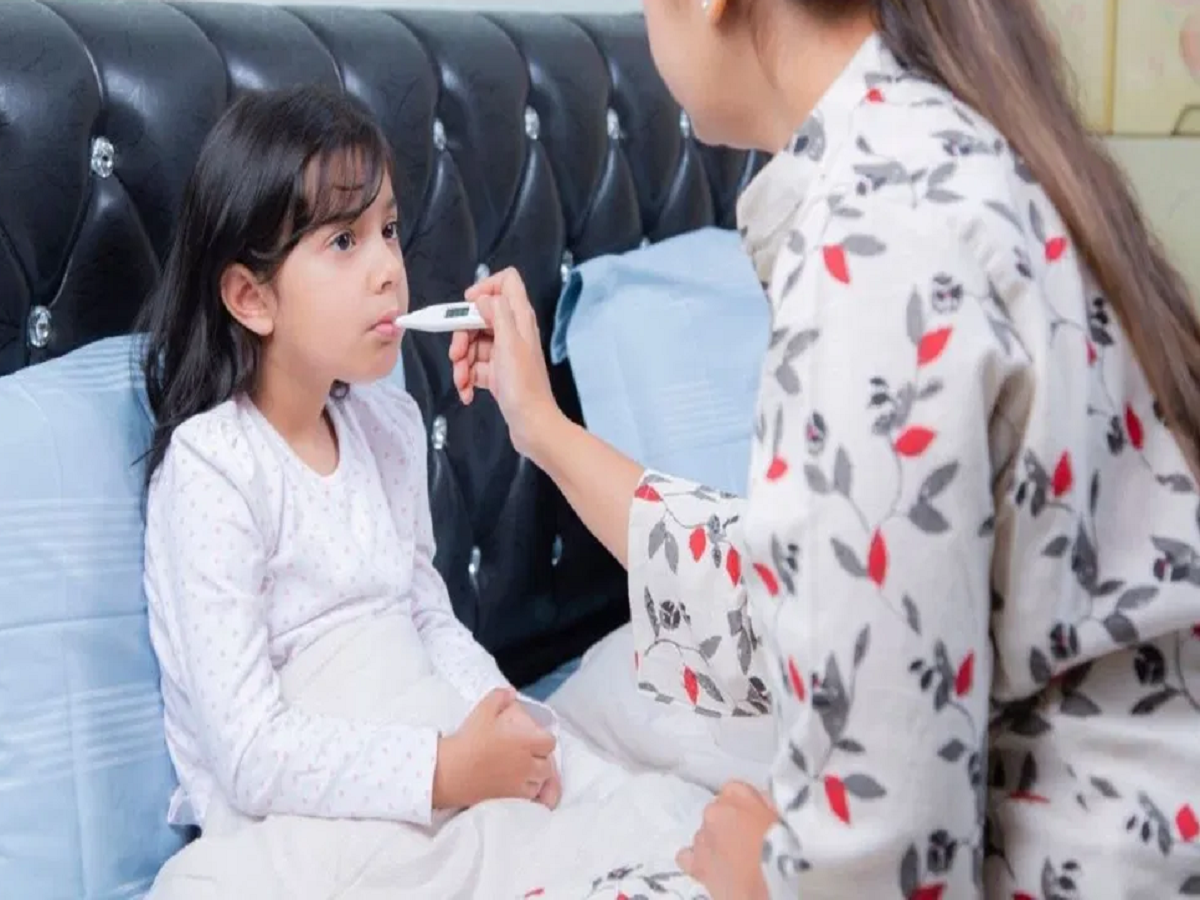
Weather patterns are becoming increasingly unpredictable. Sudden rainfall in winter months like January often leads to a sharp drop in temperature, directly affecting health—especially that of children. Since children have relatively weaker immunity, unseasonal rains can make them more vulnerable to illnesses.
Whether it’s school-going children or toddlers aged 1–2 years, even minor carelessness during such weather—like getting wet in the rain, consuming cold food, or playing outdoors—can trigger health issues such as cold, cough, fever, viral infections, sore throat, and stomach problems.
If you want to protect your child from falling ill during unexpected rains, these expert-recommended care tips can help.
What Do Health Experts Say?
According to Dr. Avijit Prakash Yadav, Child Specialist at Kailash Deepak Hospital, winter rains or hailstorms can significantly affect children’s health. If a child gets wet while returning from school, parents should immediately change their clothes, dry their hair thoroughly with a clean towel, and wash their face with clean water to prevent infections.
Keep the Body Warm After Rain Exposure
Experts suggest giving children turmeric milk, warm vegetable soup, or lukewarm water as soon as they come in from the rain. This helps regulate body temperature and prevents colds.
For infants below one year of age, extra caution is needed. Dress them in three light layers, along with socks and a cap. However, avoid excessive layering, as sweating can also lead to cold and discomfort.
Pay Special Attention to Nutrition
Nutrition plays a vital role in boosting immunity during unseasonal weather. Dr. Yadav advises including light, warm meals and protein-rich foods in a child’s daily diet. Proper nutrition helps strengthen immunity and keeps infections at bay.
Parents should also avoid giving outside or street food, as damp weather allows bacteria to multiply quickly, increasing the risk of stomach infections and food poisoning.